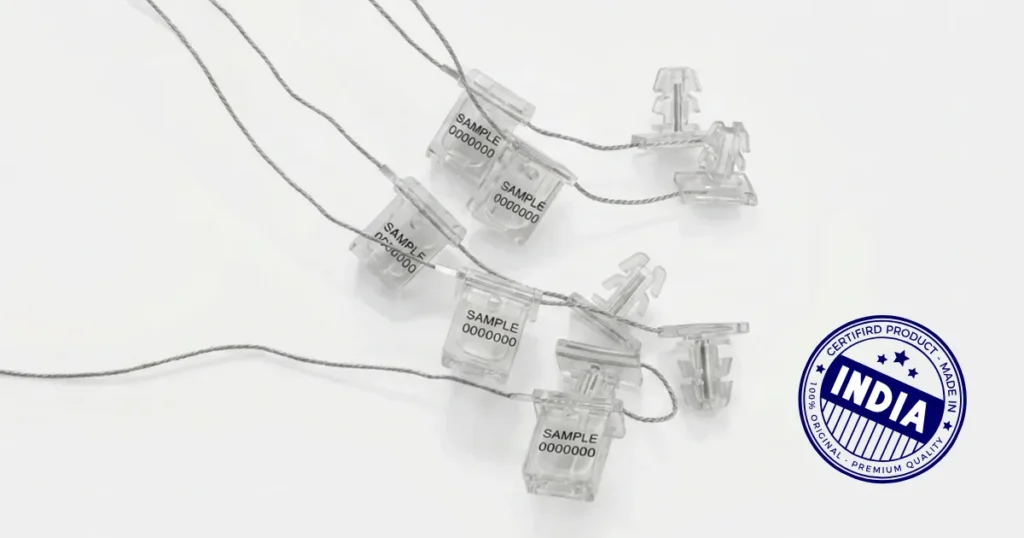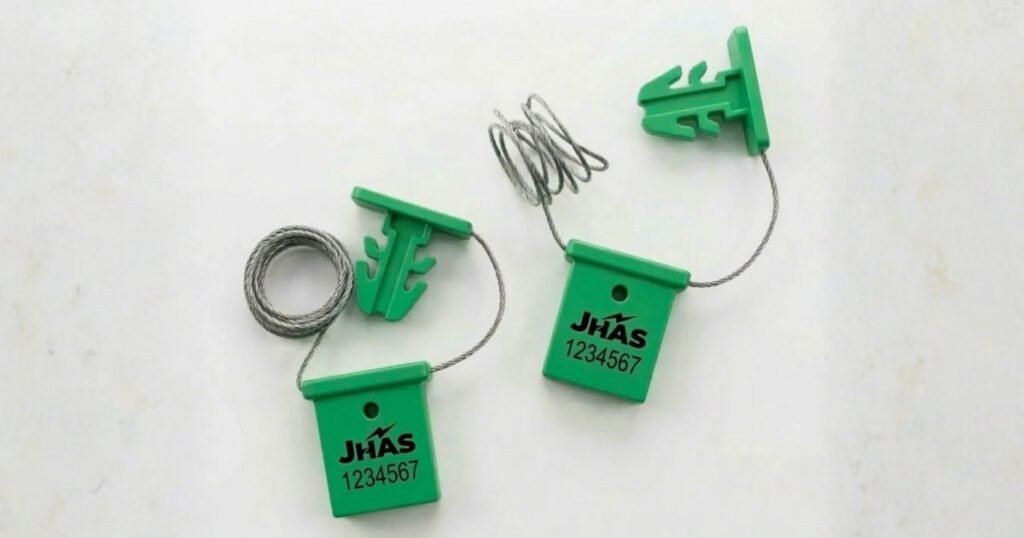
A tanker carrying fuel, milk or chemicals is a moving storage tank with several doors. The top manhole covers, the bottom outlet valves, the dip rod openings and sometimes a cabinet for meters or hoses. Each of these is a point where product can be drawn off, diluted or contaminated on the way. Tanker seals close every one of those points with a numbered, tamper evident lock, so the receiving end knows whether the load arrived untouched.
Where each seal goes
A typical tanker sealing plan covers the manhole lids on top, every outlet valve at the bottom, the dip or sampling points, and any cabinet holding meters or hoses. Missing one valve is enough for a driver or a third party to remove product without touching the others. That is why many transporters keep a printed diagram of each tanker type with every seal point marked.
Choosing seals for each point
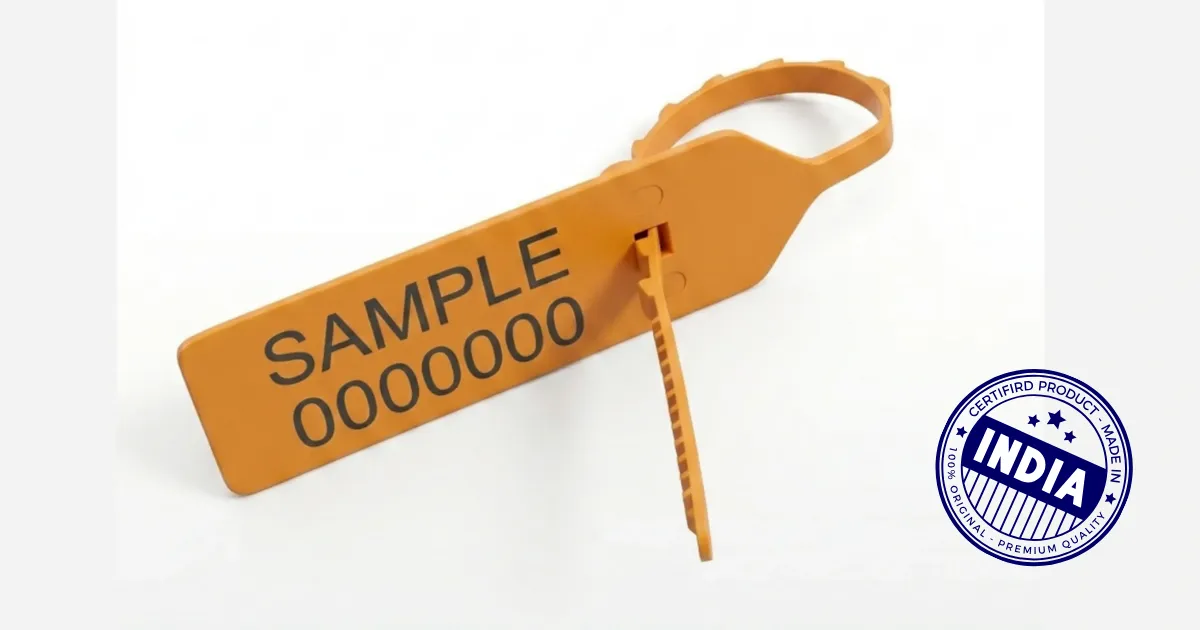
Manhole latches often take plastic pull tight seals or padlock seals, which are quick to apply and easy to inspect from the top platform. Bottom valves are better served by cable seals or wire seals that can loop through the valve handle and body, so the valve cannot turn without cutting the seal. For high-value fuel, many companies use metal cable seals because they need a tool to remove and resist casual cutting.
For milk tanker seals, hygiene matters too. Seals should be clean, food-safe plastic where they may come near the product, and colours are often used to show which shift or route sealed the tanker.
Numbers, records and the handover
The seal numbers should be written on the dispatch document at the loading point, preferably by someone other than the driver. At the receiving end, the numbers on the tanker are checked against the document before any seal is cut. If even one number does not match, the load is set aside for checking. This simple handover is what makes the seal meaningful. Without the record, it is just a plastic tie.
Why tanker pilferage is so hard to spot otherwise
Small quantities taken from many tankers add up quickly but are hard to detect from volume alone, especially for fuel where temperature changes the reading. Dilution of milk or chemicals may only show up in a lab test days later. Seals give you an immediate, visible answer at the gate, long before any lab result.
Getting drivers on board
Drivers sometimes see seals as a sign of distrust. It helps to explain that intact seals also protect them, since a clean seal record shows they delivered exactly what was loaded. Train drivers to check the seals at each stop and report any damage immediately, with a photo, rather than waiting until the destination.
Keeping stock and controlling issue
Unused seals are as valuable as cash in the wrong hands. Store them in a locked cabinet. Issue them in number order, record who took which range, and check that every number is either fitted, returned or recorded as damaged. A missing range of seals is a warning sign in itself.
Seals and the rest of your tanker security
Seals work best as one part of a wider system. GPS tracking shows where a tanker stopped and for how long. Calibrated dip rods and flow meters show quantity at each end. Approved routes and halting points reduce unplanned stops. When a seal discrepancy appears, these records help you find out quickly whether the stop at a roadside dhaba lasted ten minutes or two hours. On the other hand, GPS alone cannot tell you whether a valve was opened during that stop. A numbered seal on every valve can. Used together, the two give a transporter a clear picture of each trip and a strong position if a customer raises a shortage claim later.
Also read
Get in touch
Running a fleet of fuel, milk or chemical tankers? Jhas Industries makes plastic, cable and padlock seals with custom numbering for every valve and manhole. Visit E-49-50-51, Sector-1, Talanagri Industrial Area, Ramghat Road, Aligarh 202001, call +91-99192 30003 or email se******@**as.in.