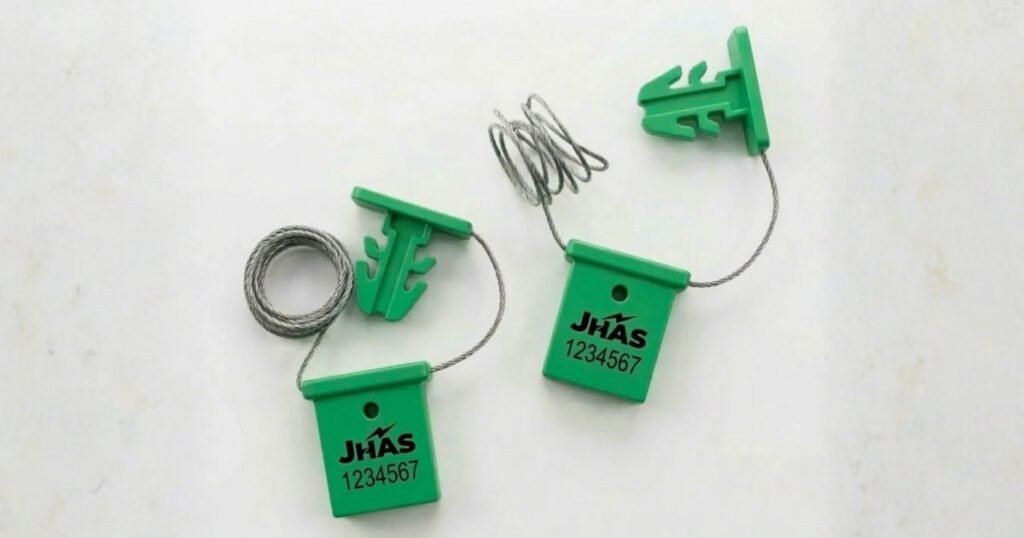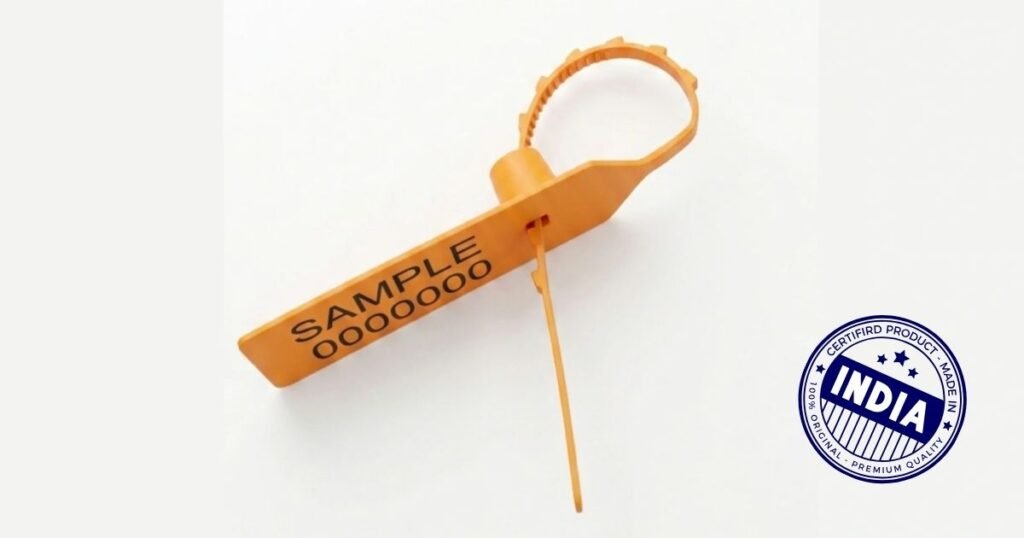
City gas networks have grown quickly across India, and with them the number of meters fitted on kitchens, shops and small factories. Every one of those meters has a few screws and a connection that, if opened, would let someone bypass the reading or interfere with the supply. Gas meter security seals are the simple, low-cost barrier that makes any such interference visible.
What the seal is protecting
A gas meter seal does two jobs. The first is commercial. It shows whether anyone has opened the meter housing or the inlet connection to alter readings. The second is safety. Unauthorised work on a gas line is dangerous, and a broken seal tells the utility that someone may have touched a pressurised fitting without the right training.
Because of that second role, gas utilities tend to be stricter about seals than many other industries, and they inspect them more often.
Seal types that suit gas meters
Most gas meter seals use a short length of wire passed through holes in the meter screws or union nut, with both ends locked in a seal body. Polycarbonate twist seals and rotary seals are common because they are transparent. An inspector can see the wire and the lock inside without removing anything. Plastic with wire seals are also widely used, and in some networks, lead seals pressed with sealing pliers are still in service.
For outdoor meters, the seal body must handle sunlight, rain and heat for years without cracking. Polycarbonate with UV resistance holds up well, which is one reason it is popular for utility work.
Why the wire matters as much as the seal
A strong seal with weak wire is a weak seal. Utilities usually specify galvanised or stainless steel sealing wire, sometimes twisted, with a set diameter. Galvanised wire resists rust in normal conditions, while stainless steel is preferred near the coast or in very damp areas. Ask your supplier for wire that cannot be untwisted and retwisted without visible damage, since that is a common trick.
Numbering and records
Each gas meter seal should carry a unique serial number, often with the utility's name or logo. When a technician fits a seal, the number goes into the meter record. At the next inspection, the number on the meter is compared with the record. A different number, or no number at all, is a clear sign of tampering.
Some networks also use colour coding, for example one colour for new connections and another for seals fitted after maintenance, so field staff can read the history of a meter at a glance.
What to specify when ordering
Write down the meter models and the hole diameter the wire must pass through. State the seal body material and colour, the wire type and length, the numbering format and whether you want a barcode. Specify the print, such as your utility name. Ask for a batch test report on locking strength. Order samples first and fit them on actual meters in the field before approving a large lot.
Training field staff
Even the best seal fails if it is fitted badly. Field technicians should be shown how to thread the wire tightly with no slack, lock the seal fully and record the number on the spot rather than later from memory. A short refresher at the start of each year saves many disputes during audits.
Common tampering tricks to watch for
Field teams across utilities report the same few tricks. Wire cut and joined again with a small twist hidden behind the meter. A seal carefully heated and reshaped so the wire slides out. A genuine seal replaced with a look-alike carrying a copied number. Each of these is easier to spot when seals use clear, laser-marked numbers, one-way locking that cannot be eased open, and wire that shows damage when bent back. Inspectors should look closely at the wire as well as the seal body, compare the colour with the expected batch, and check the number against the record every time, not just during special drives. Regular, unannounced checks in areas with high losses work better than yearly sweeps.
Also read
Get in touch
Need gas meter security seals with your utility's numbering and print? Contact Jhas Industries, E-49-50-51, Sector-1, Talanagri Industrial Area, Ramghat Road, Aligarh 202001. Call +91-99192 30003 or email se******@**as.in for samples.