The basic mechanical difference
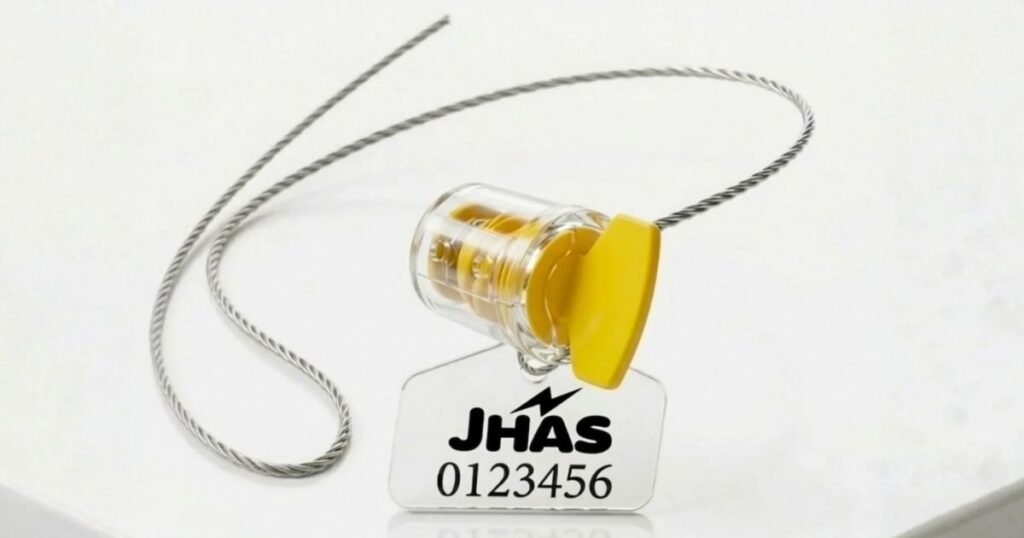
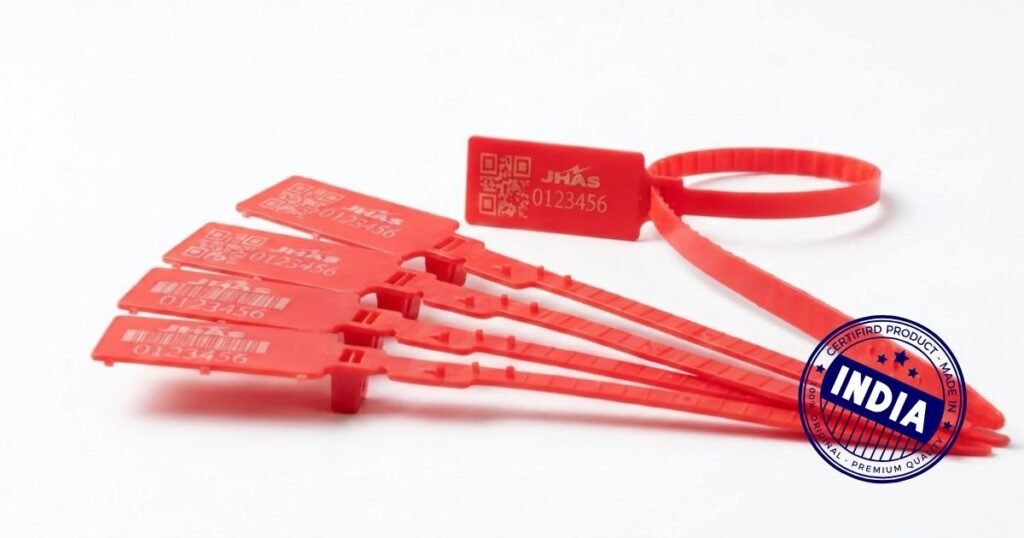
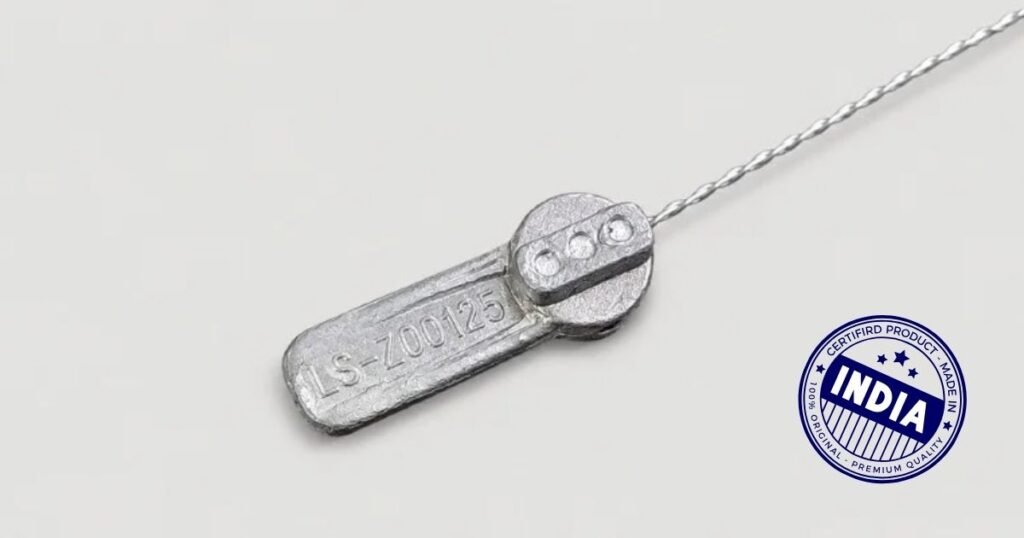
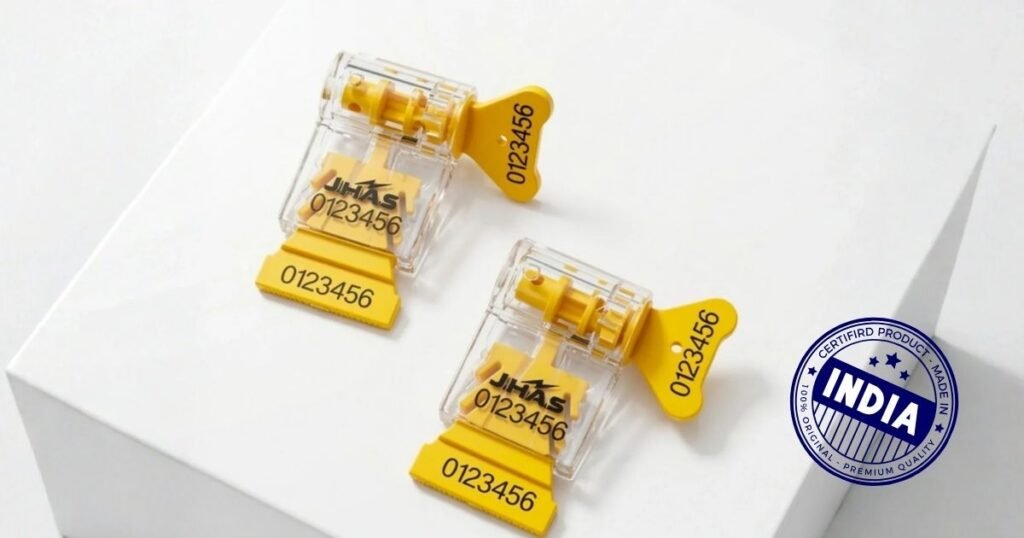
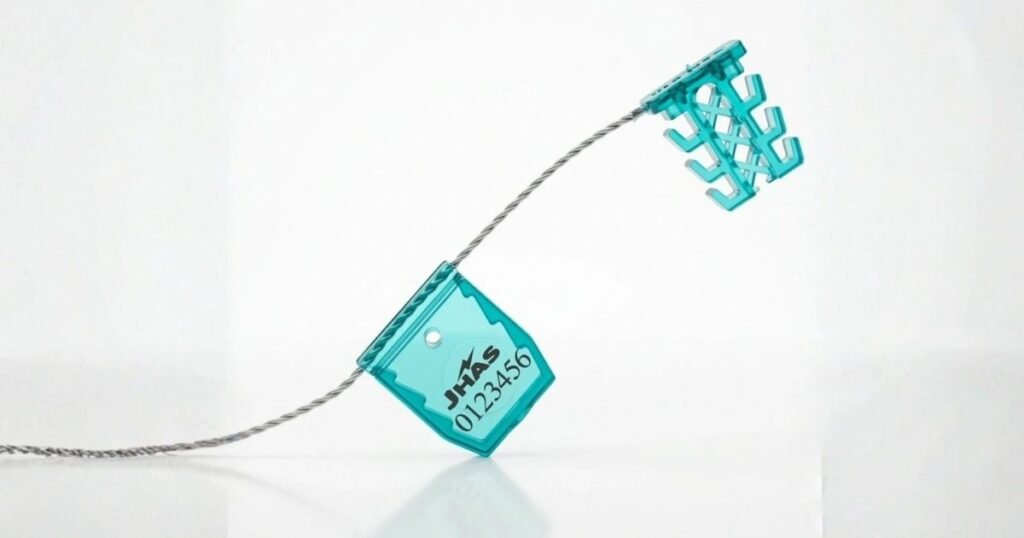
A meter seals threads a strand of galvanised steel, stainless steel, or copper through a hole in the meter cover and a fixed anchor point, then closes with a small crimped or twist-lock body over both ends of the wire. A plastic meter seal skips the separate wire entirely, using a molded strap or twist mechanism that threads directly through the meter’s own built-in mounting points and locks in place without any additional hardware. Both formats do the same fundamental job, showing whether the meter cover has been opened since the seal was applied. The difference is mostly in how they fit the specific meter design and how they hold up under field conditions. JHAS Industries
Where wire seals still make more sense
Older meter designs, and many industrial or three-phase installations, have sealing points that are further apart or oddly positioned, which a fixed plastic strap cannot always reach cleanly. A wire seal’s flexible length adapts to these gaps without needing a custom-molded part for every meter variant a utility has in the field, which matters for networks running equipment installed across several decades.
Wire also tends to hold up better in exposed outdoor installations subject to repeated temperature swings, since metal wire does not become brittle in cold weather the way some plastics can over time.
Where plastic seals have taken over
Newer residential meters are largely designed with plastic sealing in mind from the start, with mounting points spaced specifically for a standard twist-lock or pull-tight plastic seal. At the volumes a large distribution utility installs, plastic seals are faster to apply in the field, since there is no separate wire to thread and crimp, and they cost meaningfully less per unit, which adds up quickly across a metering base in the hundreds of thousands. Plastic seals also print more clearly for barcode and 2D code applications, since the flat moulded surface takes laser marking more consistently than a small crimped wire body does. Follow us JHAS Industries
Cost adds up differently than most buyers expect.
On a per-unit basis, the price gap between wire and meter seals often looks small enough to ignore, but installation time is where the real cost difference shows up across a large field program. A technician crimping a wire seal needs both hands, a crimping tool, and a few extra seconds per meter compared to snapping a plastic seal into its mounting points. Multiplied across a route of several hundred meters a day, that difference adds up to real labour cost over a year, which is one of the quieter reasons plastic has become the default for large-scale residential rollouts even where wire would technically still work. JHAS Industries
A practical way to decide
The honest answer for most utilities is that the choice follows the installed meter base rather than a general preference. A network still running a substantial share of older meter models usually keeps wire seals in stock for those installations while defaulting to plastic for new meter rollouts. Mixing both is common and not a sign of an inconsistent program, so long as the field team knows which format applies to which meter generation and the inventory system tracks both correctly.
Questions to settle before standardizing
– What share of your installed meter base actually requires the wire format’s flexibility? – Does your field team’s training and tooling support both formats without confusion? – Do your barcode and numbering requirements favour the flatter plastic surface? – Will the seal sit outdoors year-round, and if so, which material has performed better in your climate historically? Follow us JHAS Industries