What a padlock is actually designed to do
A padlock is designed to prevent access, keeping something closed until someone with the correct key or combination opens it. It does not inherently tell you whether someone attempted unauthorized access, only whether the lock itself was defeated. JHAS
What a tamper-evident seal is actually designed to do
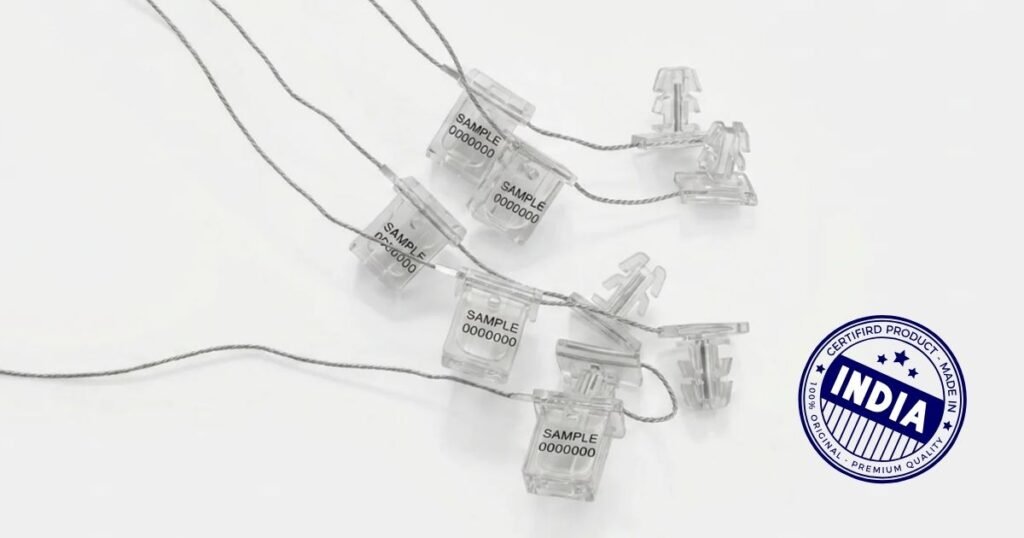
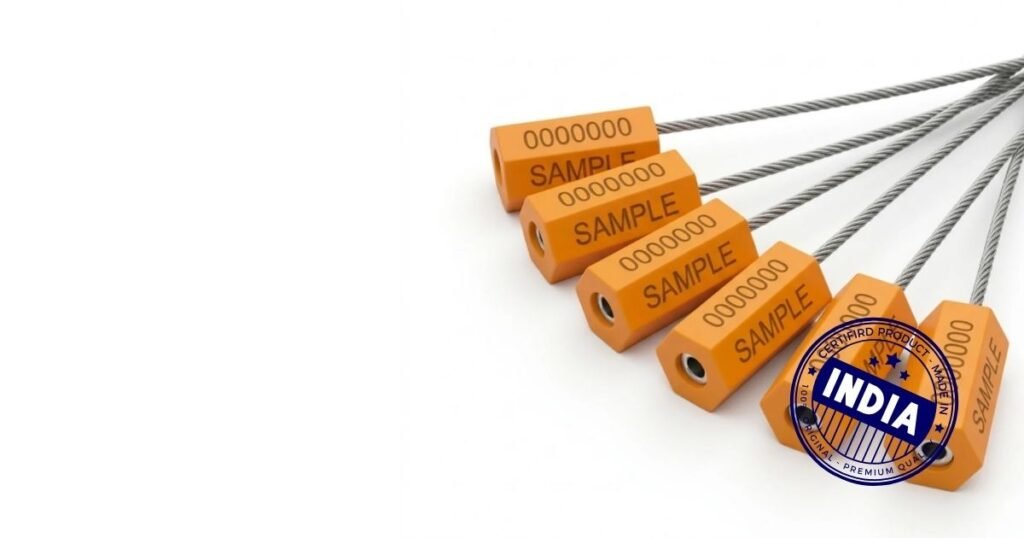
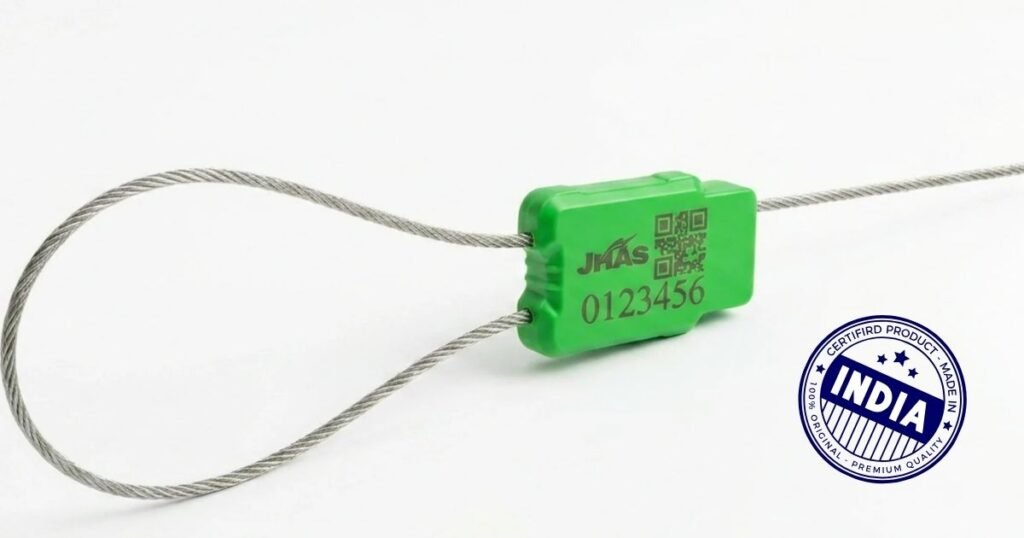
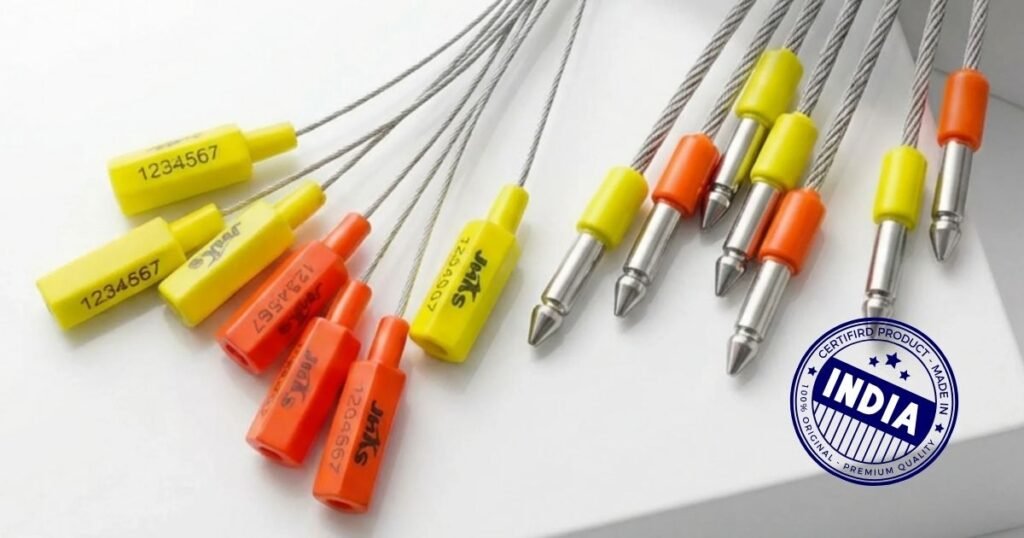
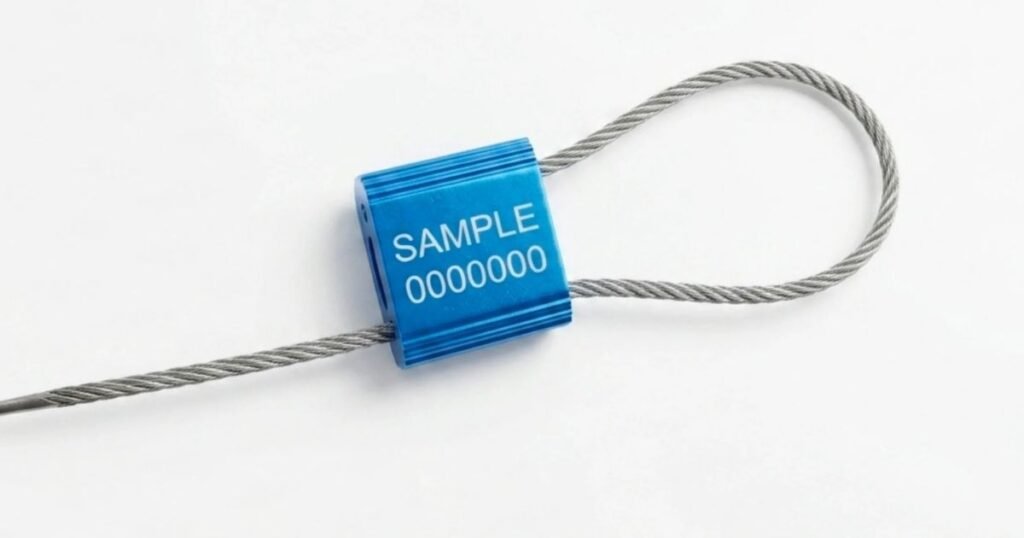
A Wire Rope Cable Seals is not designed primarily to prevent access at all costs. It is designed to make any access attempt immediately and unmistakably visible, which is a genuinely different security function than a padlock provides.
Why key management becomes a real operational burden
Padlocks require managing physical keys or combinations across every site and shift, and lost keys, shared combinations, or key duplication all introduce security gaps that a keyless wire rope cable seal simply does not carry. Follow us, JHAS
Why single-use design supports better accountability
A Wire Rope Cable Seals is applied once and cannot be reused without visible evidence of tampering, meaning every application creates a fresh, traceable record tied to a specific serial number, something a reusable padlock cannot offer.
Where padlocks still make sense
This is not an argument that padlocks have no place. Situations genuinely requiring repeated authorized access, like a secured room accessed daily, still call for a padlock or similar reusable lock rather than a single-use seal.
Why many businesses use both together
Some operations combine a padlock for access control with a wire rope cable seal for tamper evidence, using each tool for the specific function it does best rather than treating them as interchangeable options. JHAS