The basic mechanism explained
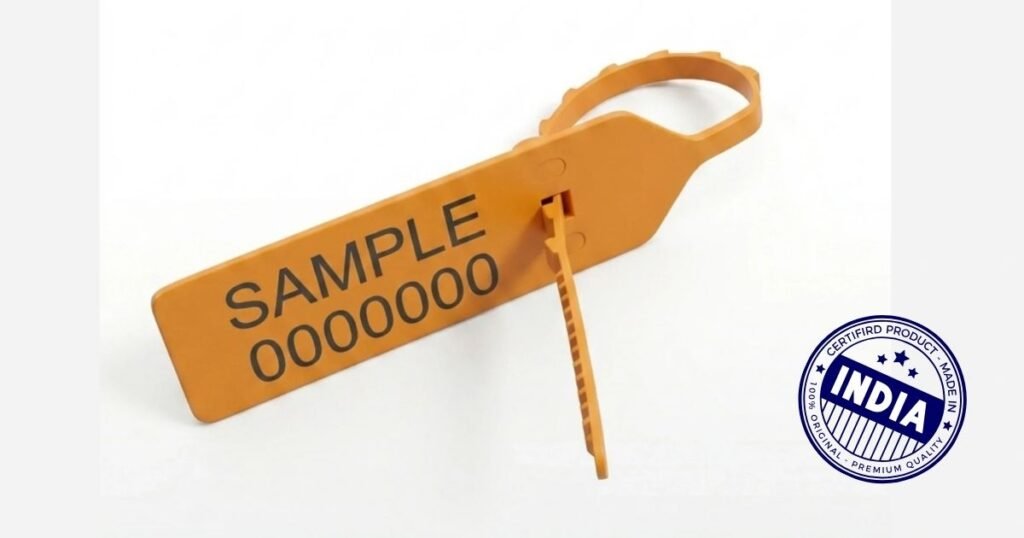
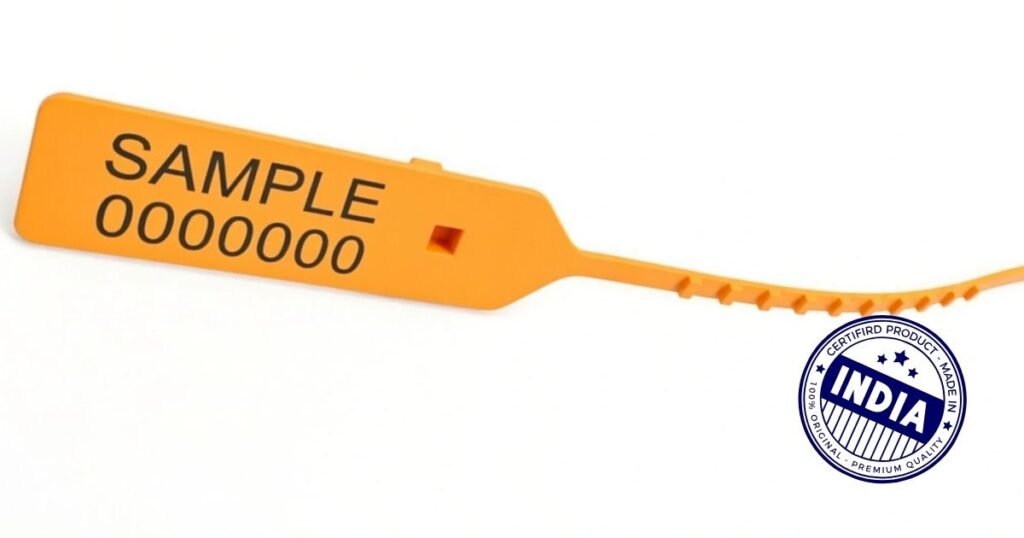
A pull tight strip seals consists of a flat plastic strip with a ratcheting head at one end. The free end threads through the head and, once pulled tight, locks in place through a one-way ratchet mechanism that cannot be loosened or reopened without visibly breaking the strip. JHAS
Why the strip design suits certain applications
The flat, lightweight strip design makes this seal type well suited to closures that do not need the cutting resistance of a metal cable seal, courier bags, small boxes, cash bags, and similar lower-risk applications where evidence of tampering matters more than resistance to a determined attacker.
How tamper evidence works with this seal type
Once locked, a pull tight strip seals cannot be reopened without cutting or visibly breaking the strip, so any attempt to access the sealed item leaves clear, unmistakable evidence, the same core principle behind every seal type JHAS Industries manufactures.
Common sizes and load considerations
Pull tight strip seals come in different lengths and strip widths depending on the application, and choosing the right size means matching the seal to both the closure point’s dimensions and the general handling conditions it will face.
Where this seal type fits among Jhas Industries’ broader range
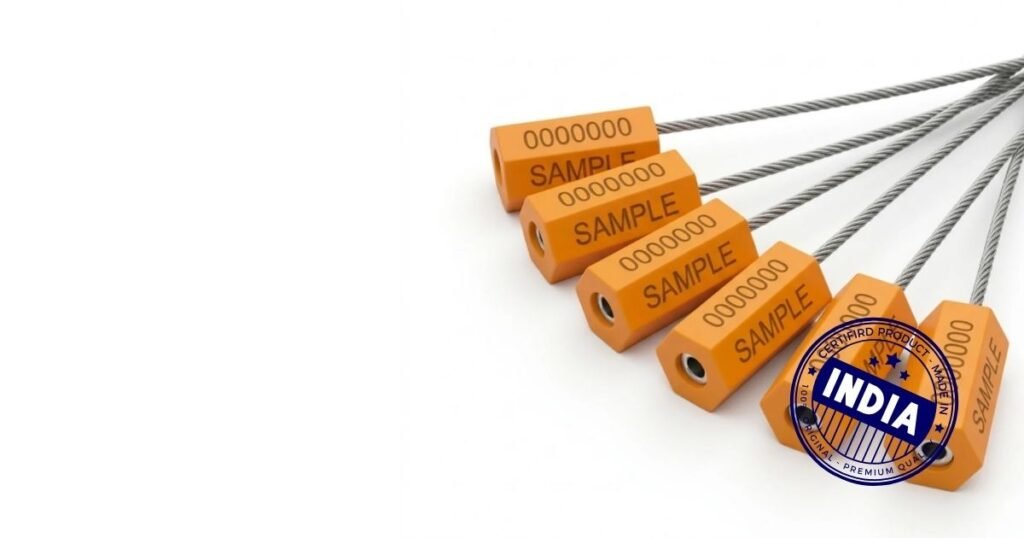
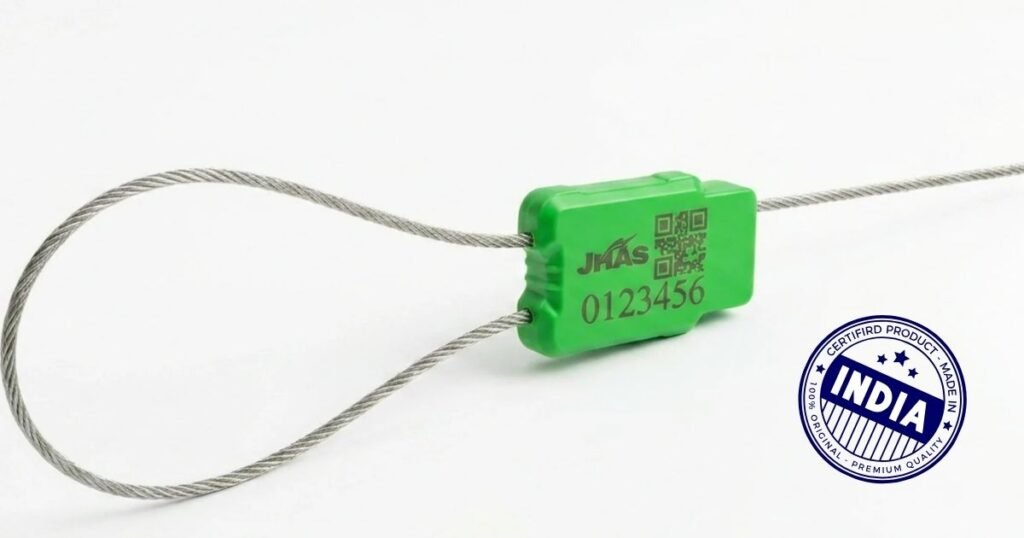
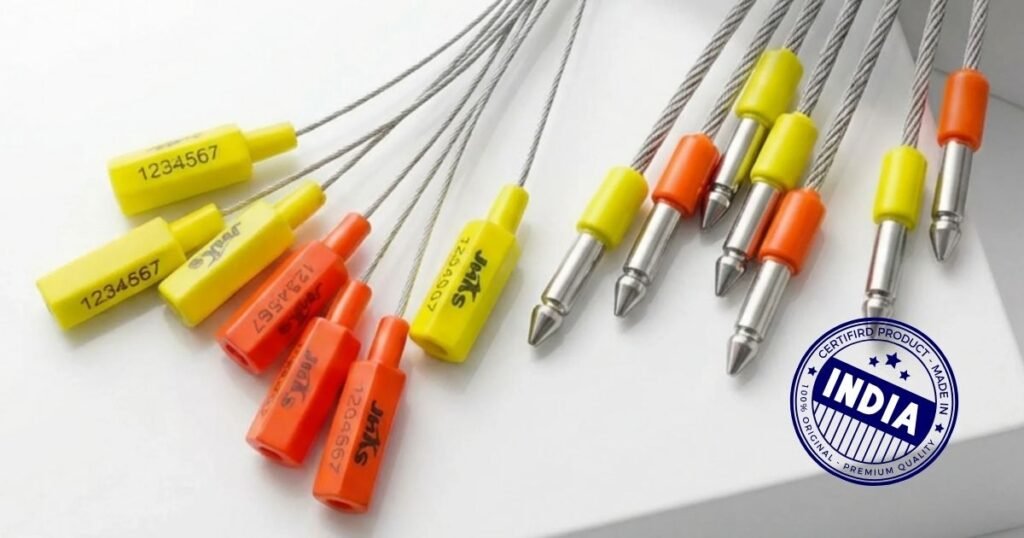
Alongside heavier-duty options like metal wire rope cable seals and container bolt seals, pull tight strip seals give JHAS Industries customers a lighter, more economical option for applications where a metal seal would be unnecessary.
Choosing between strip seals and other pull-tight formats
Buyers should understand that pull tight strip seals differ from plastic pull-tight seals with a rounder strap profile, and choosing the right format depends on the specific closure point and application involved. JHAS