Consistency across large production runs
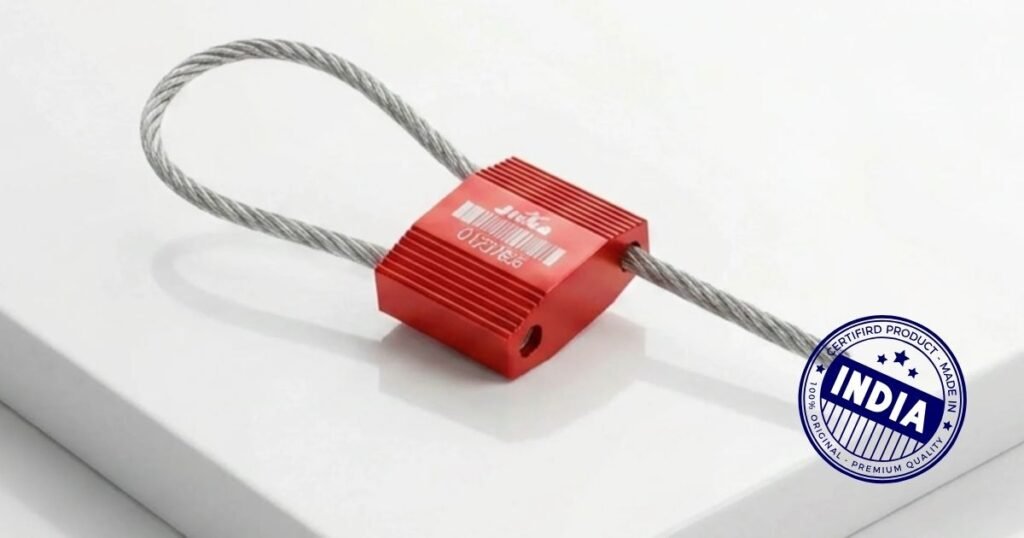
An export quality seal needs to perform identically whether it’s unit one or unit one hundred thousand in an order, since international buyers, often government departments or large utilities, can’t tolerate batch-to-batch variation. JHAS Industries
Material grade suited to varied climates
Seals shipped internationally face a wider range of climate conditions than domestic orders alone, meaning export-quality materials need tested resistance to humidity, UV exposure, and temperature swings across the destinations they’re sent to.
Certification that international buyers can verify
Export quality claims should be backed by recognized certifications, ISO 9001 for quality management and ISO 14001 for environmental management, that an overseas buyer can independently check rather than accept on faith. Follow us JHAS Industries
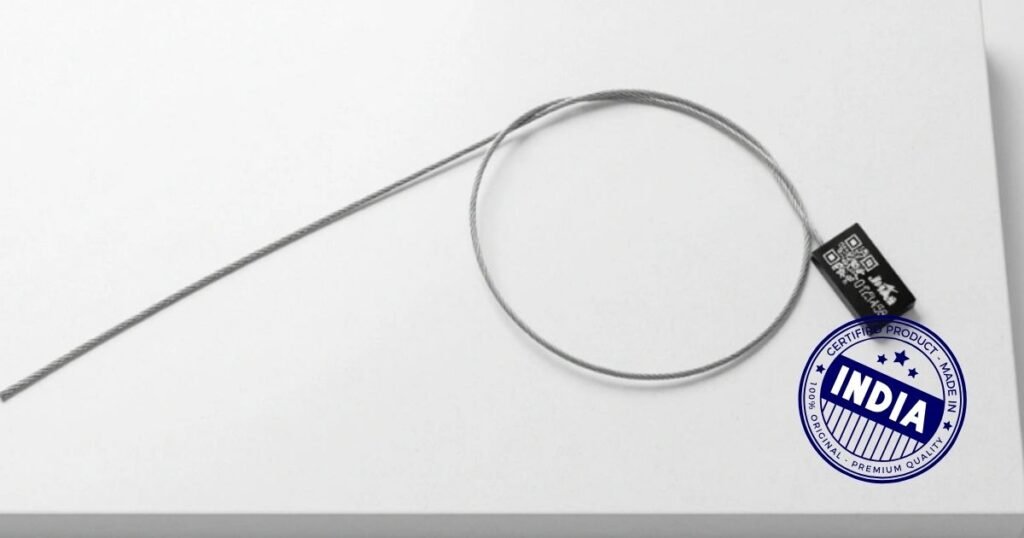
Packaging built for international transit
Export quality extends beyond the seal itself to how it’s packaged, since a shipment traveling by sea or air freight across weeks needs packaging that protects against moisture and handling damage in a way domestic shipping doesn’t always require. JHAS Industries
Documentation that meets customs and import requirements
A genuinely export-ready supplier provides the commercial invoices, certificates of origin, and compliance documentation international customs processes require, rather than leaving the buyer to chase down paperwork after the fact.
How to verify a supplier’s export quality claim
Ask for references from existing international clients, request certification documents directly, and where possible, order a sample batch before committing to a large international order.
Verifying the lock engages properly
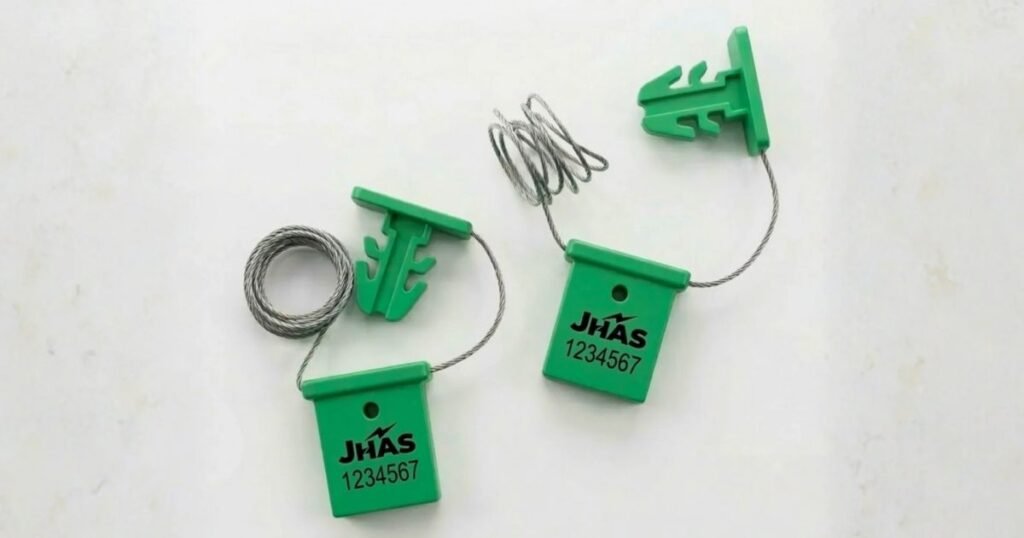
Where applicable, inspectors should confirm the locking mechanism is genuinely engaged and not merely appearing closed, since a seal that looks locked but is not properly seated provides no real security. JHAS
Documenting the inspection consistently
Recording each inspection, including the date, inspector, and condition observed, builds an audit trail that becomes valuable if a dispute or investigation arises later regarding cargo or equipment integrity.
Training staff to recognize tampering signs
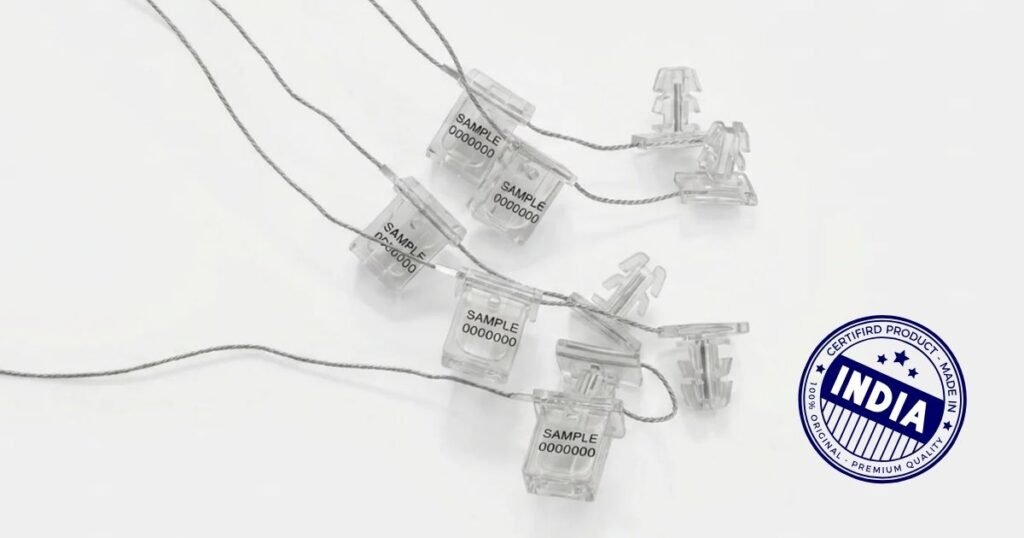
Inspection quality depends on staff actually knowing what tampering looks like, so periodic training on recognizing altered wire, damaged locking bodies, and mismatched serial numbers supports a more reliable inspection process overall. Follow us, JHAS