Tamper-evident, not tamper-proof
It is worth being precise about what wire rope cable seals actually promise. No seal is fully tamper-proof against a determined attacker with enough time and tools, but a well-made seal is genuinely tamper-evident, meaning any attempt to open it leaves unmistakable physical evidence that a simple visual check can catch. JHAS Industries
How the single-use mechanism creates evidence
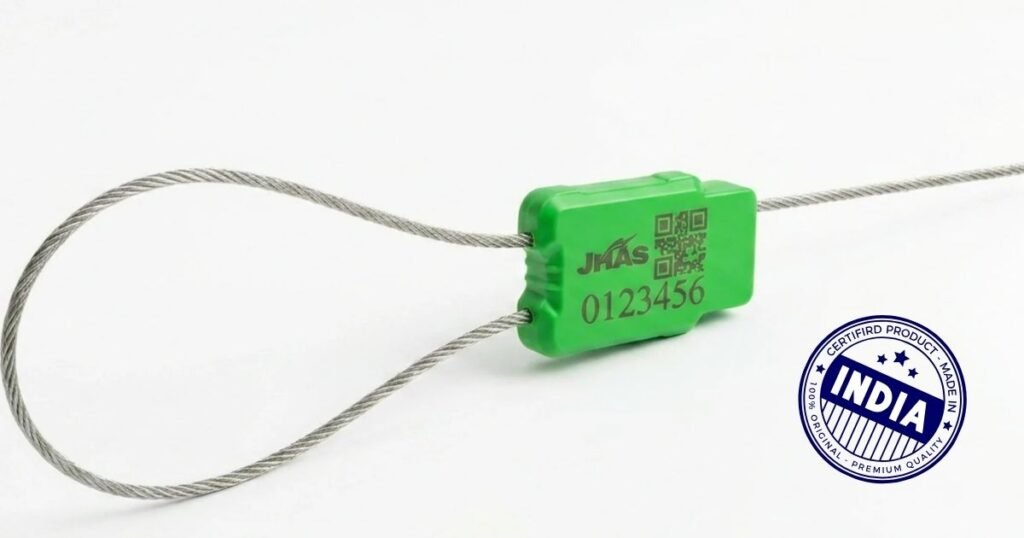
The push-fit locking mechanism used in most wire rope cable seals cannot be reopened and reclosed cleanly once engaged. Removing it requires cutting the cable, and that cut is immediately visible to anyone inspecting the seal at the next checkpoint. This single-use design is the core of what makes wire rope cable seals useful for compliance and chain-of-custody purposes, rather than just a general safety measure.
Serial numbers and traceability in compliance workflows
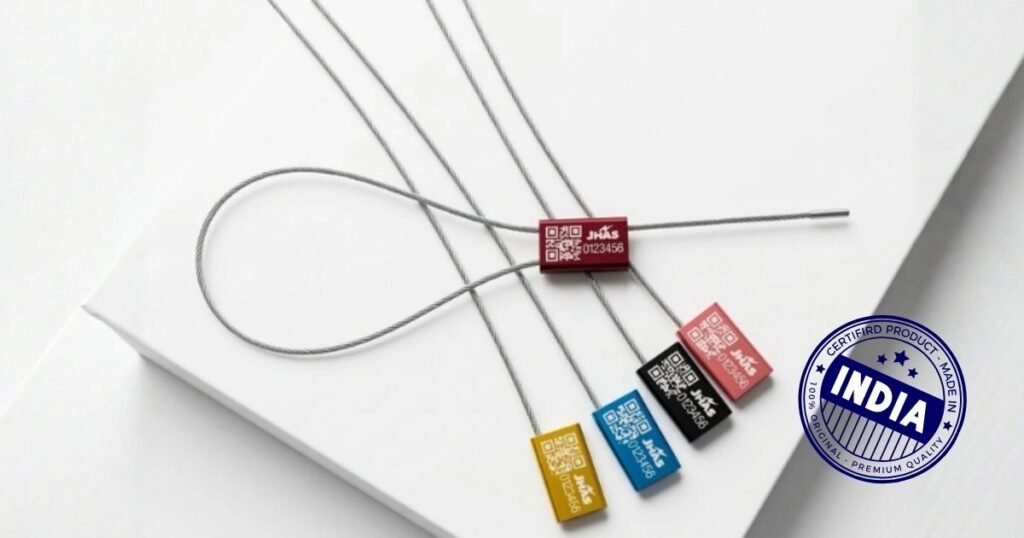
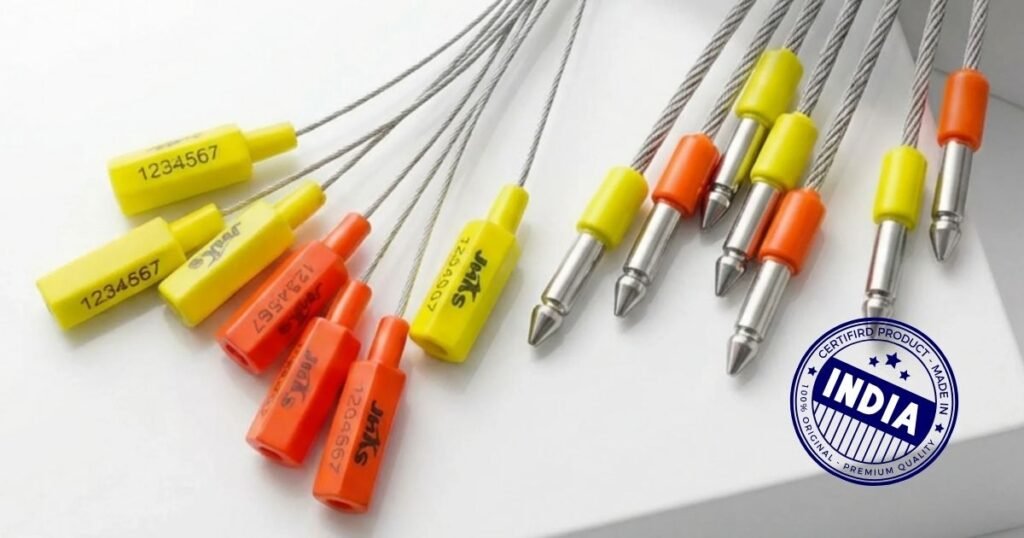
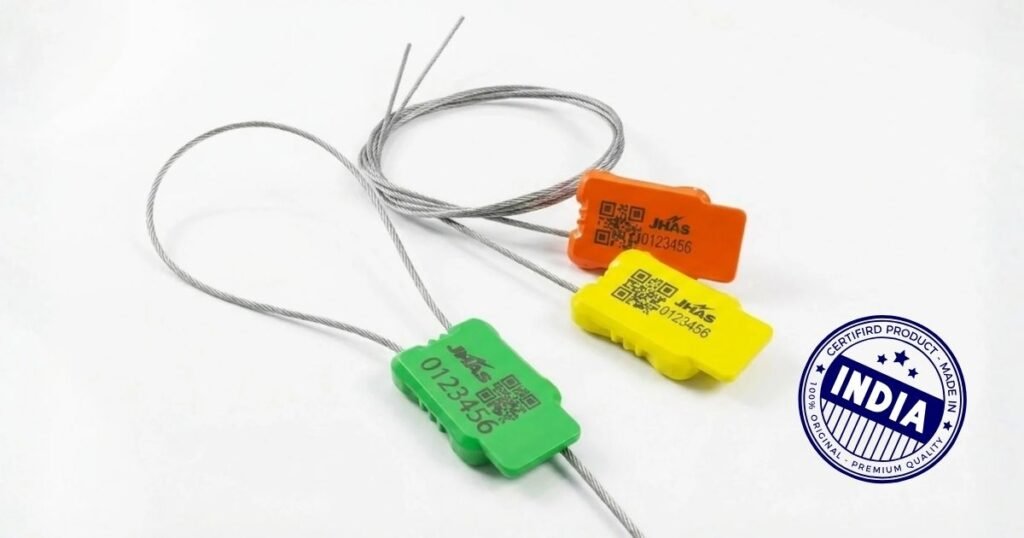
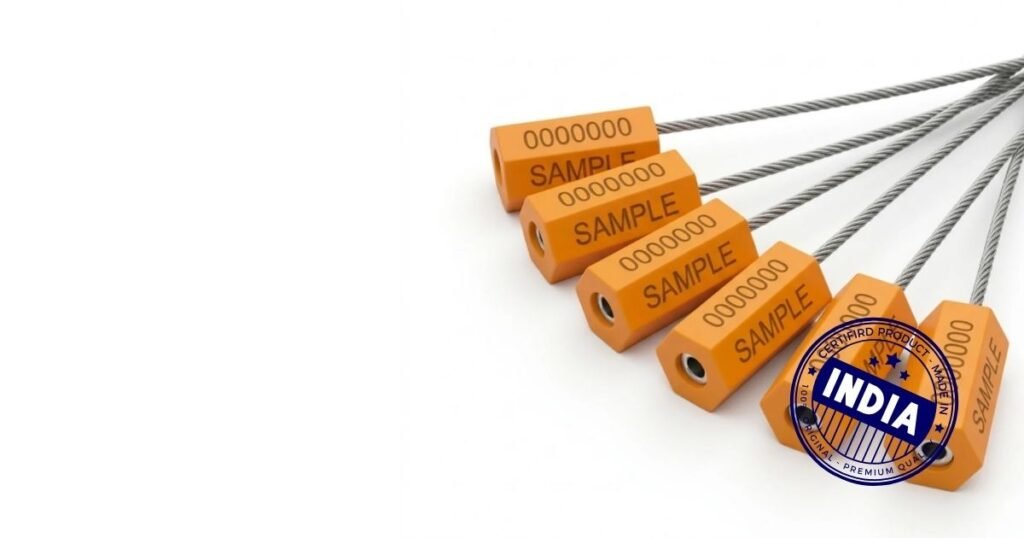
Sequential serial numbers, laser-marked logos, and 2D barcodes on each seal let logistics and compliance teams log exactly which seal was applied to which shipment and verify at each checkpoint that the number matches records and shows no signs of tampering. This traceability matters particularly in regulated industries, energy distribution, judicial evidence handling, and metering, where an unbroken chain-of-custody record carries real legal weight. Follow us JHAS Industries
Applications in regulated environments
Wire rope cable seals see particular use in sectors where regulatory compliance depends on demonstrable custody control, utility meter installations, forestry product transport, and court exhibit handling, among others. In each case, the seal’s serial number and physical integrity together form part of an auditable record that can be referenced if a dispute arises later. JHAS Industries
What buyers should verify for compliance-sensitive use
If your organization needs seals for a compliance-sensitive application, confirm that your supplier can provide consistent, sequential serial numbering, reliable barcode printing, and documentation supporting the manufacturing quality standards behind each batch. Seals sourced from a manufacturer with established quality certifications tend to hold up better under audit scrutiny than uncertified alternatives.
Why this distinction matters in practice
Understanding the tamper-evident, rather than tamper-proof, nature of these seals also shapes how an organization should design its overall security process. A seal is one layer in a broader chain-of-custody system, working alongside checkpoint logging and physical inspection, rather than a standalone guarantee, and treating it that way leads to more resilient security practices overall. Follow us JHAS Industries