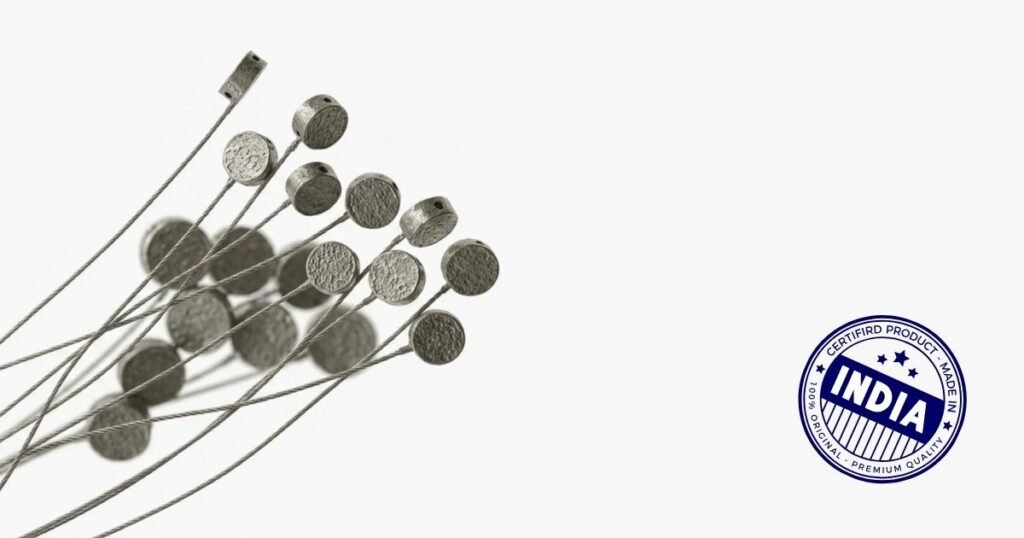
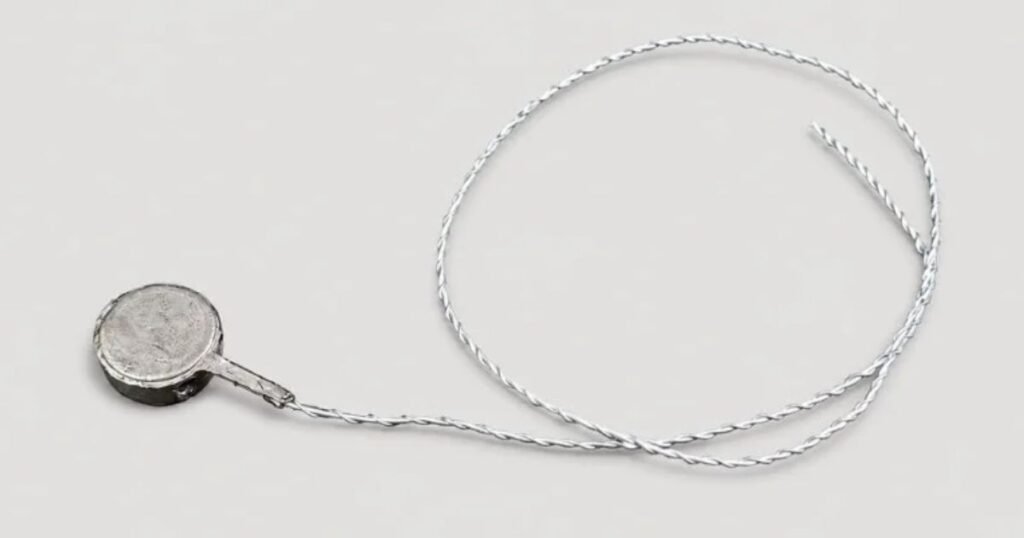
Lead is soft enough to deform permanently under light pressure, which is exactly why it became the material of choice for sealing goods hundreds of years ago. A wire or cord is passed through the item being sealed, then through a small lead pellet, and a pair of sealing pliers crimps the lead down around the wire while stamping a unique mark or number into the metal at the same time. Once crimped, the lead cannot be reshaped or reopened without visibly crushing or cutting it, and the embossed mark cannot be recreated without the original die.That combination, physical deformation plus a stamped identifier, is still hard to beat for certain applications even with modern plastic and RFID alternatives on the market. JHAS Industries
Where lead seals are still specified today
Judicial and government use is probably the largest single category in India. Courts, police departments, and forensic labs use lead seals on evidence bags and case files precisely because the crimping process cannot be faked with common tools, and any attempt at removal is unmistakable under inspection, which matters when a seal’s integrity might get challenged in court years later.Electricity boards and municipal utilities use lead seals on meters, switchgear, and distribution panels for similar reasons, often specifying a particular pellet size and stamped identification format as part of their procurement standard. Industrial use spans weighing scales, gas cylinders, valves, and drums, anywhere a regulator or downstream buyer needs proof that a calibrated or filled item has not been opened since it left the facility.
Round, square, and what the shape actually signals
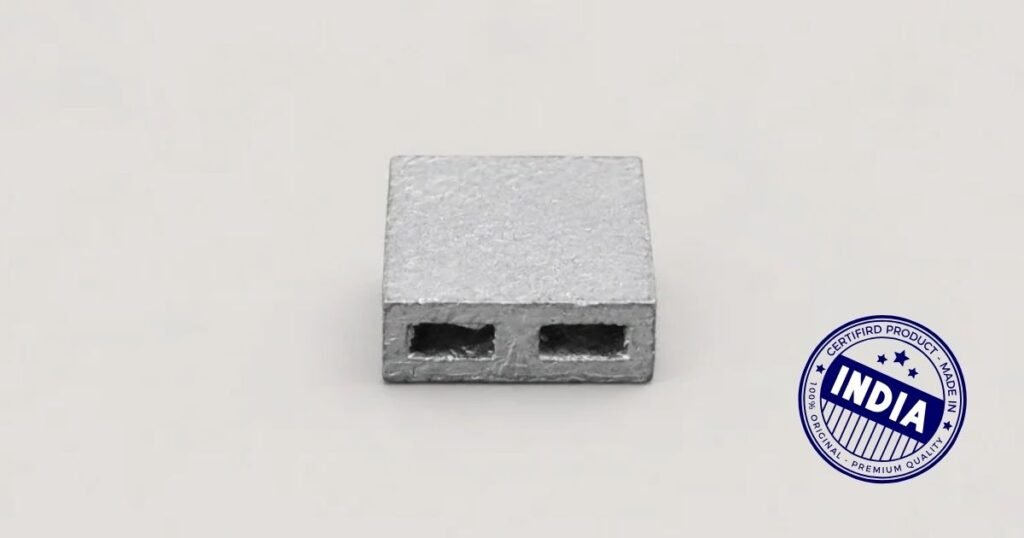
Lead seals commonly come as round or square pellets, in sizes from around 8mm up to 20mm depending on the wire gauge and application. The shape itself carries no functional difference, it is almost always a matter of what a particular department, utility, or export contract has specified as their standard for identification purposes. What does matter is the die used to stamp the seal, since a worn or generic die is easier to imitate than one cut specifically for a single client’s mark. Follow us JHAS Industries
Lead seals versus plastic and wire alternatives
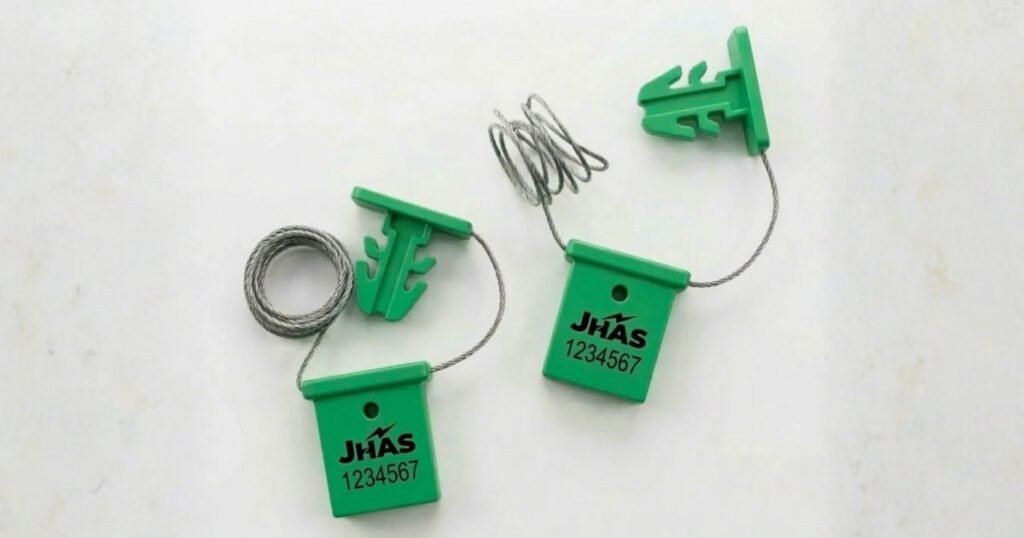
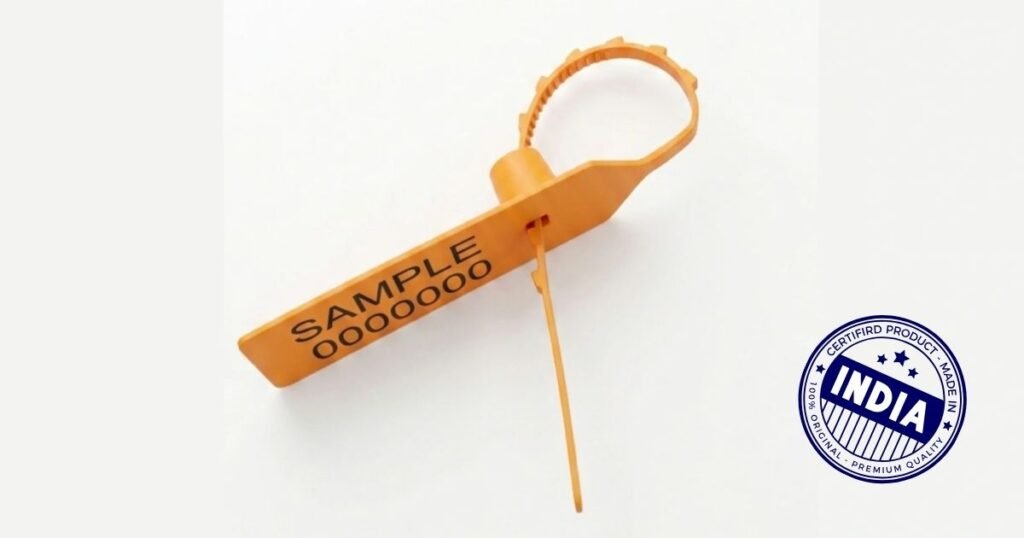
Plastic pull-tight and wire seals cost less per unit, install faster, and work fine for most commercial logistics, which is why they have taken over a large share of the market lead seals used to hold entirely. Lead still wins where a stamped, legally defensible mark matters more than speed, or where a specific regulatory or judicial standard requires it by name. It is worth checking your own compliance documentation before switching formats purely to cut cost, since some government and utility contracts still name lead seals specifically rather than leaving the material open. JHAS Industries
What good crimping actually requires
The process sounds simple: thread a wire, drop a pellet on, and squeeze the pliers, but the result varies a lot based on equipment and technique. Pliers with a worn or misaligned die leave a shallow or uneven stamp that is hard to read and easier to dispute later. Pellets that are too soft for the wire gauge can slip slightly under pressure, leaving a crimp that looks secure but pulls loose with moderate force. A technician trained on the specific pliers and pellet combination being used produces a seal that is uniform, legible, and resistant to the kind of tampering the format is meant to catch in the first place, which is why buyers sourcing lead seals often ask their supplier about die quality and pellet hardness rather than treating one lead seal as interchangeable with another.
Handling and storage notes
Lead pellets should be stored away from direct sunlight and extreme heat, since prolonged exposure can soften the metal enough to affect crimp quality. Sealing pliers need periodic inspection too, a worn or damaged die produces an unclear stamp, which defeats the entire purpose of using lead in the first place.