Why serial numbers exist in the first place
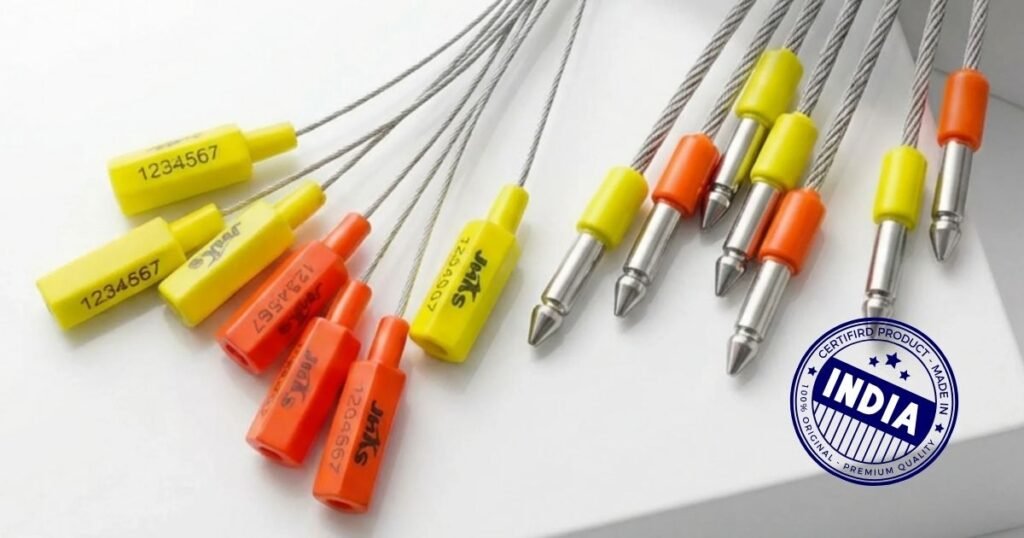
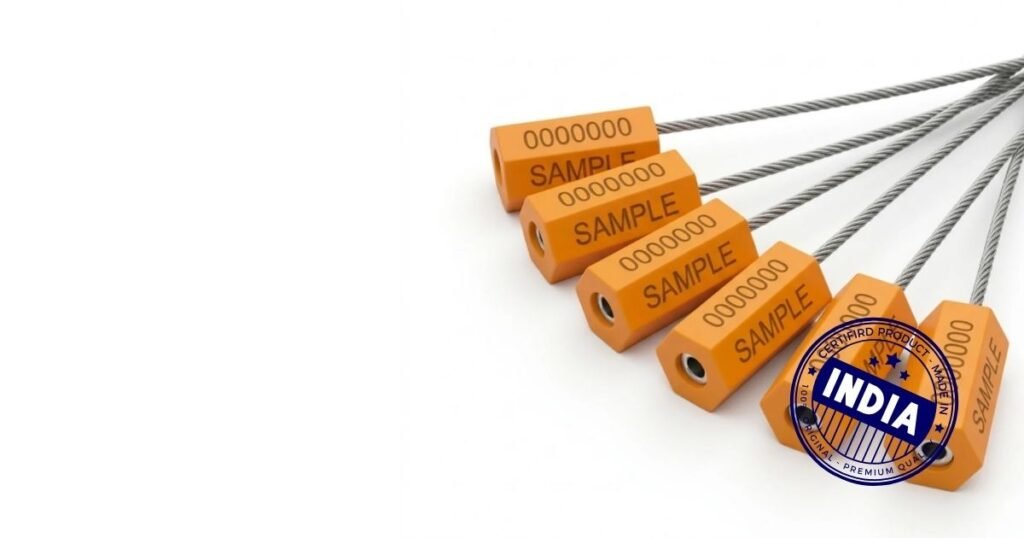
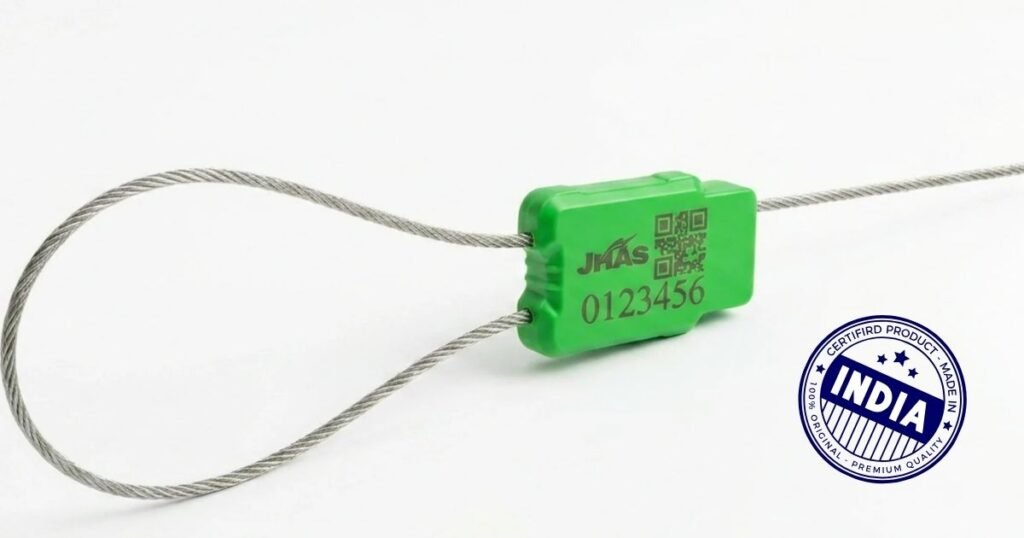
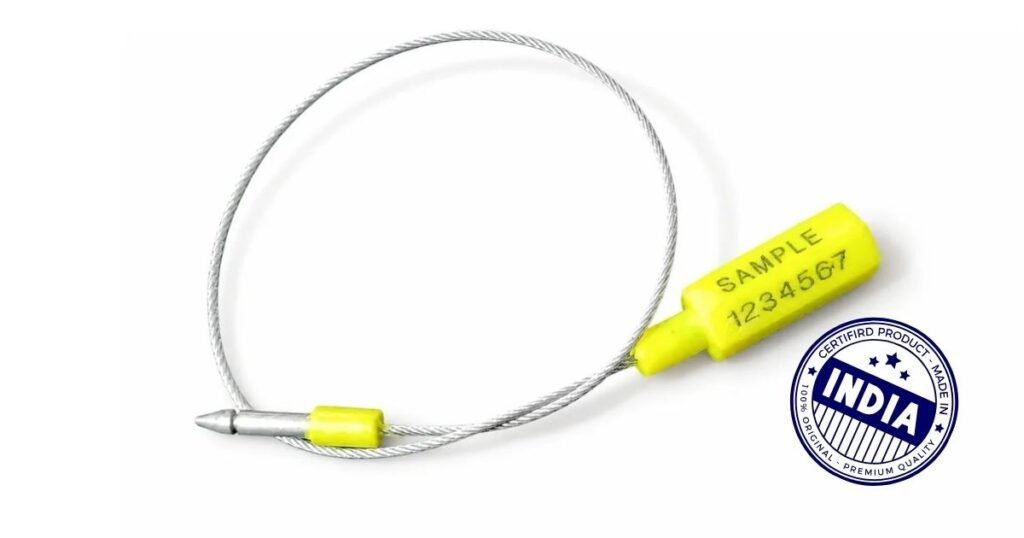
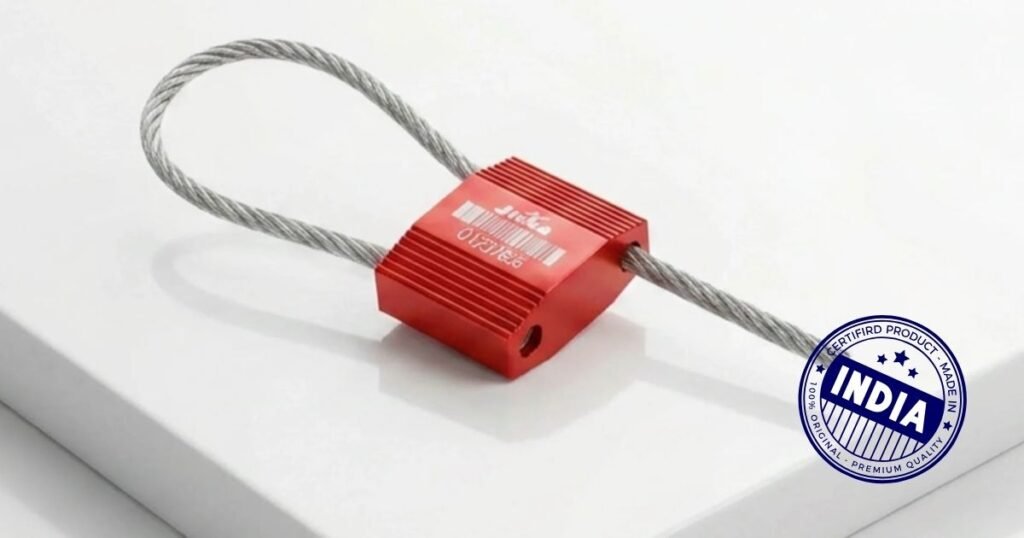
Each cable seal carries a unique number specifically so that its application and later verification can be tied to a specific, documented instance, rather than relying on visual inspection of an otherwise generic-looking seal alone. JHAS
Setting up a consistent logging process at application
Establishing exactly who records the serial number, at what point in the process, and in what format, whether a paper log, spreadsheet, or dedicated software system, is the foundation any effective cable seal program needs.
Verifying against records at the receiving end
The recordkeeping system only delivers value if someone actually checks the serial number against the log when the sealed item arrives, confirming the number matches rather than treating verification as an optional formality. Follow us JHAS
Retaining records for an appropriate period
Different industries and compliance requirements call for different record retention periods, and establishing how long serial number records need to be kept, and in what accessible format, supports audit readiness if a dispute arises later. JHAS
Integrating serial tracking with existing systems
For larger operations, integrating cable seal serial tracking with existing inventory, shipping, or compliance software reduces manual duplication and supports more reliable, centralized recordkeeping across the organization.
Why gaps in this system undermine the seal’s value
A cable seal applied without a corresponding record, or checked inconsistently at the receiving end, loses much of its practical security value, since the tamper-evidence benefit depends on someone actually comparing numbers. Follow us JHAS