Three formats, three different jobs
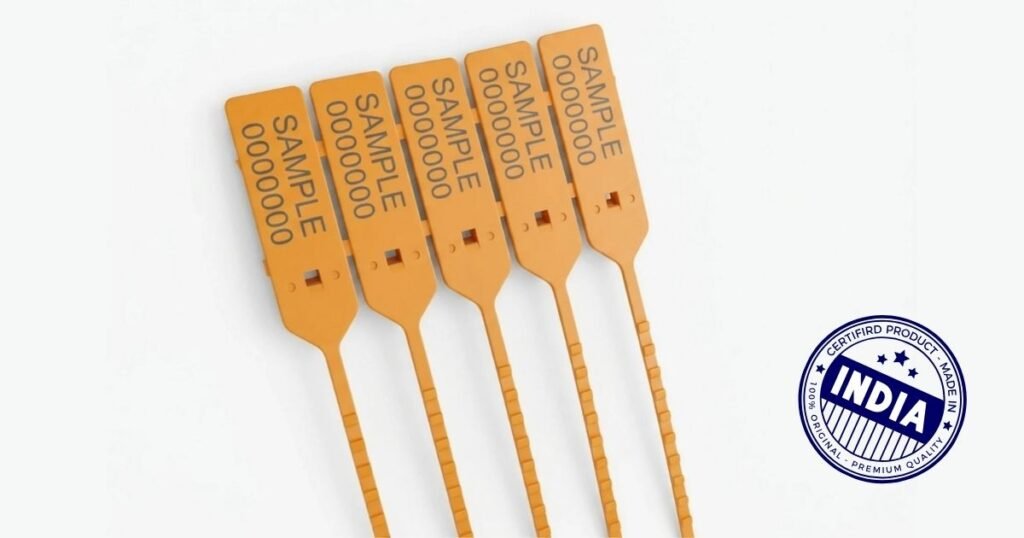
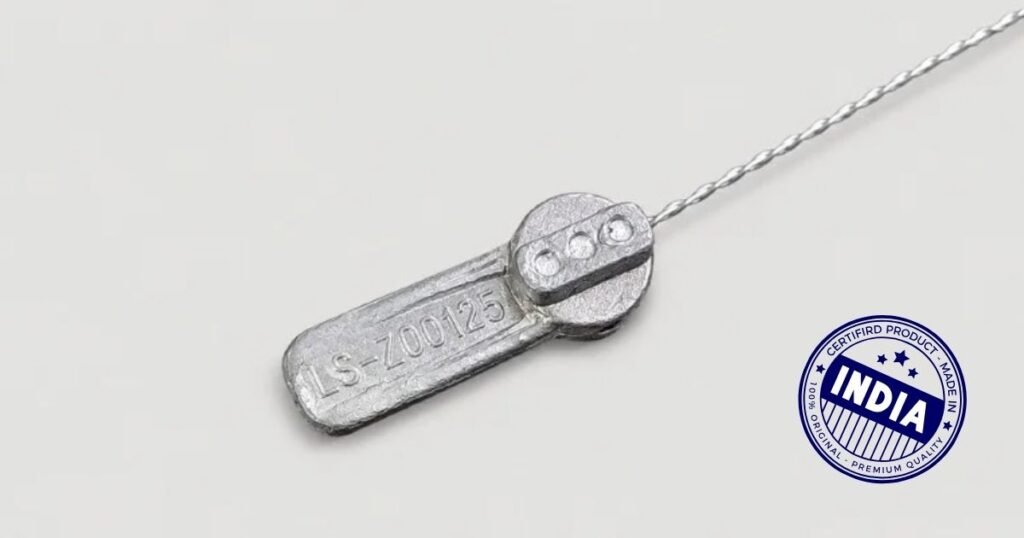
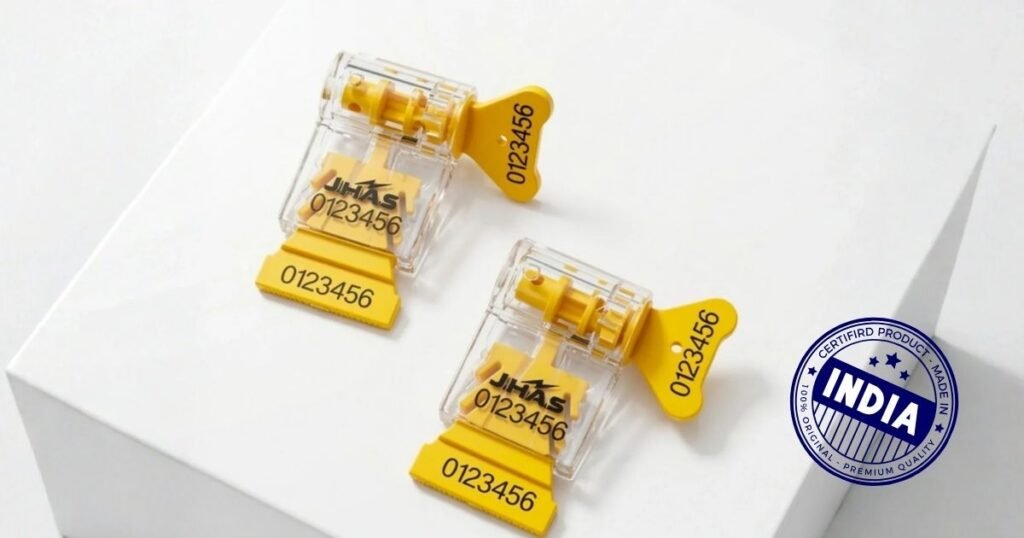
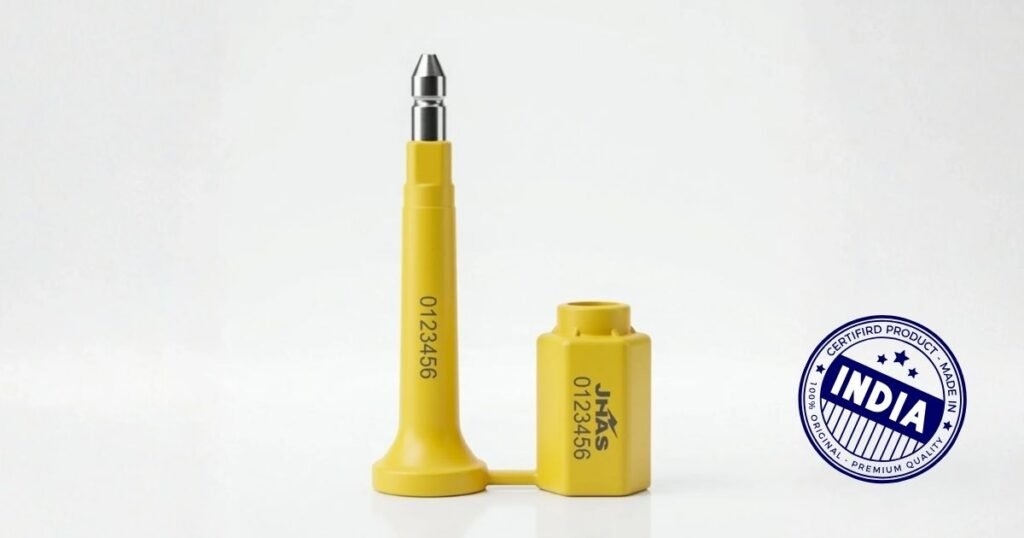
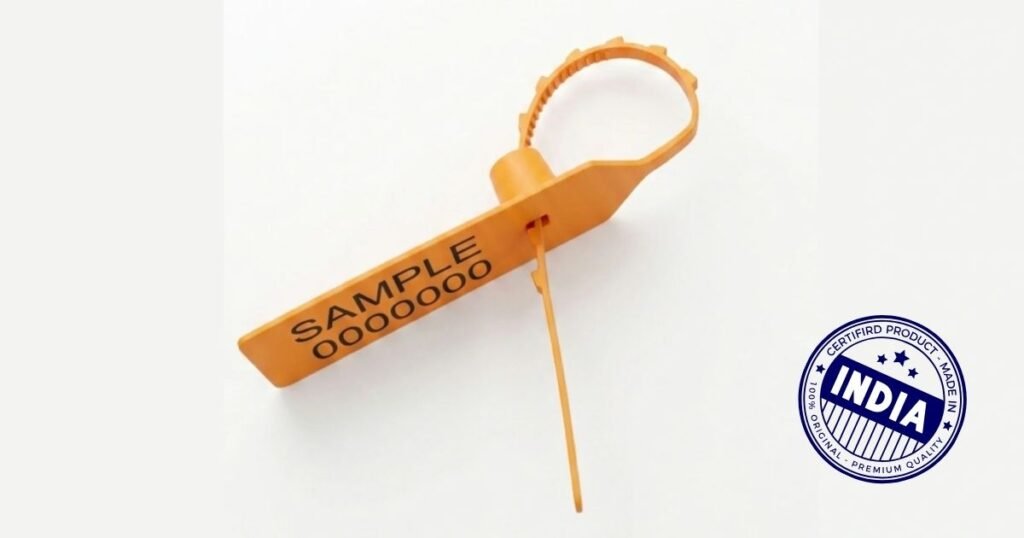
Plastic pull-tight seals, metal cable seals, and bolt seals often get compared as if they were competing for the same job, but they are usually solving different problems. A pull-tight seal’s whole purpose is fast, low-cost tamper evidence, not resistance to forced entry. A determined person with side cutters removes one in seconds, and the seal is not designed to stop that, only to make it obvious afterward. Cable and bolt seals, by contrast, are built specifically to resist that kind of forced entry, requiring a bolt cutter, hacksaw, or grinder, and leaving damage that takes real effort to disguise. Once that distinction is clear, the choice usually stops being about which seal is “better” and starts being about which risk you are actually managing. JHAS Industries
When plastic pull-tight is genuinely the right call
For internal warehouse totes, courier bags, cash boxes moving through controlled facilities, or fire extinguisher pins, the realistic threat is not a determined thief with tools; it is an employee or handler quietly opening something they shouldn’t and hoping nobody notices. A plastic pull-tight seal handles that scenario well, cheaply, and at a pace that matches high-volume operations. Upgrading every one of these applications to a bolt seal would add cost and installation time without meaningfully improving security, since the actual risk profile doesn’t call for resistance to cutting tools.
When cable or bolt seals earn their higher cost
Shipping container doors, trailer and rail wagon closures, and any load moving through public roads or unsupervised transit points face a different threat model entirely: a stranger with tools and unsupervised time. Here, a plastic seal’s speed of defeat becomes the actual problem, since anyone tampering with the load has every opportunity to cut and quietly discard the evidence before the shipment is checked. Cable and bolt seals close that gap by making tampering slow, visible, and hard to hide, which matches what international freight compliance standards like ISO 17712 actually expect for these applications Follow us JHAS Industries
Cost is part of this decision too, not just security.
It’s worth being upfront that cost is not a secondary consideration here; it is often the deciding one for operations sealing thousands of units a month. A plastic pull-tight seal can cost a fraction of a comparable bolt or cable seal per unit, and at high volumes that difference determines whether a sealing program is sustainable at all. This is exactly why matching the format to the actual risk matters so much; over-specifying bolt seals for low-risk internal applications doesn’t just waste money, it can also slow down high-volume operations that depend on fast, simple application. JHAS Industries
The layered approach some operations use
It’s increasingly common to see both formats used together rather than treated as an either-or choice. A container might carry a compliant bolt seal on the door as the primary security measure, with individual pallets or cartons inside sealed with plastic pull-tight seals for internal tracking and tamper evidence at a more granular level. This layered approach means a breach at the outer level is caught immediately, while inner-level tampering, which wouldn’t otherwise be visible until the container is unloaded, still leaves its own trail.
A simple way to decide which format fits
Ask what happens if someone gets ten unsupervised minutes with the sealed item. If a quiet cut-and-replace is a realistic risk, plastic alone is not enough. If the real risk is an authorized handler making an undocumented change inside a controlled environment, plastic’s speed and low cost usually make it the more sensible default. Follow us JHAS Industries