What a pull-tight seal actually does
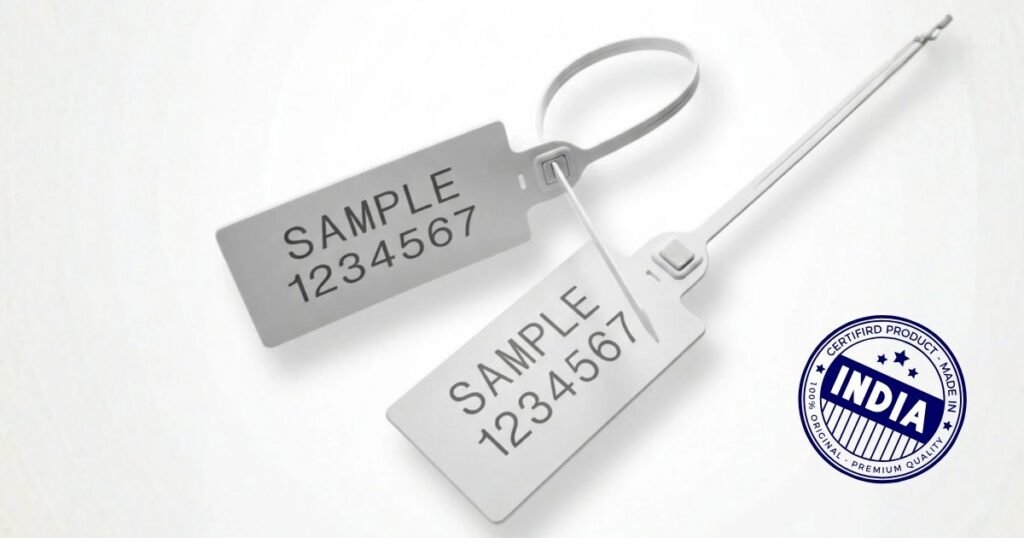
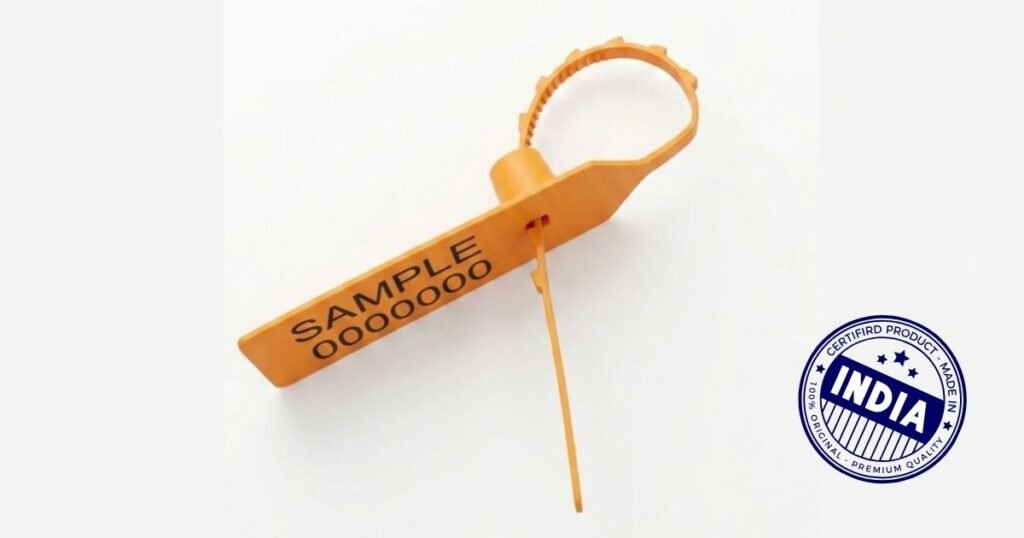
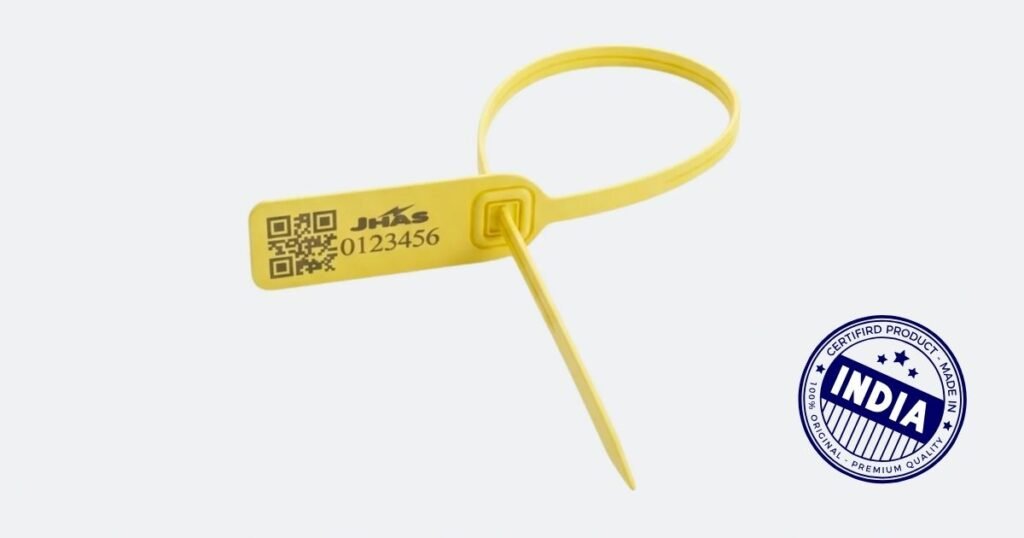
A plastic pull-tight seal is a one-piece strap that threads through a zip, latch, or handle and locks into itself once it is pulled snug. There is no key, no combination, and nothing to lose on the factory floor. The strap has a row of ratchet teeth along its length, so it can be tightened to whatever gap the application needs, from a thin courier bag zip to a wide tanker valve. Once it clicks shut, the only way through is to cut it, and cutting it leaves a mark that cannot be hidden or reversed. That single fact, that the seal cannot be quietly reopened, is the whole reason these seals exist. They are not meant to stop a determined thief with bolt cutters. They are meant to make it obvious, instantly, whether a bag, drum, or vehicle has been opened since it left the warehouse. JHAS Industries
Where plastic pull-tight seals actually get used
Ask five different industries what they use pull-tight seals for and you will get five different answers, which is part of why the format has stuck around for decades.Courier and postal companies use them on mail bags and parcel cages, where the seal number gets logged against a manifest at both ends of the route. Banks and cash-in-transit firms rely on them for coin boxes and cash bags, where a broken seal on arrival triggers an immediate audit rather than a shrug. Food and pharma warehouses use them on totes and roll cages moving between cold storage and dispatch, since a missing seal is faster to spot than a missing item on a checklist. Even fire safety teams put a small pull-tight seal through the pin of an extinguisher, so an inspector can tell at a glance whether it has been discharged since the last check.The common thread is not the industry. It is the moment a container changes hands, and someone downstream needs proof that nothing happened in between.
Adjustable length is the underrated feature
Most buyers focus on break strength first and length second, but for day-to-day operations, the adjustable ratchet is often what saves the most time. A single seal length can cover a tight bag zip and a loose tarpaulin flap without swapping product lines, which matters more than it sounds once a purchasing team is juggling a dozen SKUs already.
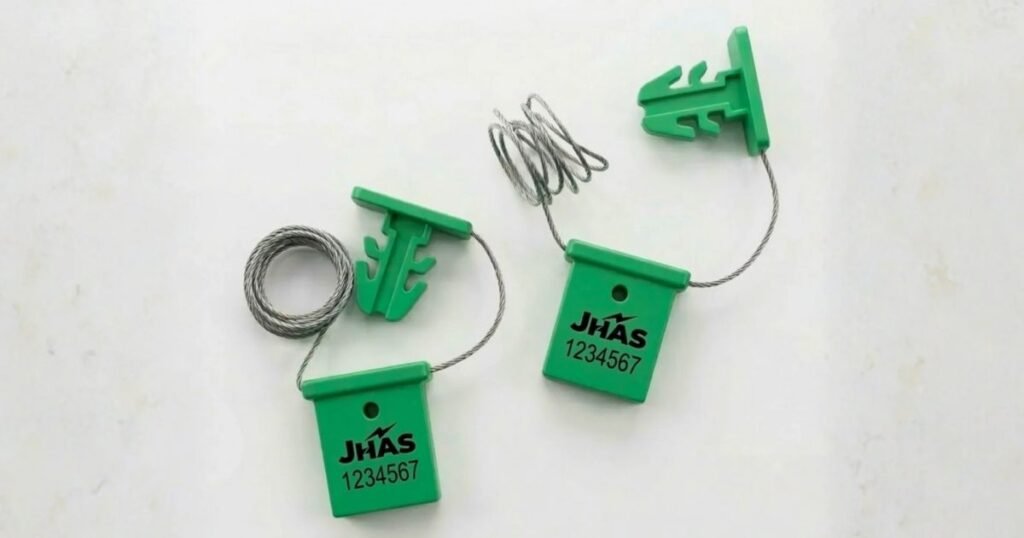
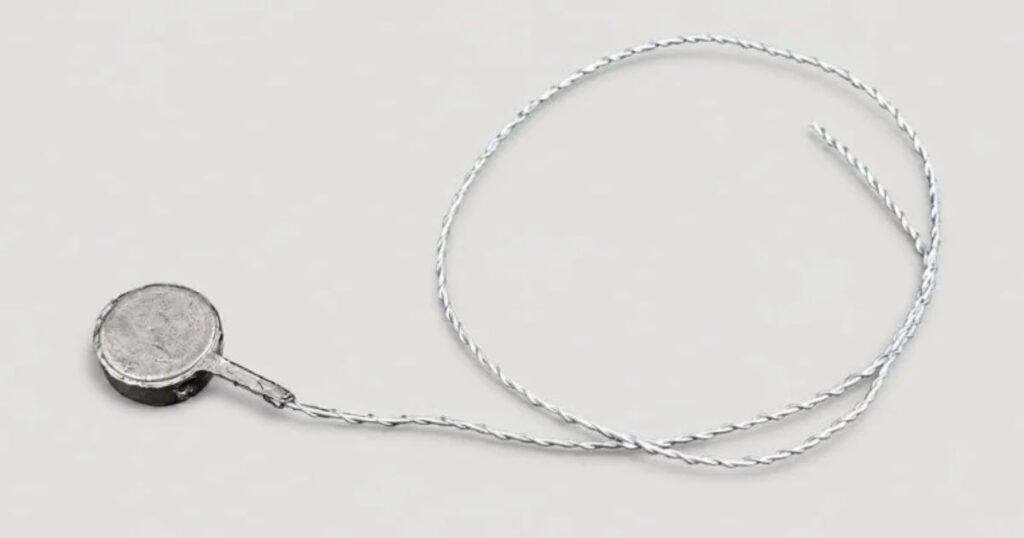
The trade-off is that pull-tight seals are built for light to medium security, not for stopping serious intrusion attempts. A pair of side cutters removes one in seconds. That is by design. For applications where the seal itself needs to resist forced entry, not just reveal it, a metal cable or bolt seal is the better fit, and pairing the two in a layered approach is common on high-value shipments. Follow us JHAS Industries
Numbering, color, and traceability
A plain pull-tight seal only tells you that something was tampered with. A numbered one tells you which bag, on which date, sealed by which shift. Most manufacturers, JHAS Industries included, offer laser-marked sequential numbering, 2D barcodes, and color coding as standard rather than premium add-ons, because traceability is usually the actual reason a business moved from tape or string to a proper security seal in the first place.Color coding in particular does quiet work. A warehouse running red seals for outbound and green for returns can catch a misrouted pallet on sight, long before anyone opens a manifest. JHAS Industries
Choosing the right pull-tight seal for your operation
A few practical questions narrow the choice fast. What is the maximum gap the seal needs to close, and does it change by application? – Does the load need to survive outdoor heat, UV exposure, or cold storage, since strap material and color fade at different rates in each? – Does your process need barcode scanning at either end, or is a printed number and a manual log enough? – Is this seal doing the whole job alone, or backing up a stronger bolt or cable seal on the same door? None of these questions have a universally right answer. They depend on the route, the value of the goods, and how the receiving team actually checks a shipment when it arrives.