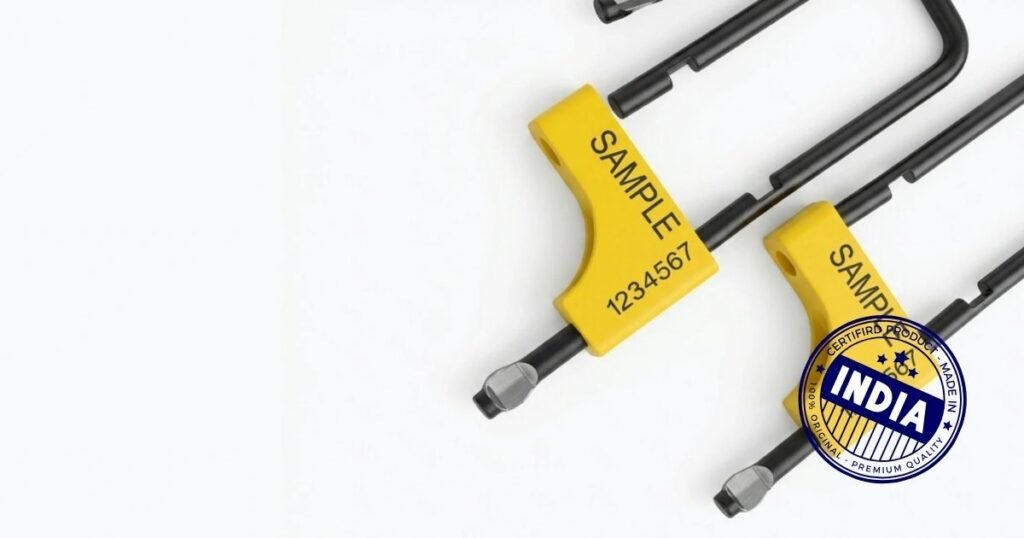
How a padlock seal actually differs from a real padlock
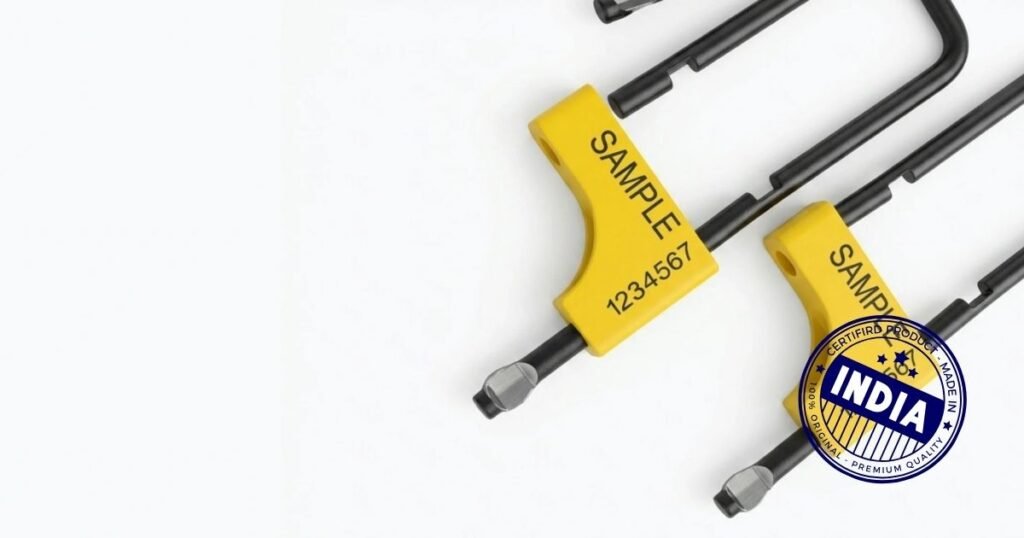
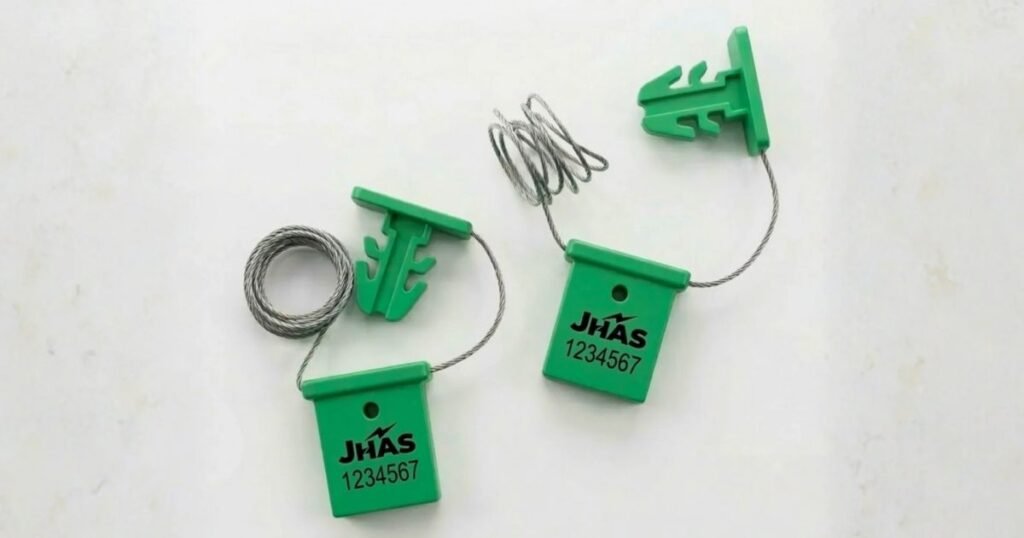
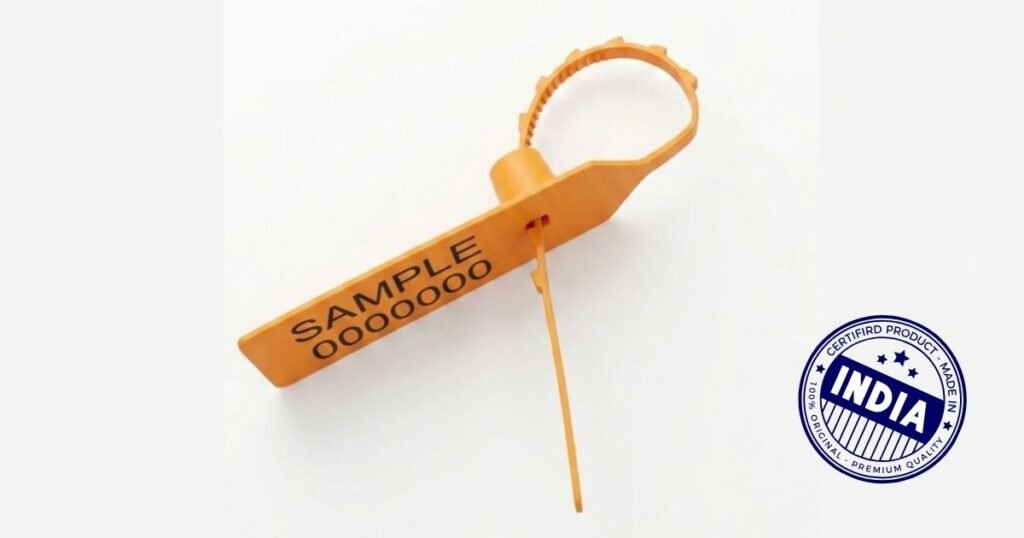
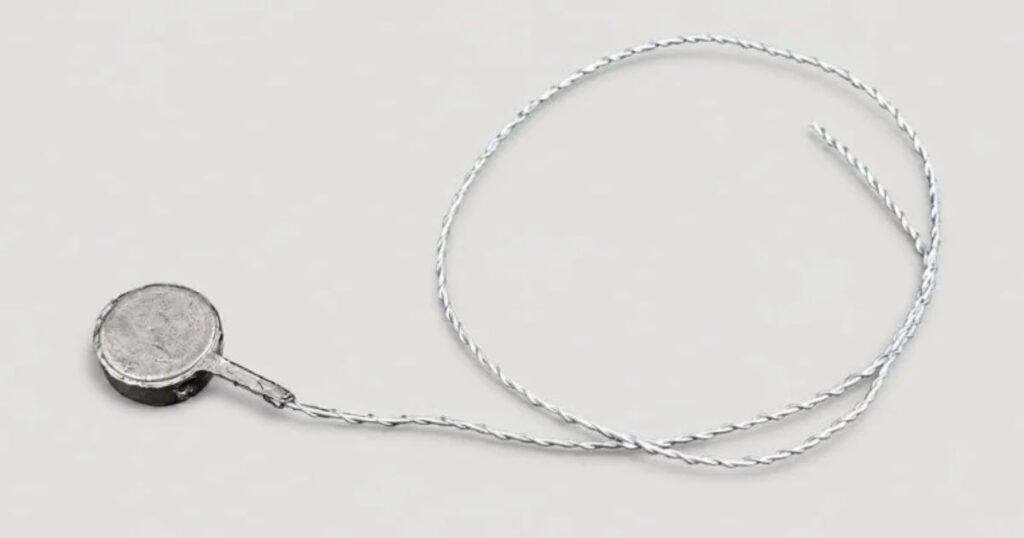
A traditional padlock is reusable, opened and closed repeatedly with a key. A padlock seal, like the Jhas PL-101, is a single-use device; once locked, it cannot be reopened without visibly breaking it, providing tamper evidence rather than repeated access control. The fundamental design goal is entirely different despite the similar shape and application method. JHAS Industries
Where PL-101 is designed to be used
The PL-101 Pad Lock Keyless Seal is rated for applications on wagons, boxes, cubicles, and panel doors, closures that benefit from the padlock-like form factor threading through a hasp or similar closure point, while still providing the permanent, tamper-evident locking a security seal requires.
Why railway wagons specifically use this format
Railway wagon doors and panels often have hasp-style closures originally designed around traditional padlock use, making a padlock seal a natural fit that requires no modification to existing hardware, while replacing the reusable, key-dependent security of a real padlock with the tamper-evident, keyless security a seal provides. Follow us JHAS Industries
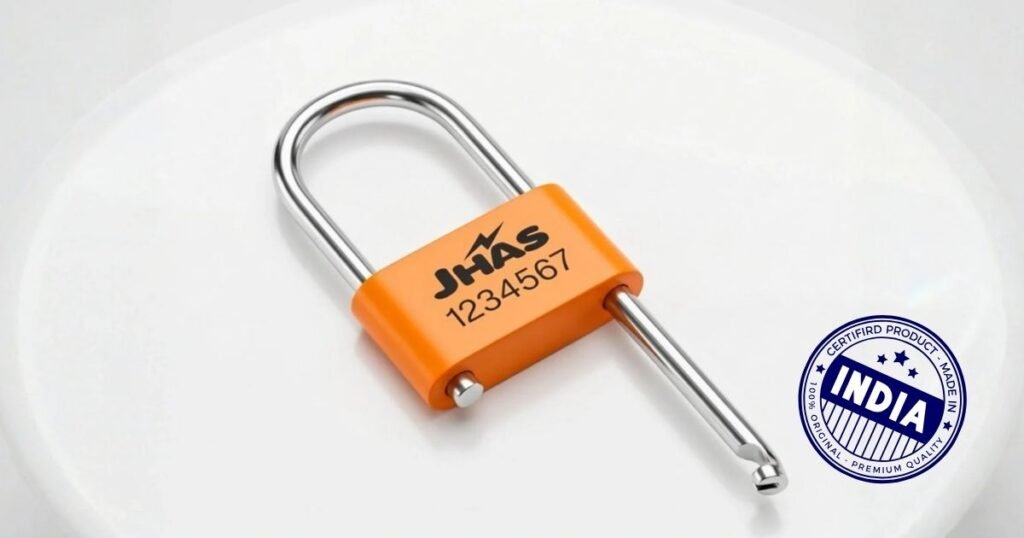
Keyless design removes a genuine operational burden.
As with other keyless seal formats, the pad lock seal removes the need to manage, distribute, and track physical keys across a fleet of wagons or a large facility with many panel doors, a meaningful operational simplification for organizations managing security across many sealed points. JHAS Industries
Cubicle and panel applications beyond rail
Electrical cubicles, control panels, and general access panels across industrial facilities also use padlock seals where a padlock-style closure point exists but the actual security need is tamper evidence rather than repeated, controlled access, common in facilities where authorized staff access is infrequent enough that reusability is not the priority.
Verification and inspection
Like other keyless seals, verifying a pad lock seal is straightforward; a visual check confirms the seal body is intact and undamaged, with the seal’s serial number checked against installation records during routine inspection rounds.