Why a plain seal is only half the job
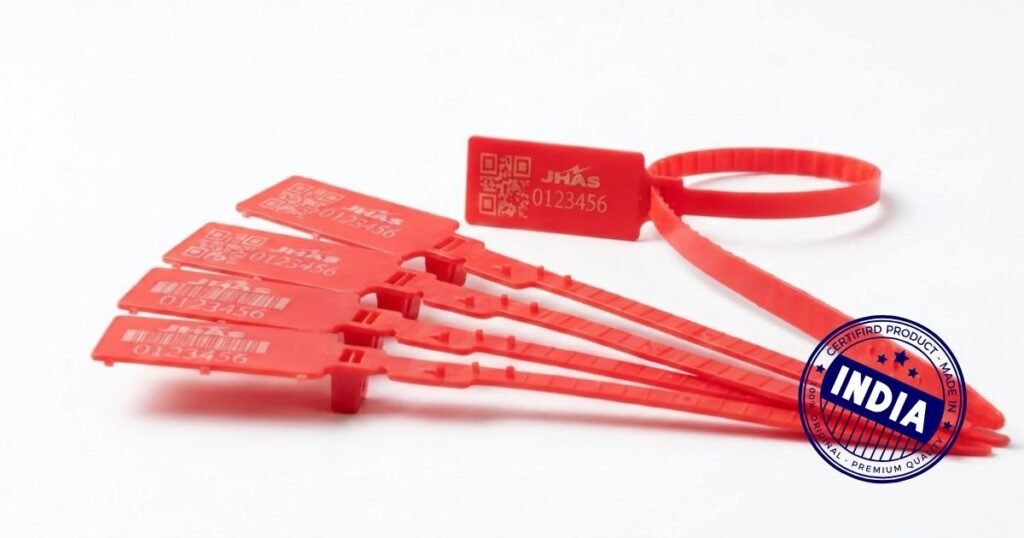
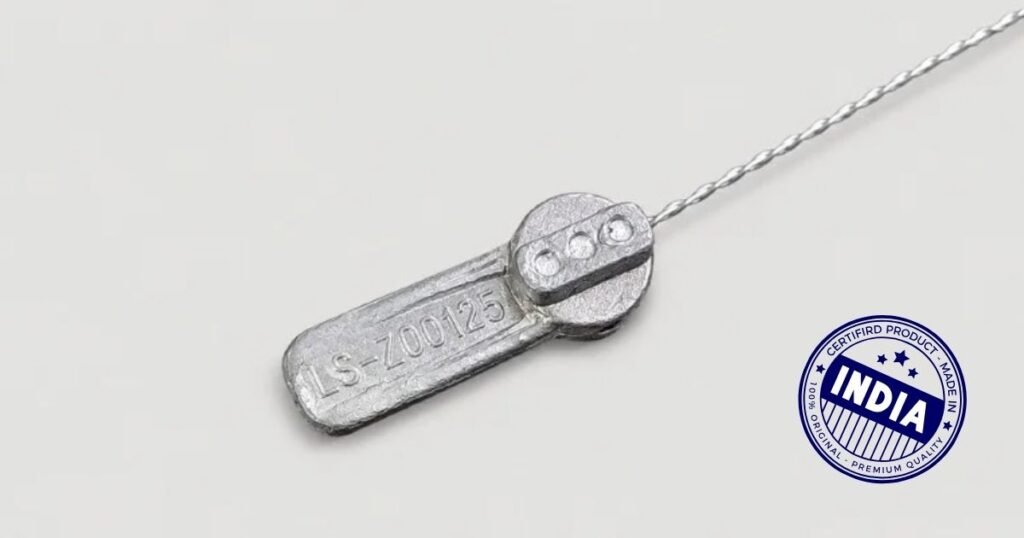
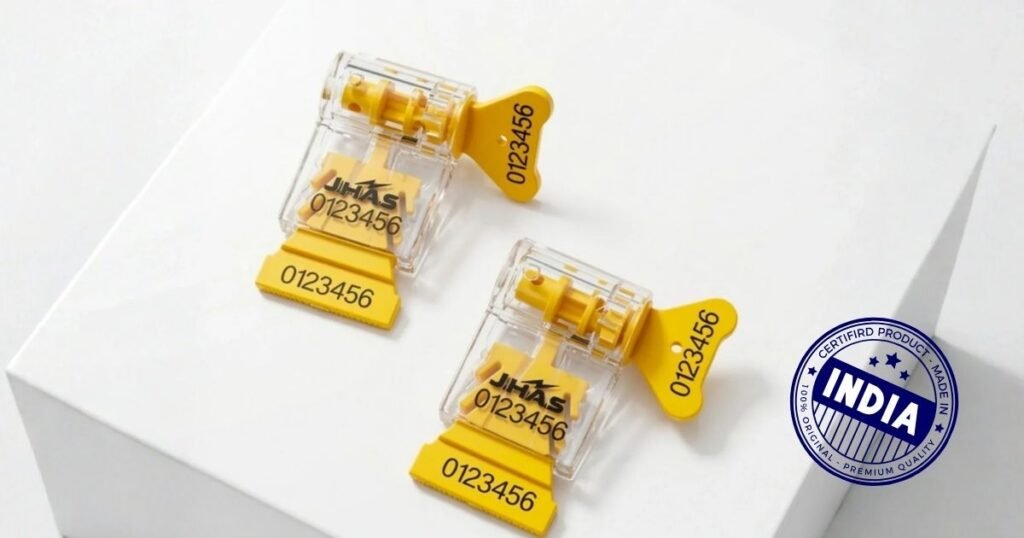
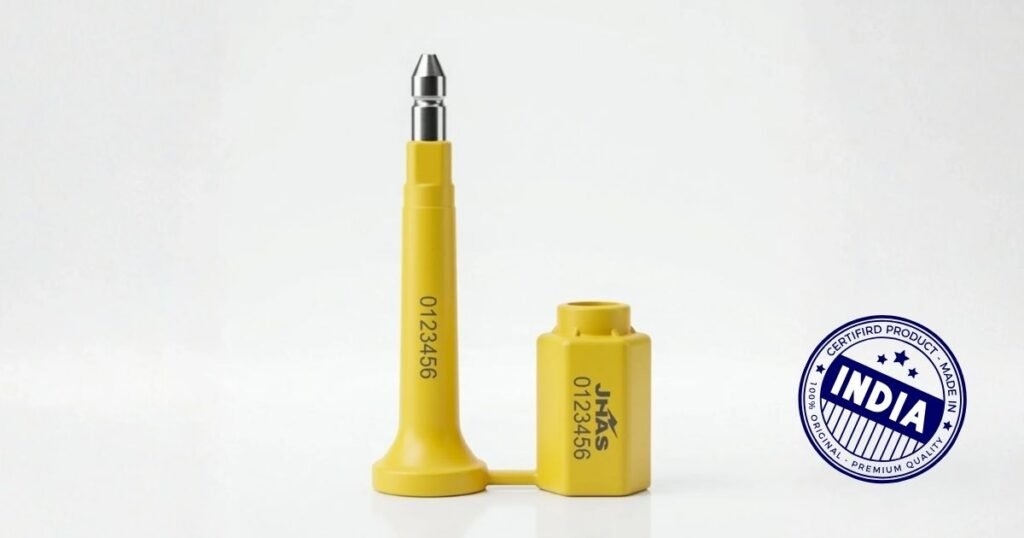
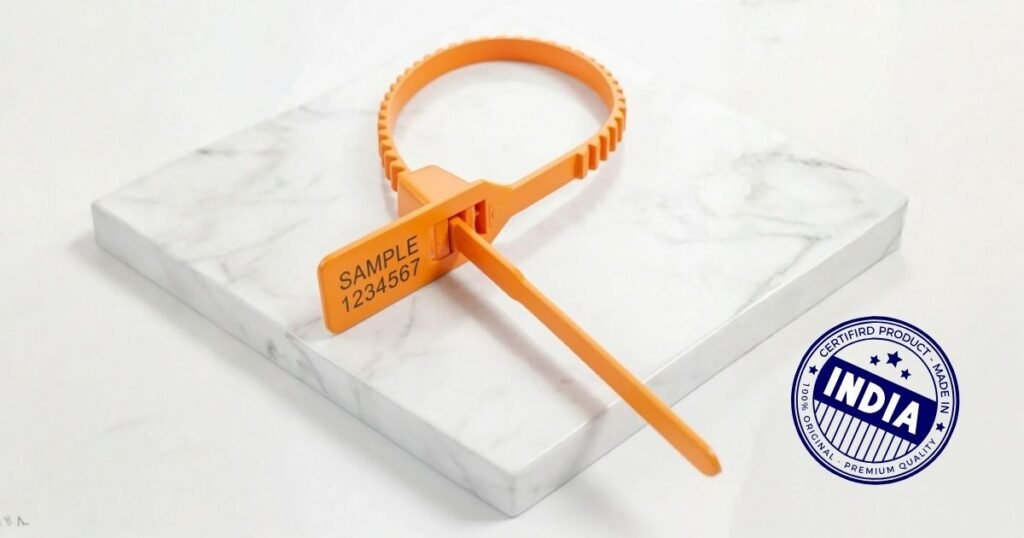
A Plastic Pull-Tight Seals with no numbering does one thing well: it shows whether it has been cut. That’s valuable, but on its own it answers only a yes-or-no question about a single seal in isolation. Once a business is running dozens or hundreds of sealed bags, totes, or containers a day, the real operational question isn’t just whether tampering happened; it’s which specific item was affected, when it was sealed, and by whom. A laser-marked sequential number turns a generic tamper indicator into a traceable record that can be matched against a manifest, a shift log, or a delivery route. JHAS Industries
Sequential numbering, and what it actually enables
A batch of seals numbered in sequence lets a warehouse or logistics operation apply a simple but powerful control, checking that every number in a given range was actually used and accounted for. If seal number 4521 is missing from the log but 4520 and 4522 were both applied and recorded, that gap is worth investigating immediately, long before any single seal shows physical signs of tampering. This kind of control is difficult to run with unnumbered seals, since there’s nothing to reconcile against beyond a simple count.
Barcodes and 2D codes for faster scanning
Sequential numbers work fine for manual logging, but at higher volumes, a barcode or 2D data matrix code printed alongside the number lets a handheld scanner capture the seal ID in a fraction of a second, rather than a staff member reading and typing a multi-digit number by hand. This matters most at high-throughput points, a dispatch dock processing hundreds of parcels an hour, or a cash-in-transit depot logging coin boxes at shift change, where manual transcription errors are both common and costly Follow us JHAS Industries
Reconciliation as a habit, not a one-off audit
The real value of sequential numbering only shows up when reconciliation happens routinely, not just during an occasional stock check. A dispatch team that reviews its issued number range against what was actually logged at the end of every shift catches a missing or unaccounted seal within hours, while a business that reconciles quarterly might not notice a gap until it’s too late to investigate meaningfully. Building this check into a daily or per-shift routine, even as a quick five-minute task, is what actually turns numbering from a nice feature into an operational control. JHAS Industries
What to specify when ordering numbered seals
– Confirm whether you need sequential numbering alone, a barcode, a 2D code, or all three, since each adds a small cost and print time. – Decide the numbering range and format in advance, especially if multiple facilities or shifts will be issuing seals from overlapping batches. – Check that your existing scanning hardware or software actually supports the barcode symbology your supplier defaults to, rather than assuming compatibility. – Ask whether color coding can be tied to your specific route, shift, or client structure rather than a generic set of stock colours.