Cutting resistance, the core differentiator
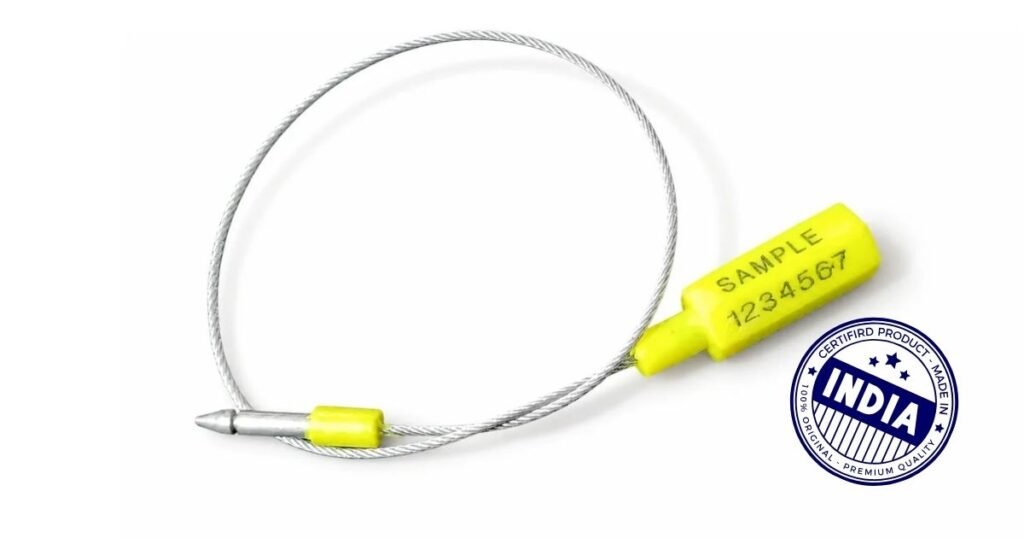
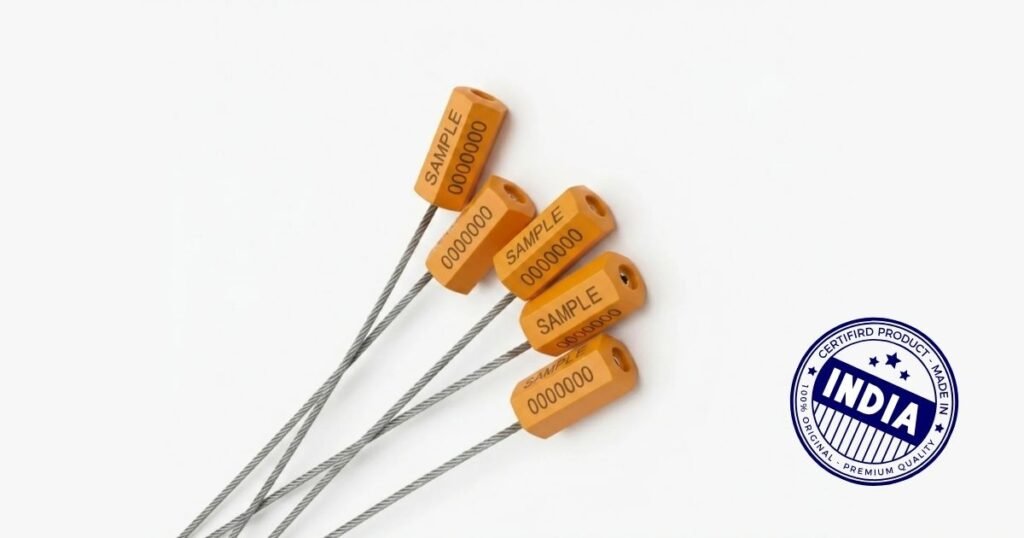
A multi-strand metal wire rope cable resists cutting and bolt cropping far more effectively than a single-strand wire or plastic strip, the primary reason buyers choose this format for high-value applications. JHAS Industries
Cost per unit
Wire rope cable seals cost more per unit than plastic with wire seals or pull tight strip seals, reflecting their added material and manufacturing complexity, a cost that needs to be weighed against the actual risk of the application.
Application speed
Lighter formats, particularly pull-tight strip seals, apply faster and don’t require any tool, useful for high-volume, lower-risk applications where speed matters more than maximum security. Follow us JHAS Industries
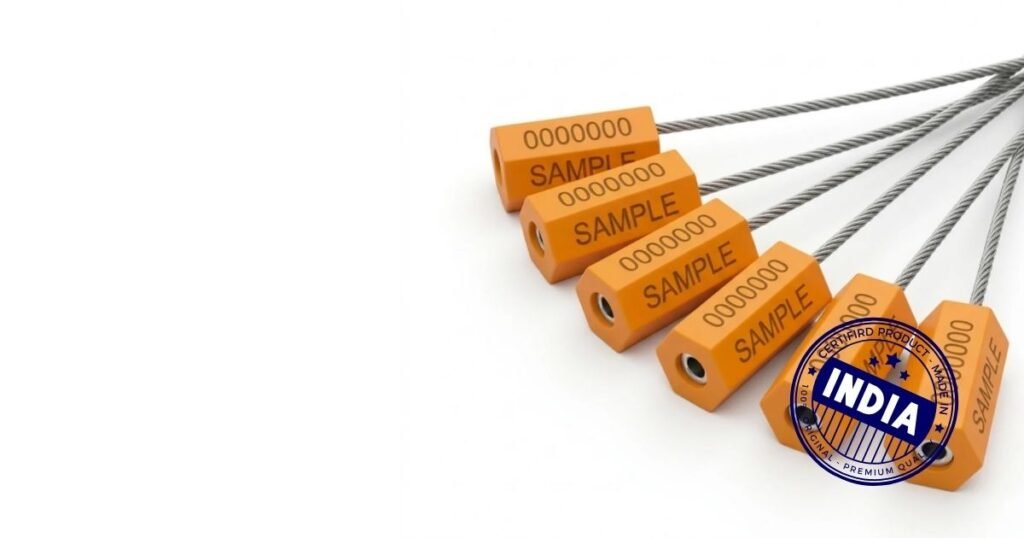
When lighter formats are the better choice
For lower-value cargo, internal warehouse use, or high-volume routine applications, the added cost of wire rope cable seals often isn’t justified, making plastic with wire seals or pull tight strip seals the more sensible choice. JHAS Industries
When wire rope cable seals are worth the added cost
High-value cargo, extended unsupervised transit periods, or regulatory requirements specifying a minimum security level typically justify the added cost of wire rope cable seals.
How Jhas Industries supports either choice
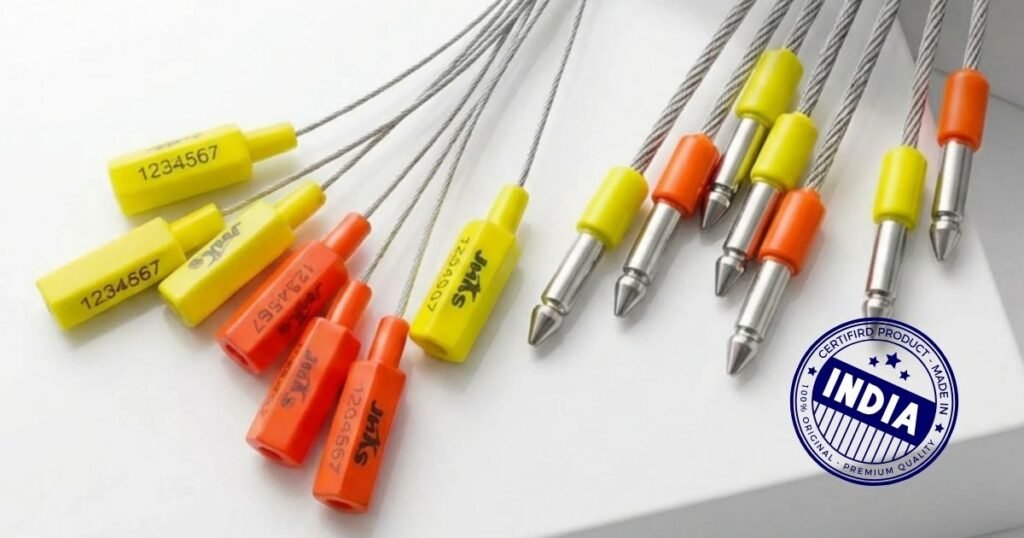
Jhas Industries manufactures metal wire rope cable seals alongside plastic with wire seals and pull tight strip seals, letting buyers match the right format to each application rather than standardizing on a single seal type across every use case. Follow us JHAS Industries
Verifying the lock engages properly
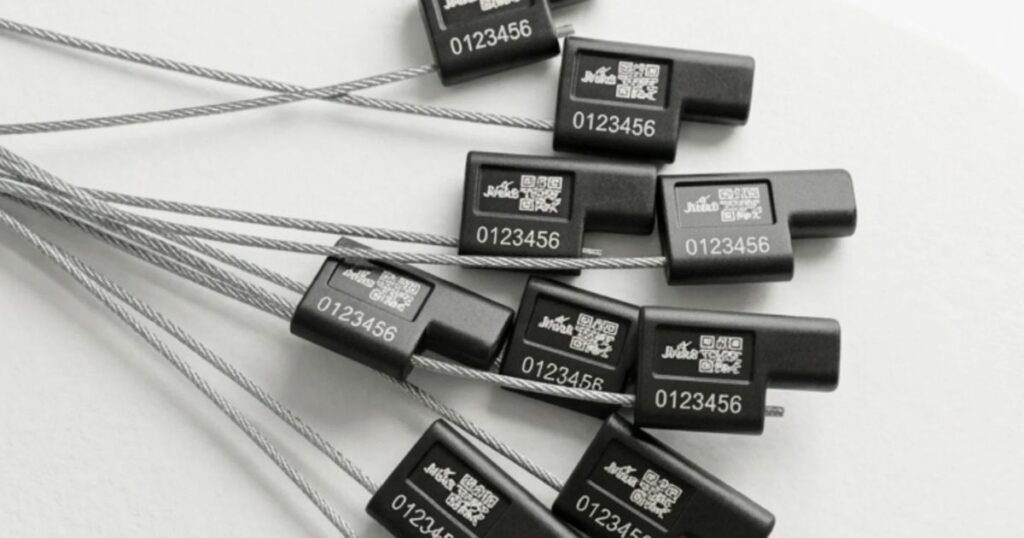
Where applicable, inspectors should confirm the locking mechanism is genuinely engaged and not merely appearing closed, since a seal that looks locked but is not properly seated provides no real security. JHAS
Documenting the inspection consistently
Recording each inspection, including the date, inspector, and condition observed, builds an audit trail that becomes valuable if a dispute or investigation arises later regarding cargo or equipment integrity.
Training staff to recognize tampering signs
Inspection quality depends on staff actually knowing what tampering looks like, so periodic training on recognizing altered wire, damaged locking bodies, and mismatched serial numbers supports a more reliable inspection process overall. Follow us, JHAS