Why the comparison isn’t really apples to apples
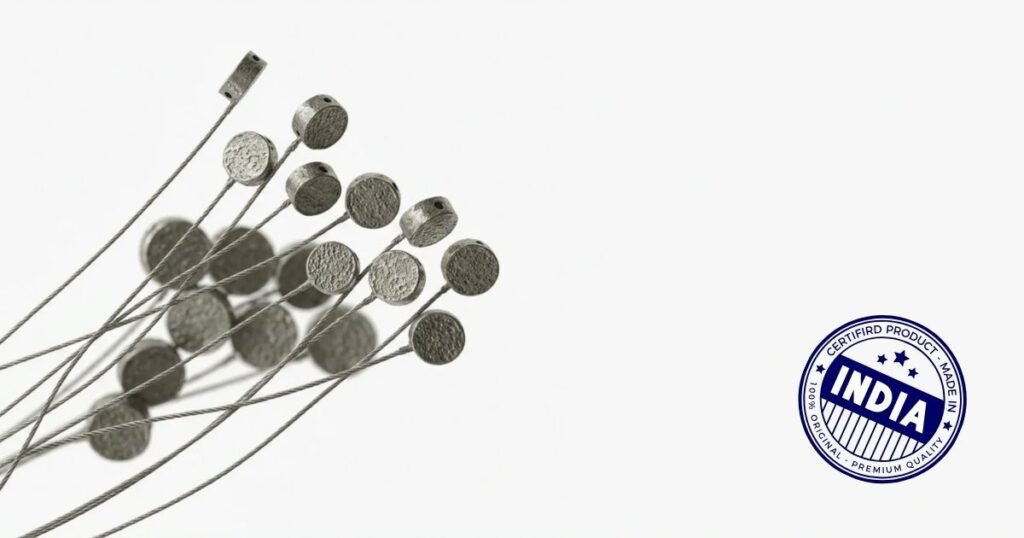
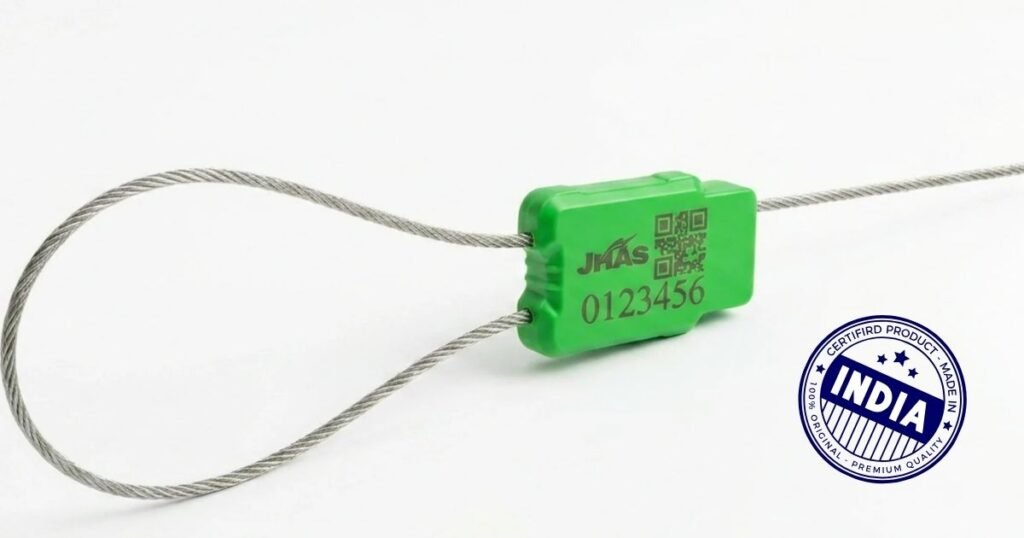
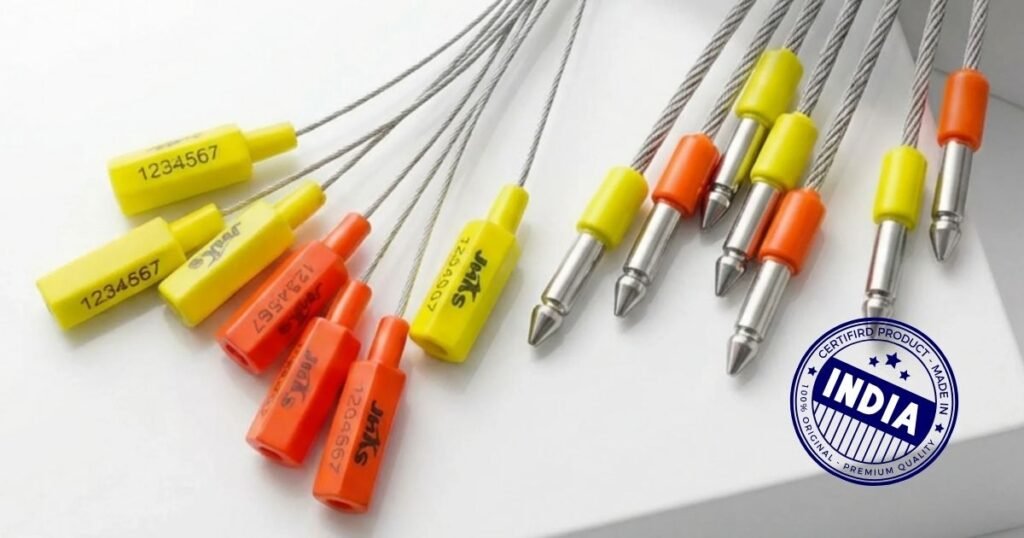
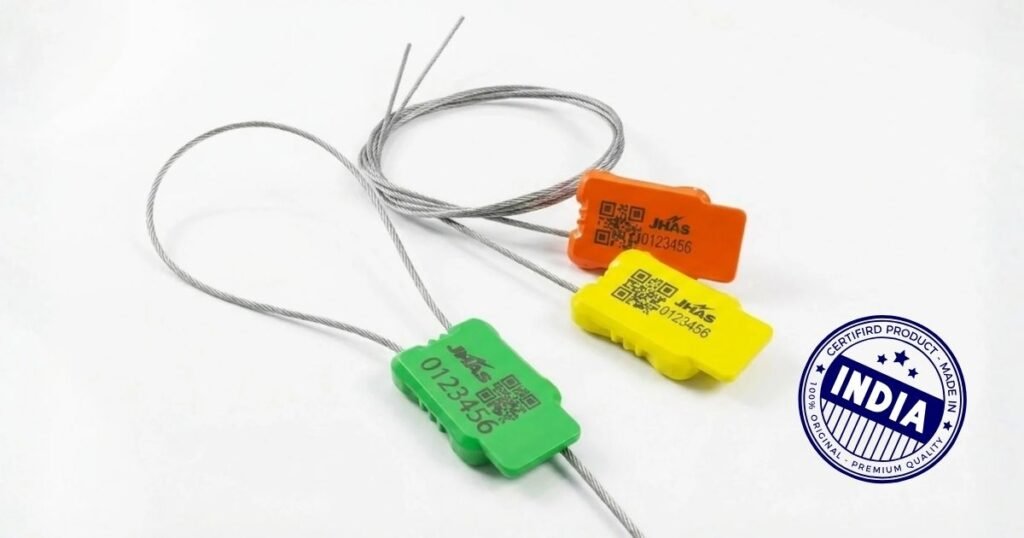
Framing lead against plastic and wire as competing options slightly misses how each format actually earns its place. Plastic pull-tight seals win on speed, cost, and volume, which is exactly what most commercial logistics and courier applications need. Wire seals bridge cases where a flexible, moderate-strength closure fits better than a molded plastic strap. Lead earns its place somewhere else entirely, in applications where a stamped, physically deformed, hard-to-forge mark matters more than speed or unit cost, which narrows its realistic use case considerably compared to the other two. JHAS Industries
Where cost and speed make plastic the obvious choice
For courier bags, warehouse totes, cash boxes moving through routine internal processes, and any high-volume commercial application, plastic’s lower unit cost and faster application time make it the sensible default. Lead crimping requires sealing pliers, a bit more time per unit, and generally a trained hand to get a clean, legible stamp, none of which scales well across thousands of daily applications the way a snap-shut plastic seal does.
Where lead still holds a genuine advantage
Judicial evidence handling, government document sealing, and certain utility and industrial applications specify lead specifically because the stamped, physically deformed mark is harder to convincingly replicate than a printed serial number on plastic or wire, and because lead’s chemical stability makes it well suited to items that may sit sealed for years before anyone checks them again. In these cases the extra time and cost per unit isn’t a drawback, it’s the entire point, since the application values durability and forgery resistance over speed. Follow us JHAS Industries
Cost comparison across a realistic volume
For a business trying to weigh this purely on unit economics, it helps to think in terms of total applications rather than per-seal price alone. A high-volume courier operation sealing thousands of bags a day would see its overall sealing cost multiply significantly if it switched entirely to lead, not because lead itself is dramatically more expensive per unit, but because the added application time compounds across that volume. A government department sealing a few dozen evidence bags a week faces the opposite calculation, where the modest extra cost and time per seal is negligible against the value of the added assurance lead provided for those specific, lower-volume, higher-stakes items. JHAS Industries
A middle ground some buyers overlook
It’s not always all-or-nothing. Some operations use plastic or wire seals for routine, high-frequency sealing and reserve lead specifically for higher-stakes instances within the same broader process, a court case likely to face appeal, a regulatory filing under active dispute, or an industrial calibration point tied to a compliance audit. This selective use captures lead’s advantages exactly where they matter most without slowing down the bulk of day-to-day sealing that doesn’t need that level of assurance. Follow us JHAS Industries