What ISO 17712 actually covers
ISO 17712 is the international standard that sets uniform procedures for classifying, accepting, and withdrawing mechanical seals used on freight containers. It exists so that a customs officer in Rotterdam and one in Los Angeles can look at the same seal and know exactly what level of protection it is certified to provide, without needing to trust a manufacturer’s marketing claims on faith. The standard grew out of post-2001 shipping security concerns, when container security shifted from a mostly theft-prevention concern to a broader supply chain security issue, and it has been revised since to tighten both the physical testing and the manufacturer auditing requirements behind the classification. JHAS Industries
The three classifications, and what each one means
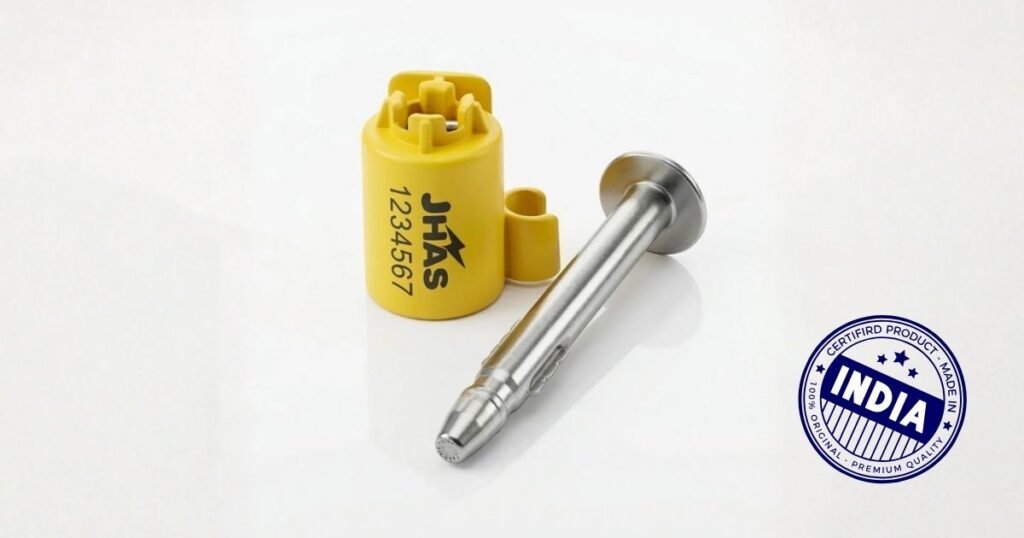
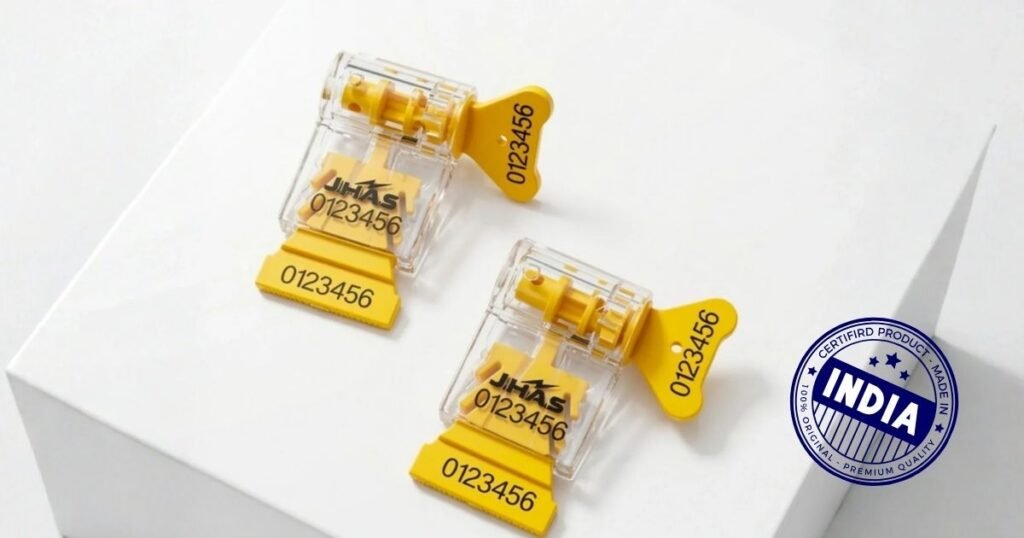
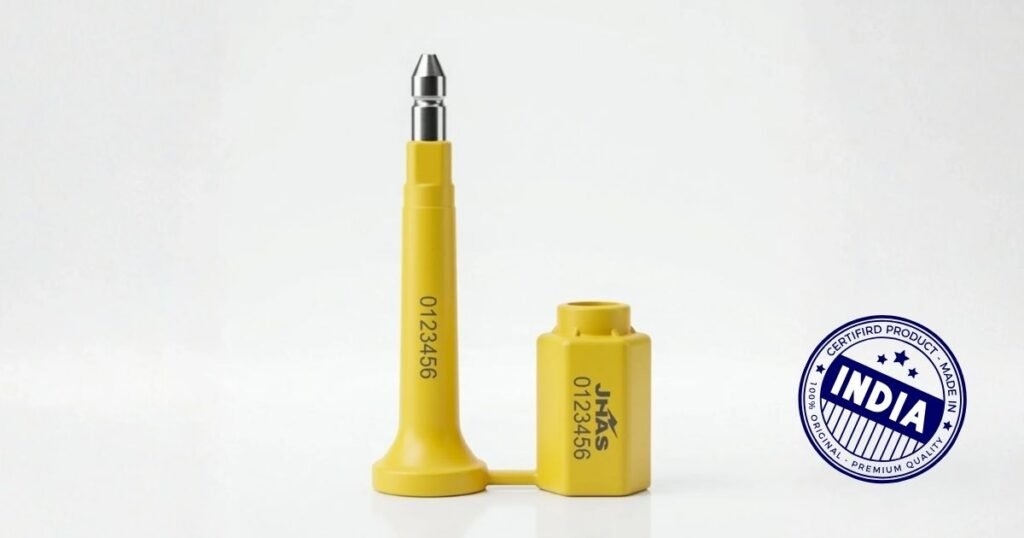
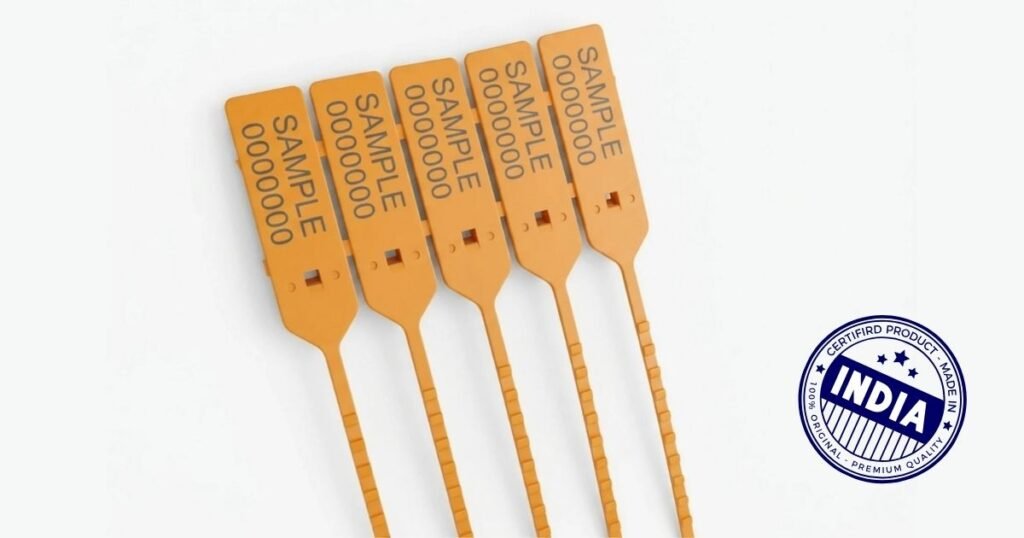
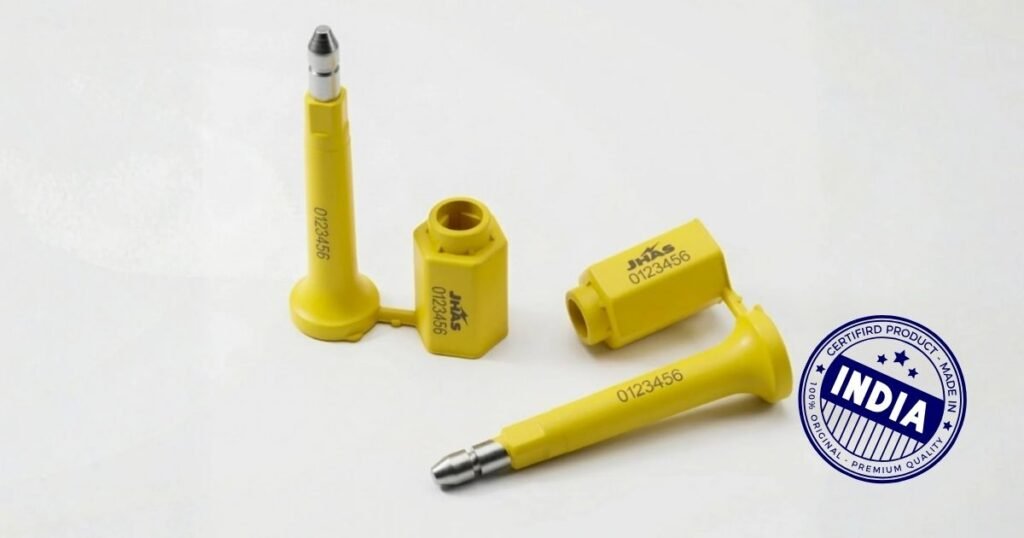
ISO 17712 Container Seals into three letters. “I” for Indicative seals, generally plastic or thin metal, offering essentially no barrier protection but clear evidence of tampering. “S” for security seals, offering some resistance to defeat. “H” for high security seals, built from metal or metal cable specifically to delay intrusion, and marked with an “H” on the seal body once certified. C-TPAT, the US Customs and Border Protection’s voluntary supply chain security program, requires H-class seals on containers moving through its participants’ supply chains. If your export contract touches C-TPAT-participating importers or carriers, and most US-bound ocean freight does in practice, an H-rated bolt or cable seal is not optional; it is the baseline expectation.
How a seal actually earns its classification
Certification is not a label a manufacturer can print on request. It requires independent testing at an accredited laboratory covering tensile strength, resistance to bending, shear, and impact, alongside an audit of the manufacturer’s own security practices under the standard’s Annex A, which covers facility access controls, production security, and record keeping. A seal that passes the mechanical tests but comes from a facility that fails the Annex A audit does not qualify as compliant, which is a detail many buyers overlook when comparing suppliers purely on the physical seal itself. Follow us JHAS Industries
What to actually check before you buy
Asking a supplier, “Is this ISO 17712 compliant?” invites a yes by default. A more useful question is which independent, accredited laboratory tested the specific product line and whether the manufacturing facility itself carries current Annex A certification, not just the seal design. Reputable manufacturers keep this documentation on hand and will share it without hesitation, since it is exactly what a customs audit or a buyer’s own compliance team will eventually ask to see. JHAS Industries
Why this matters even for exporters who rarely ship to the US
It’s tempting for exporters whose main markets sit outside the US to treat ISO 17712 as someone else’s compliance problem. In practice, many freight forwarders, shipping lines, and destination customs authorities outside the US have adopted the same classification system as their own working standard, simply because it gives everyone in the chain a shared, tested reference point rather than each country maintaining a separate seal standard. A shipment that carries a properly classified H-rated seal rarely draws extra scrutiny anywhere, while an uncertified or ambiguously labelled seal can raise questions regardless of the destination, since inspectors increasingly expect to see the classification marking as a baseline, not an exception.
Common gaps that cause delays at port
A shipment moving with an uncertified or misclassified seal is one of the more avoidable reasons a container gets flagged, and the fix is rarely difficult once identified. The more common gaps are using an S-rated cable seal where an H-rated bolt seal was expected, failing to retain the manufacturer’s compliance certificate for the specific batch shipped, or switching suppliers mid-contract without confirming the new supplier’s Annex A status. None of these are hard problems to solve, but they are easy to miss until a shipment is already sitting at the dock. Follow us JHAS Industries