A simple mechanism built for one job
Wire rope cable seals look simple from the outside, a metal or plastic locking body threaded onto a length of cable, but the engineering behind that simplicity is what actually determines whether a seal resists tampering in the field. Understanding the basic construction helps buyers evaluate quality beyond just price per piece. JHAS Industries
The two core components
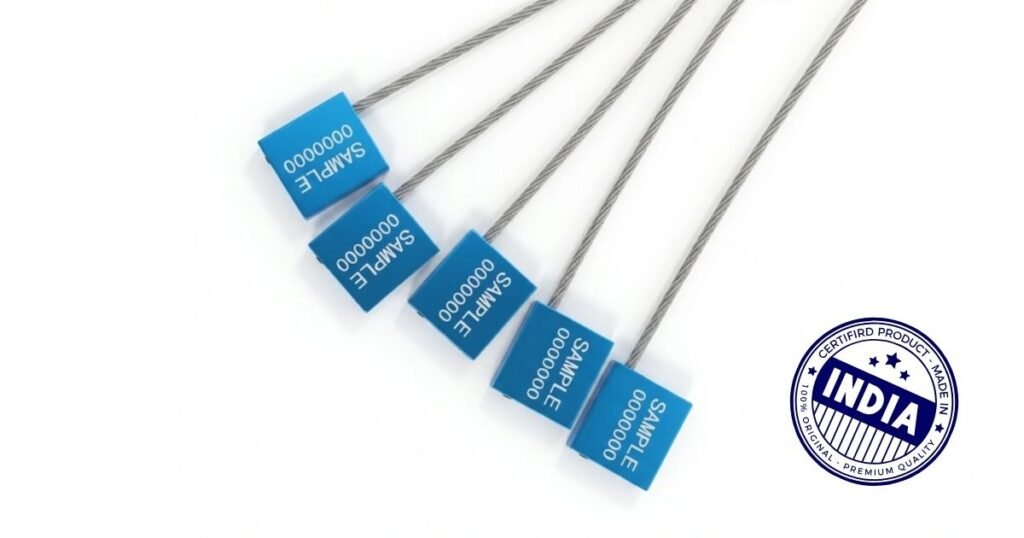
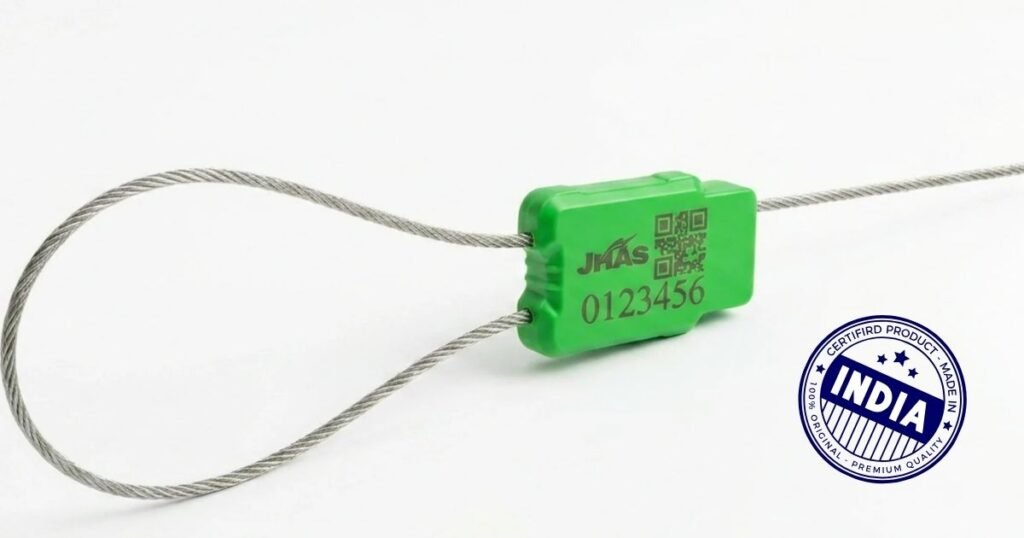
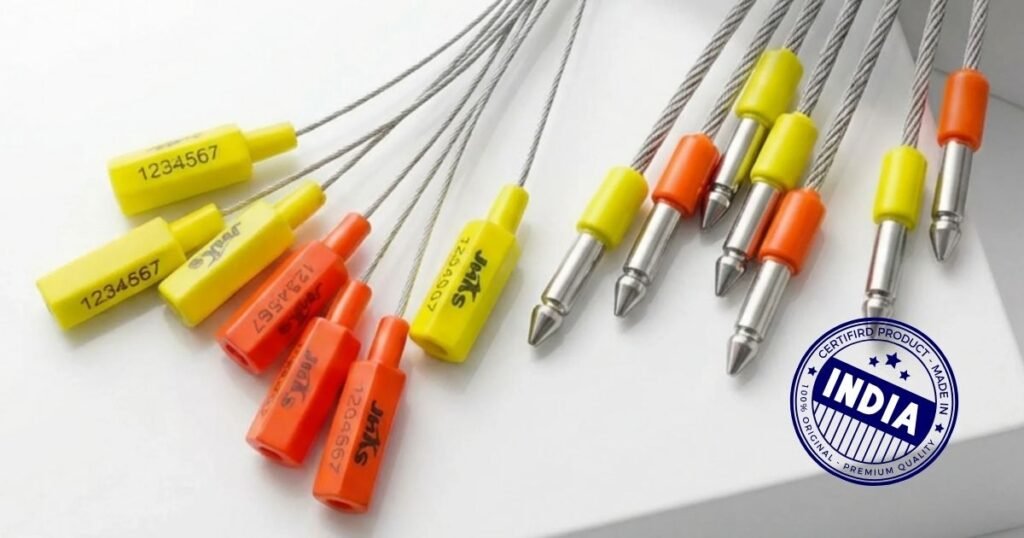
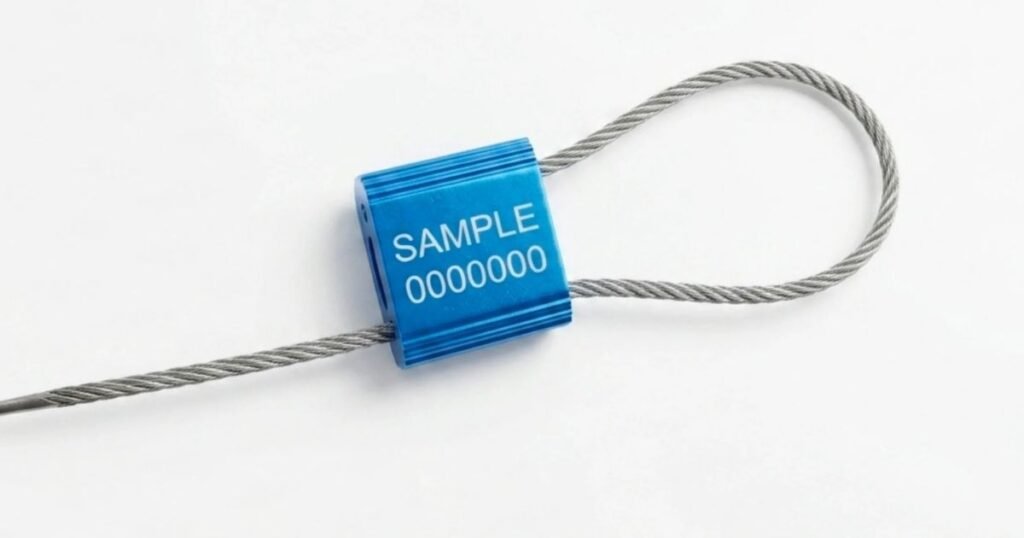
Every wire rope cable seal is built from two parts working together, a locking body and a cable. JHAS Industries manufactures its wire rope cable seals with an aluminum or plastic body paired with a galvanized or stainless steel cable, in wire diameters ranging from roughly 1.5 mm up to 3.5 mm depending on the model, with wire lengths starting at 150 mm and customizable to longer lengths on request.
Push-fit locking and why it matters
Most wire rope cable seals use a push-fit keyless locking mechanism, meaning the cable threads into the body and locks in place without needing a separate key or tool. This design does two things at once, it makes field application fast for warehouse and logistics staff, and it makes any tampering attempt immediately visible, since the seal cannot be reopened and reclosed without leaving obvious damage
Why cable thickness and material grade matter
A thicker wire diameter and higher-grade steel cable resist cutting attempts longer and hold up better under the physical stress of transport, vibration, and weather exposure during long shipping routes. Buyers comparing wire rope cable seals across suppliers should ask specifically about wire diameter and cable material grade, not just the outer body design, since the cable itself is what ultimately provides the security barrier. JHAS Industries
Identification and traceability features
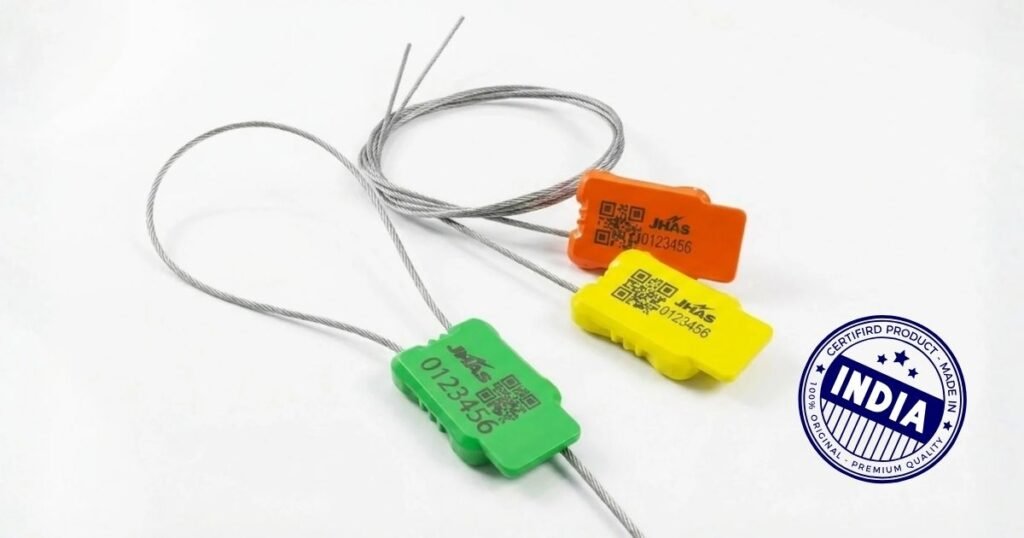
Beyond the physical lock, these seals include laser-marked logos, sequential serial numbers, and 2D barcodes, giving each seal a traceable identity that supports chain-of-custody verification across a shipment’s journey from origin to destination.
Removal and single-use design
These seals are designed for single use, removed only by cutting the cable with a dedicated cable cutter. This single-use property is central to the entire security model, any seal found already cut or missing at a checkpoint immediately signals a potential tampering event, without ambiguity. Follow us JHAS Industries