Electricity meters, the most common application
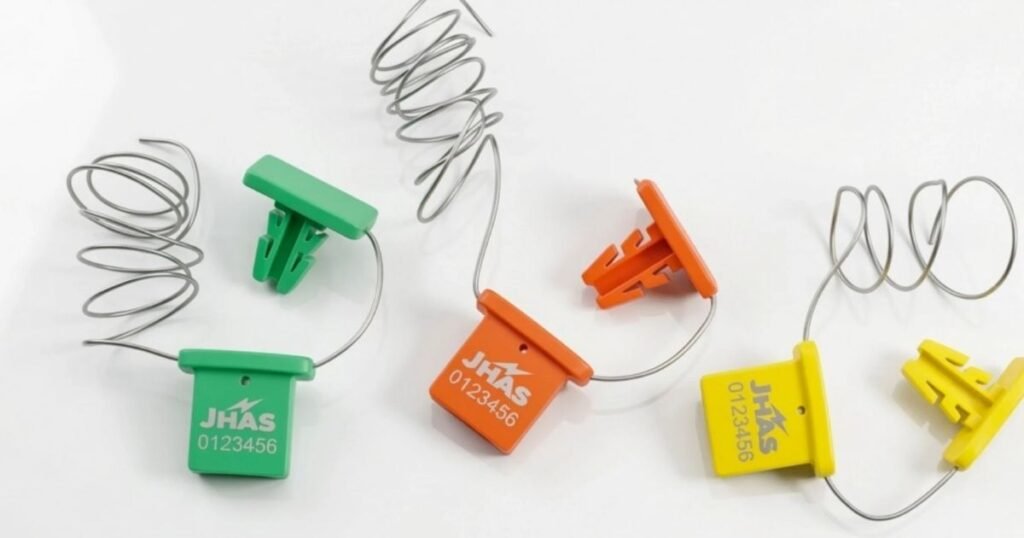
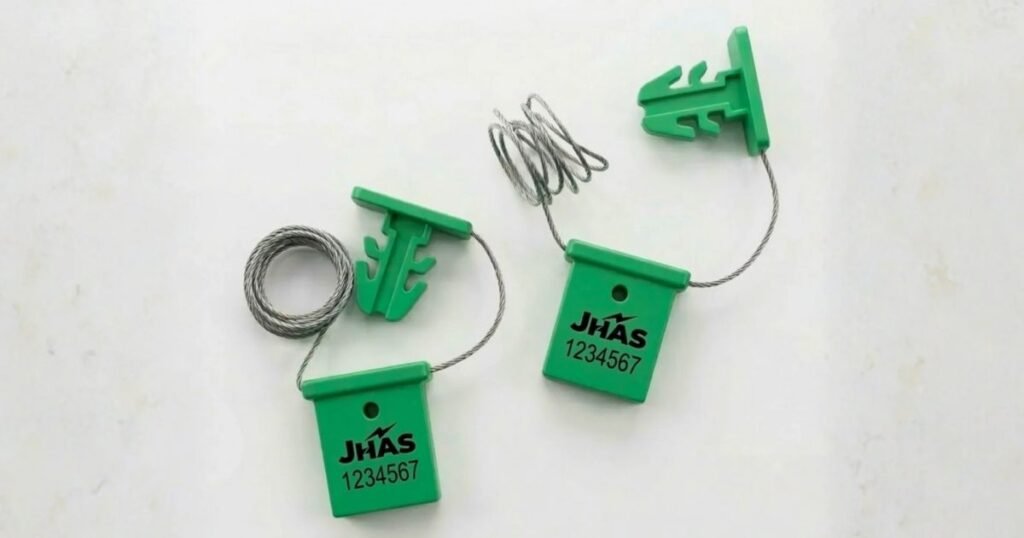
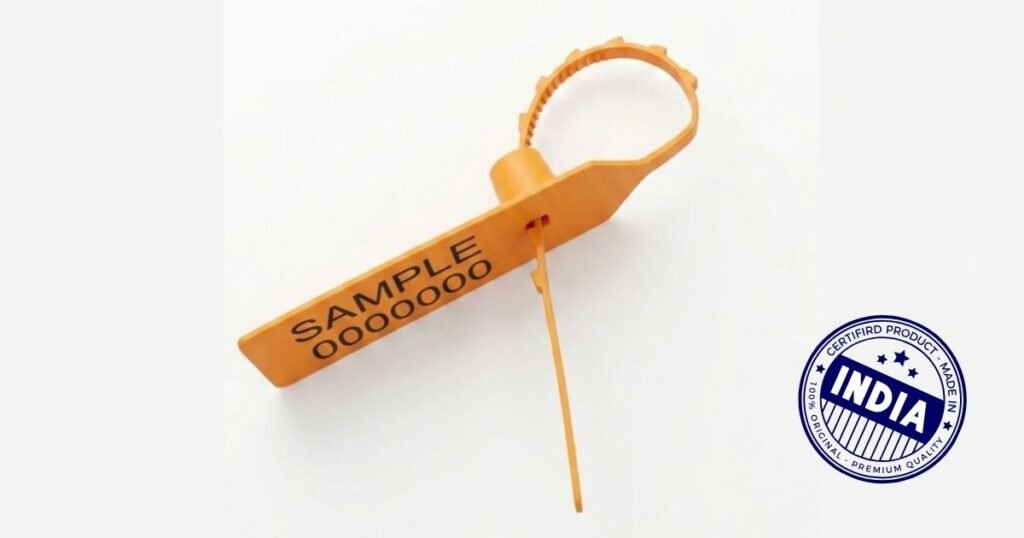
Electricity meter tampering, bypassing the meter, reversing it, or interfering with its recording mechanism, remains a persistent revenue loss issue for energy distribution utilities. A Polycarbonate Meter Seals secures the meter’s terminal cover or casing, and any attempt to access the internals leaves visible damage to the seal, giving inspectors a fast, reliable check during routine visits. Jhas Industries
Gas meters and additional safety considerations
Gas meter tampering carries safety risks well beyond simple revenue loss, since interfering with a gas meter can create a genuine hazard. Seals on gas meters need the same tamper evidence as electricity applications, but the installation point often differs based on the specific meter design, and utilities frequently specify seals rated for outdoor exposure and temperature variation given typical gas meter placement.
Water meters and a different risk pattern
Water meter tampering tends to involve bypassing the meter register entirely or interfering with the flow mechanism, and water meters are frequently installed in below-ground pits or outdoor enclosures exposed to moisture. Polycarbonate meter seal resistance to water ingress and general environmental degradation makes it well suited to this specific installation environment compared to less durable sealing materials. Follow us at Jhas Industries
Shared benefits across all three utility types
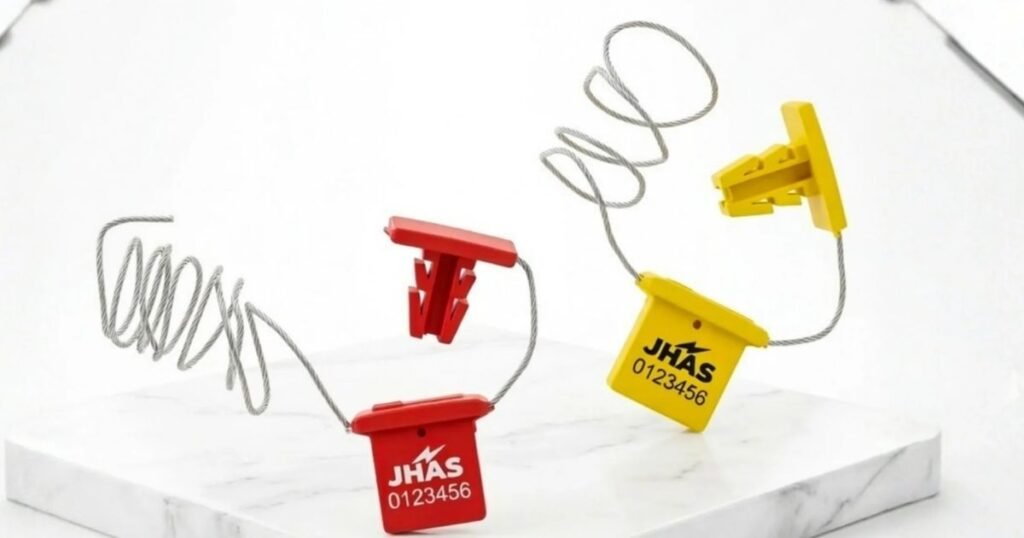
Regardless of utility type, Polycarbonate Meter Seal seals offer the same core advantages: tamper evidence that is immediately visible on inspection, resistance to environmental degradation, and the ability to add sequential serial numbers for tracking each seal against installation and inspection records. Follow us Jhas Industries
Why utilities standardize on one seal type across meter types
Some utilities manage electricity, gas, and water services together and find real operational value in standardizing on the same Polycarbonate Meter Seal seal platform across all three, simplifying procurement, inventory management, and field staff training, even where the specific installation details differ slightly by meter type.
What to specify when ordering
When ordering seals for a specific utility application, specify the meter type, expected installation environment (indoor or outdoor), expected temperature range, and desired security level (double lock or triple lock) so the manufacturer can recommend the right configuration rather than a generic default. Jhas Industries