The one-way locking mechanism
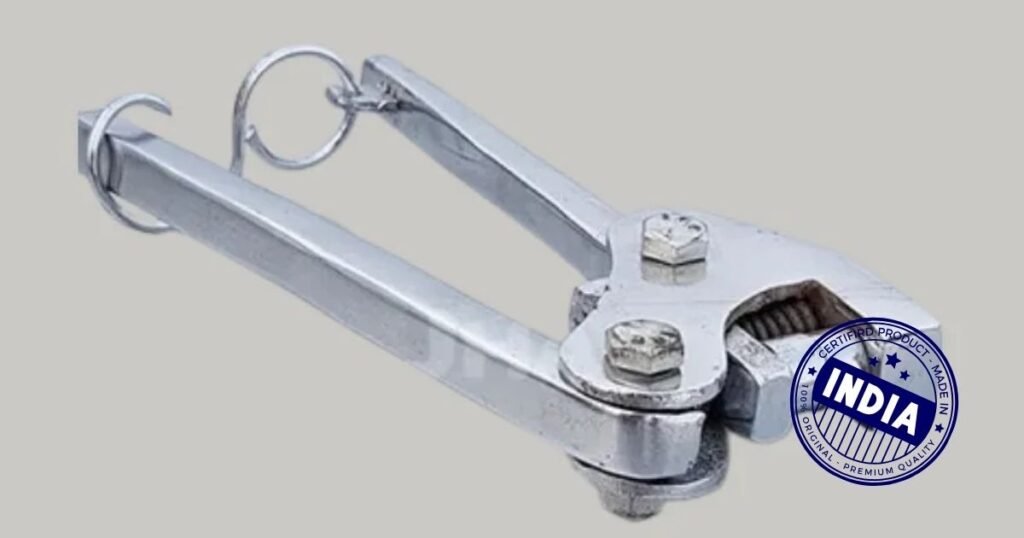
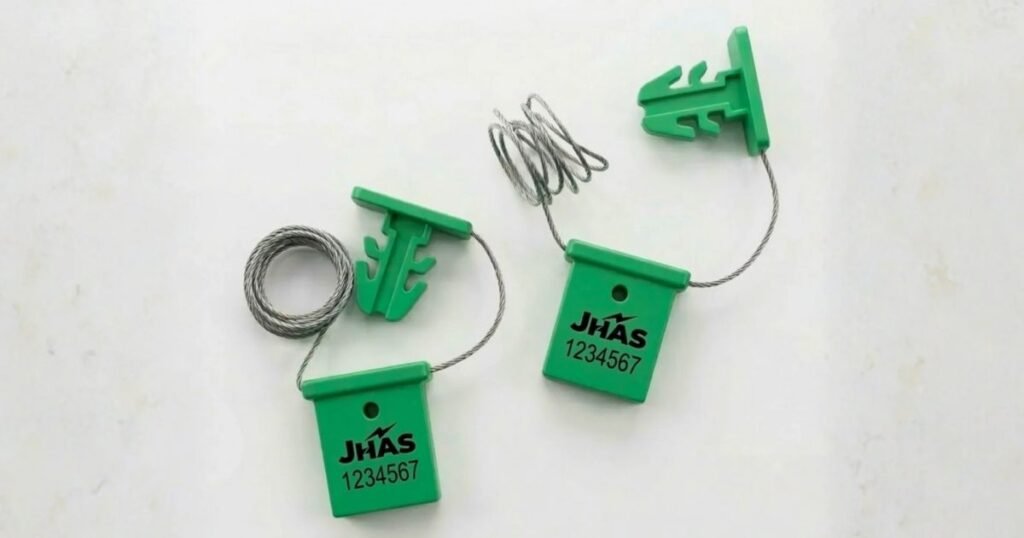
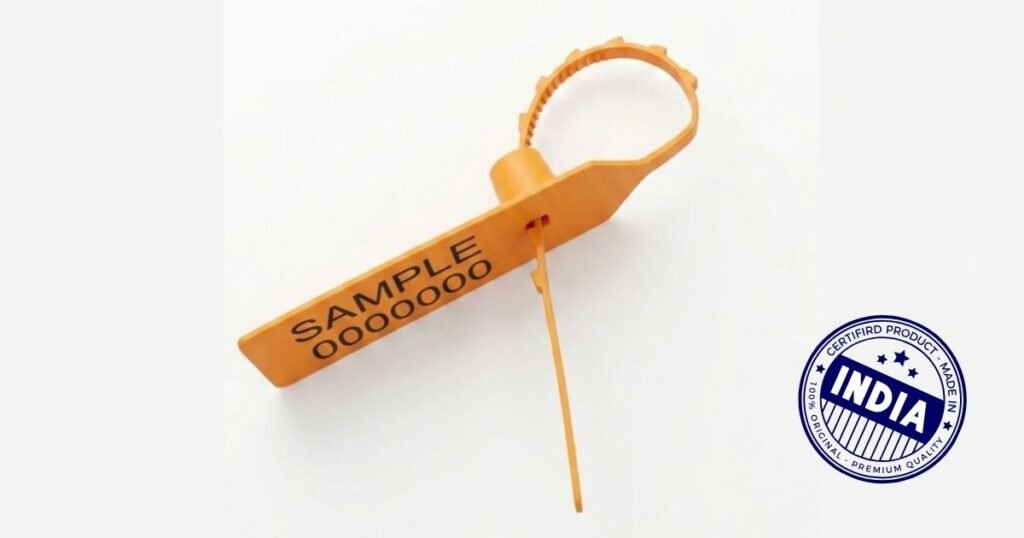
Most industrial security seals use a locking mechanism that engages in one direction only, meaning any attempt to reopen the seal requires visibly cutting or breaking it, leaving unambiguous evidence rather than a subtle sign only an expert would notice. JHAS Industries
Serialized tracking against shipment or inspection records
Sequential serial numbers let operators match a specific seal to a specific shipment, meter reading, or inspection date, turning a simple physical seal into part of a broader audit trail that can flag discrepancies.
Reducing utility revenue loss through meter tampering prevention
For electricity and water utilities, meter seals specifically deter the common fraud pattern of bypassing or tampering with a meter to under-report usage, directly protecting utility revenue. Follow us JHAS Industries
Supporting chain-of-custody requirements in evidence handling
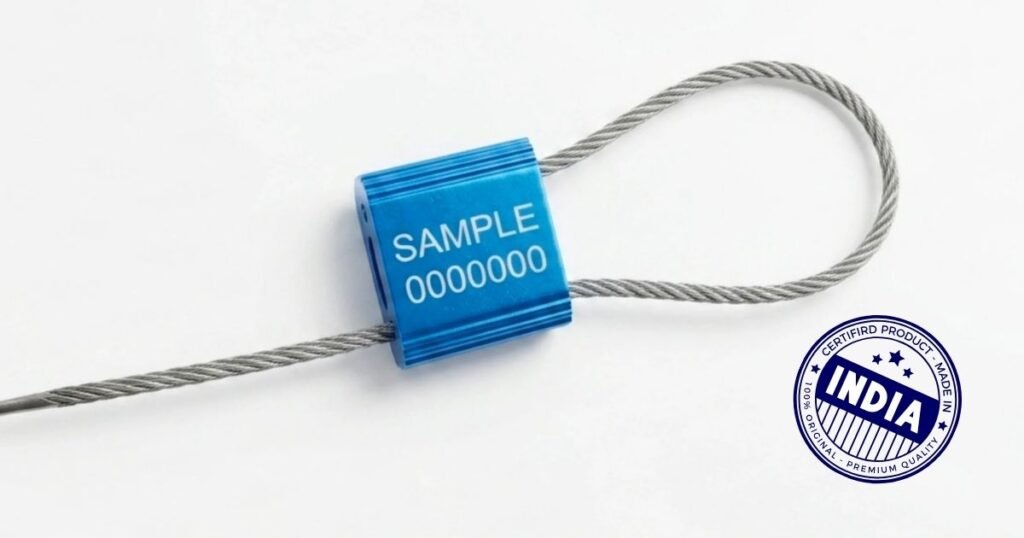
In judiciary and law enforcement contexts, a broken or missing seal on an evidence container immediately signals a chain-of-custody problem, a critical safeguard for maintaining evidence integrity through legal proceedings. JHAS Industries
Deterring casual tampering through visible presence
Beyond their functional locking mechanism, the visible presence of a security seal itself acts as a deterrent, since would-be tamperers know any attempt will be immediately obvious to whoever checks the seal next.
Why fraud prevention depends on consistent seal quality
A seal that can be quietly defeated or reset without visible damage undermines this entire fraud prevention function, which is why manufacturing consistency and quality control matter as much as the underlying design concept. Follow us JHAS Industries