Confirming the serial number matches records
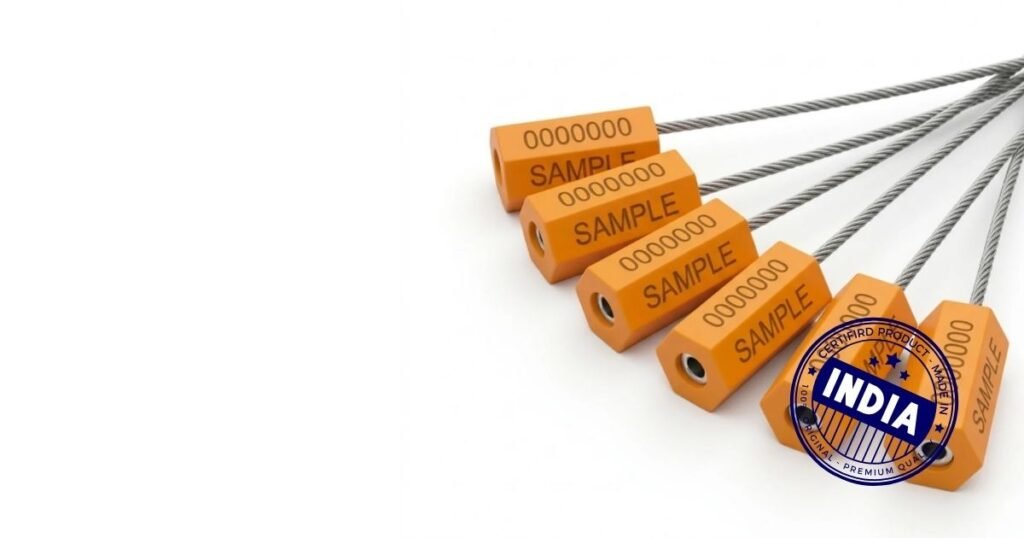
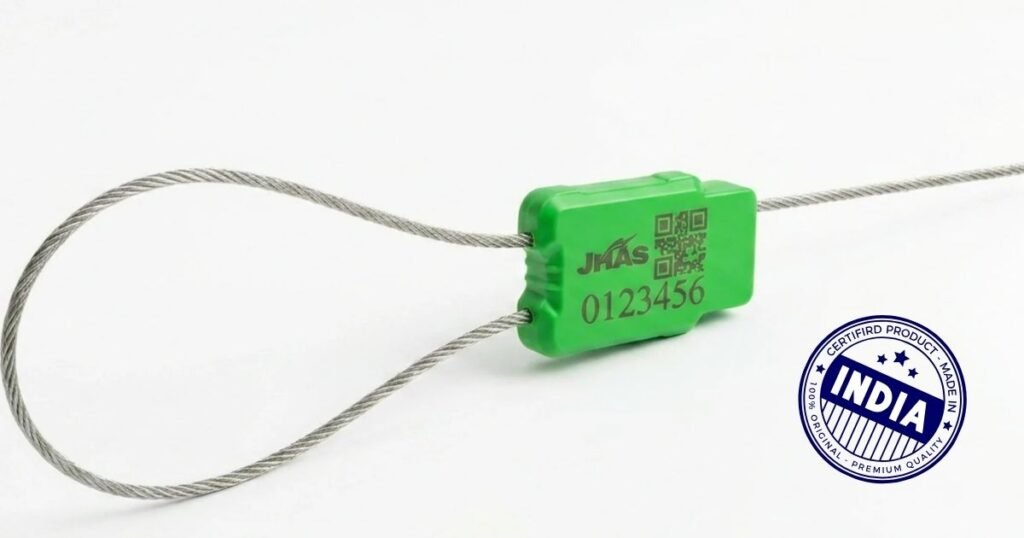
The first step in any inspection is confirming the metal wire rope cable seals serial number matches what was recorded at the point of application, whether that is a container loading log, a tanker dispatch record, or an equipment maintenance sheet. JHAS
Checking the locking body for physical damage
Inspectors should look closely at the seal’s locking body for cracks, deformation, or signs of forced entry, since a compromised body can indicate tampering even when the wire itself appears intact.
Examining the wire rope for cutting or splicing
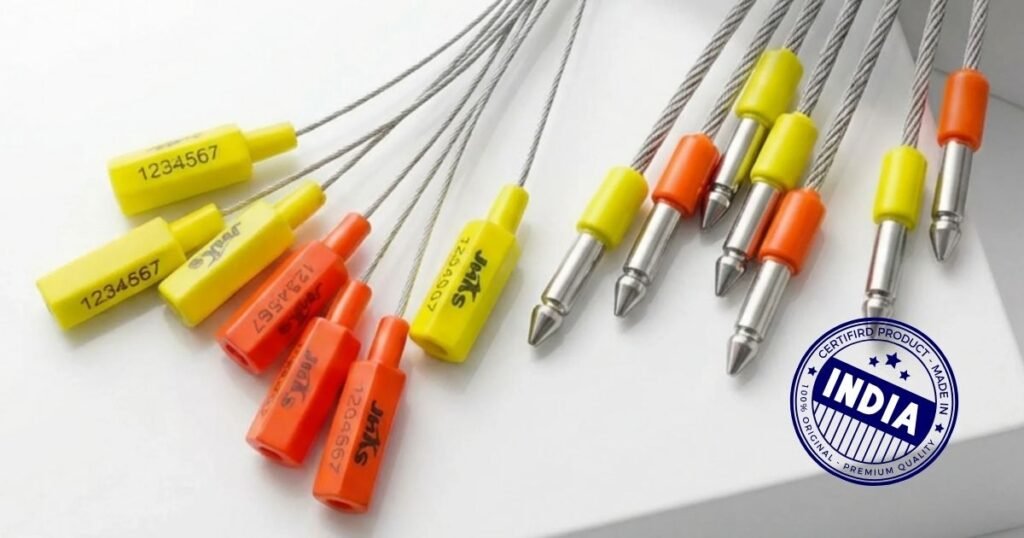
The metal wire rope cable seals should be checked along their full length for any sign of cutting, re-splicing, or replacement, since a sophisticated tampering attempt sometimes targets the wire rather than the lock body. Follow us JHAS
Verifying the lock engages properly
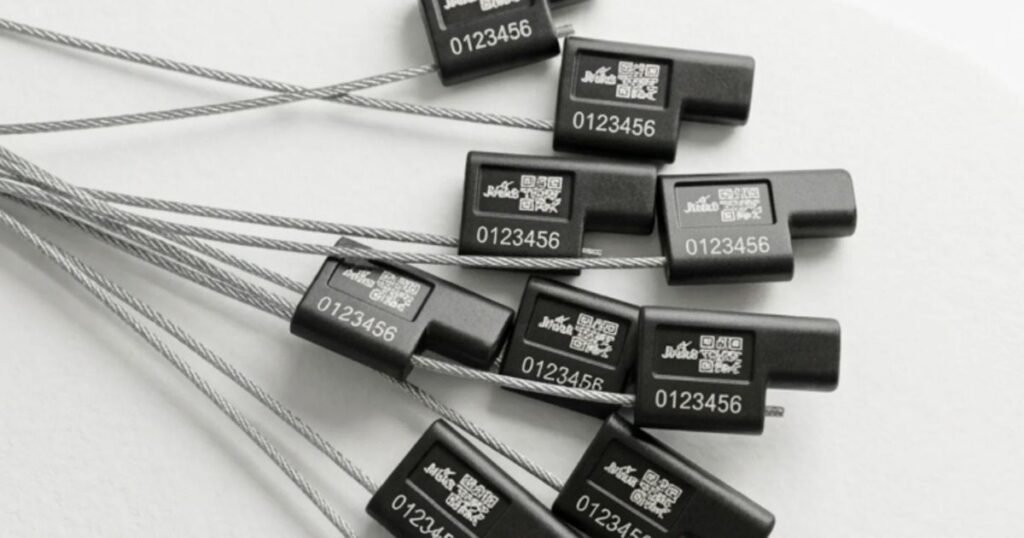
Where applicable, inspectors should confirm the locking mechanism is genuinely engaged and not merely appearing closed, since a seal that looks locked but is not properly seated provides no real security. JHAS
Documenting the inspection consistently
Recording each inspection, including the date, inspector, and condition observed, builds an audit trail that becomes valuable if a dispute or investigation arises later regarding cargo or equipment integrity.
Training staff to recognize tampering signs
Inspection quality depends on staff actually knowing what tampering looks like, so periodic training on recognizing altered wire, damaged locking bodies, and mismatched serial numbers supports a more reliable inspection process overall. Follow us, JHAS