What double lock actually mean?
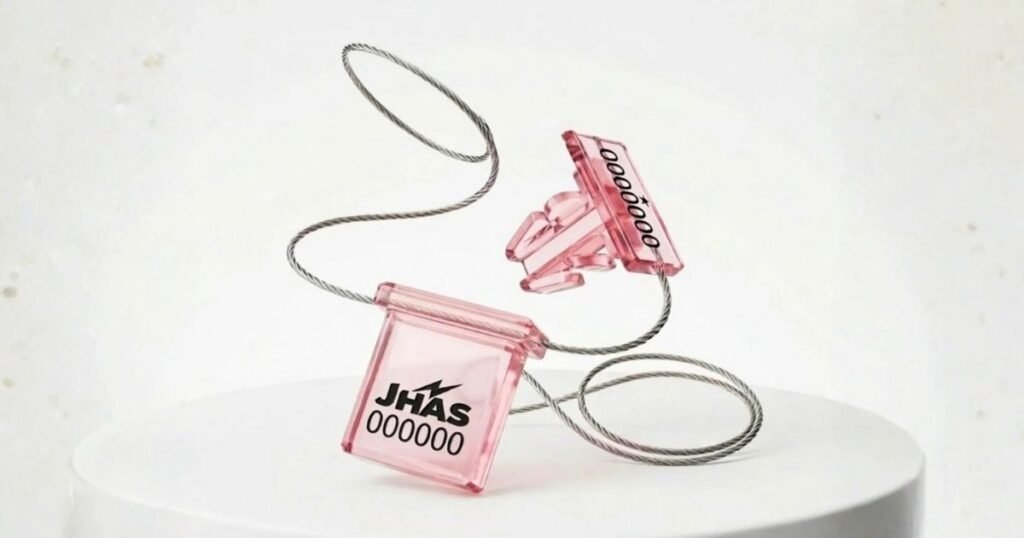
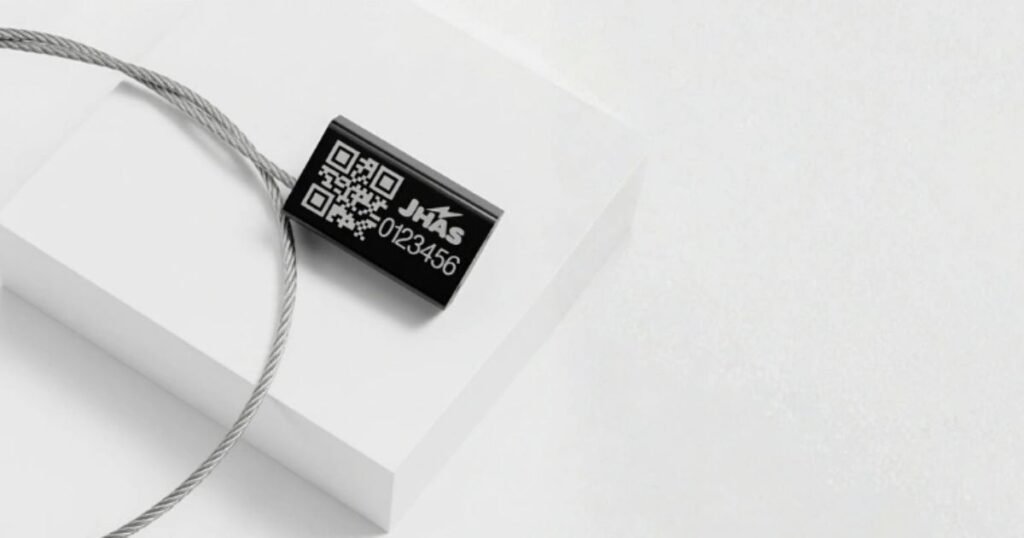
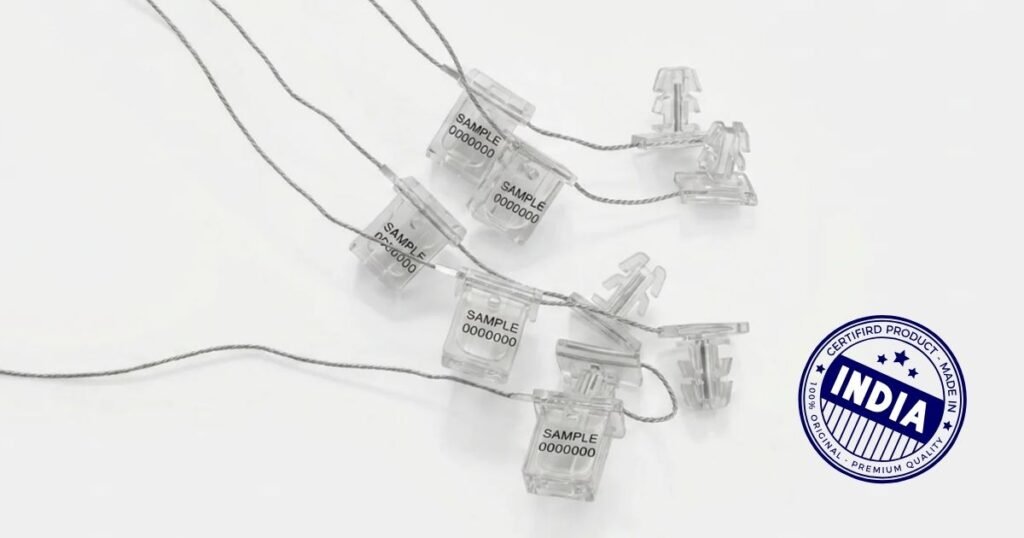
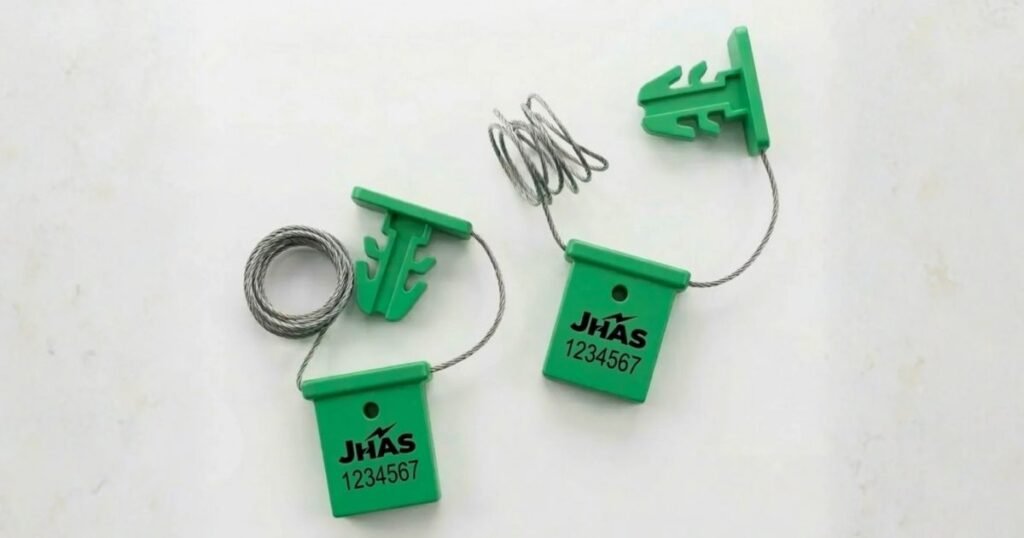
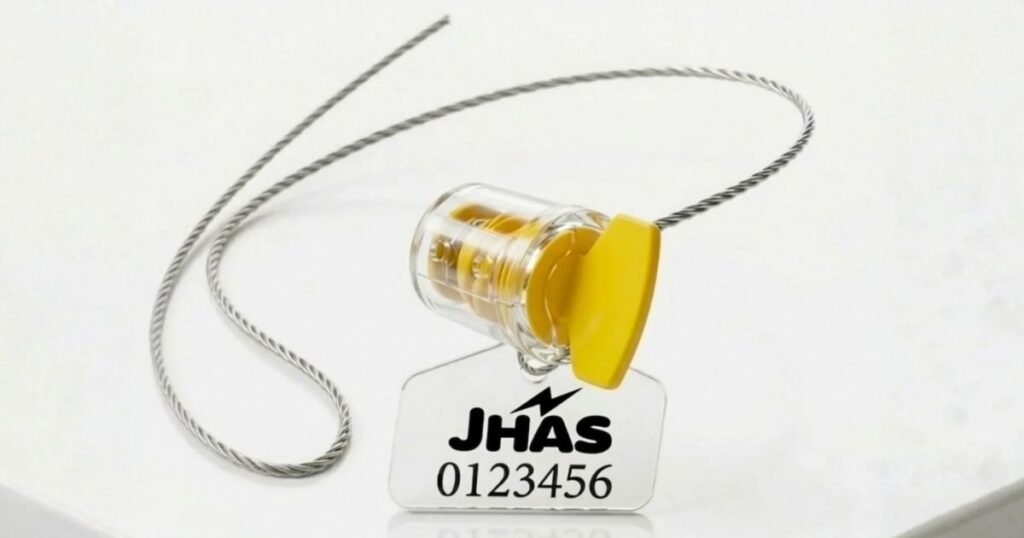
The Jhas DL-PC Double Lock Seal uses a double-stage locking mechanism, meaning the wire or strap passes through two separate locking points inside the polycarbonate meter seal’s body before it is fully secured. This design makes it meaningfully harder to defeat than a single-stage seal, since an attempt on one lock stage does not fully release the seal. Jhas Industries
What triple lock adds
The TL-PC Triple Lock Wire Seal extends this same principle with a third locking stage, adding another layer of resistance to tampering. This configuration suits higher-risk applications, energy meters in areas with a documented history of tampering attempts, ATM cassettes, or cubicles protecting higher-value equipment, where the added security stage is worth its marginal cost.
[Image pending—Comparison of double lock and triple lock] Polycarbonate Meter Seals Seal Mechanisms
Where double lock is the right choice
For standard residential and commercial electricity, gas, and water meter installations without a higher tampering risk profile, the double lock configuration typically provides sufficient security at a lower cost per unit, which matters considerably when a utility is ordering seals in the tens or hundreds of thousands. Follow us at Jhas Industries
Where the triple lock earns its added cost
Triple lock seals make more sense on containers, trucks, and ATM cassettes, where the seal is protecting higher-value or higher-risk contents, and on cubicles or energy meters in locations flagged for prior tampering incidents, where the additional lock stage provides genuine deterrent value. Jhas Industries
Cost is not the only factor.
Beyond unit price, consider inspection frequency. A meter inspected frequently might reasonably use a lower security-tier seal, since any tampering gets caught quickly regardless. A Polycarbonate Meter Seals seal inspected only annually benefits more from the added resistance a triple-lock configuration provides, since tampering has much longer to go undetected.
Making the decision for your organization
The right choice depends on your specific risk profile, inspection cadence, and budget constraints, not a blanket rule that applies identically across every installation. Larger utilities sometimes use a mixed approach, with standard double-lock seals across most of their service area, with triple locks reserved for higher-risk zones. Follow us Jhas Industries