Why the checklist matters more on these specific routes
Shipments moving into the United States generally fall under C-TPAT expectations, and those moving into the European Union increasingly align with the EU’s Authorised Economic Operator, or AEO, framework, both of which build on the same underlying ISO 17712 seal classification system. Neither program treats the seal as an afterthought. A shipment arriving with a non-compliant, mismatched, or undocumented seal can get flagged for inspection regardless of how clean the rest of the paperwork is, and that inspection alone can add days to a delivery timeline. JHAS Industries
Before the container is packed
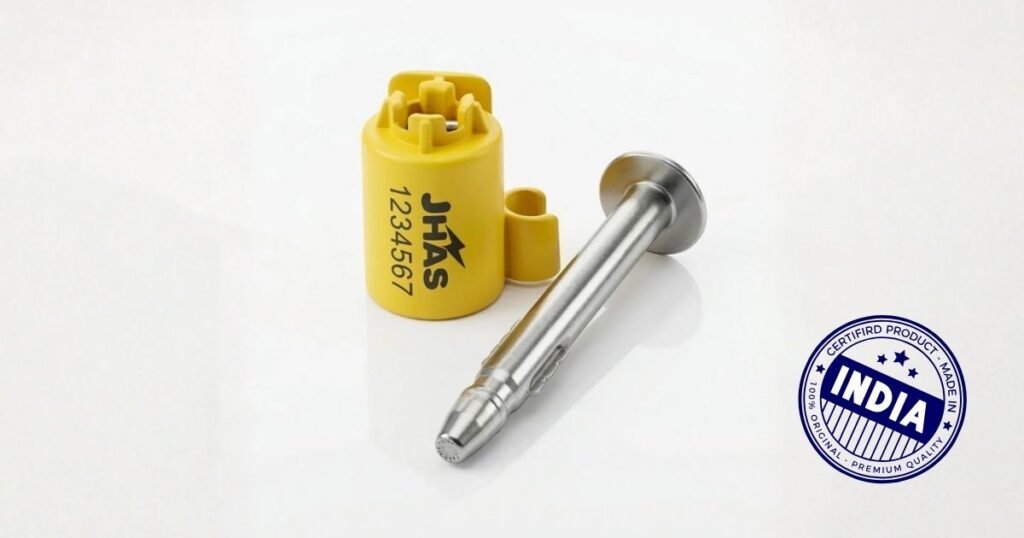
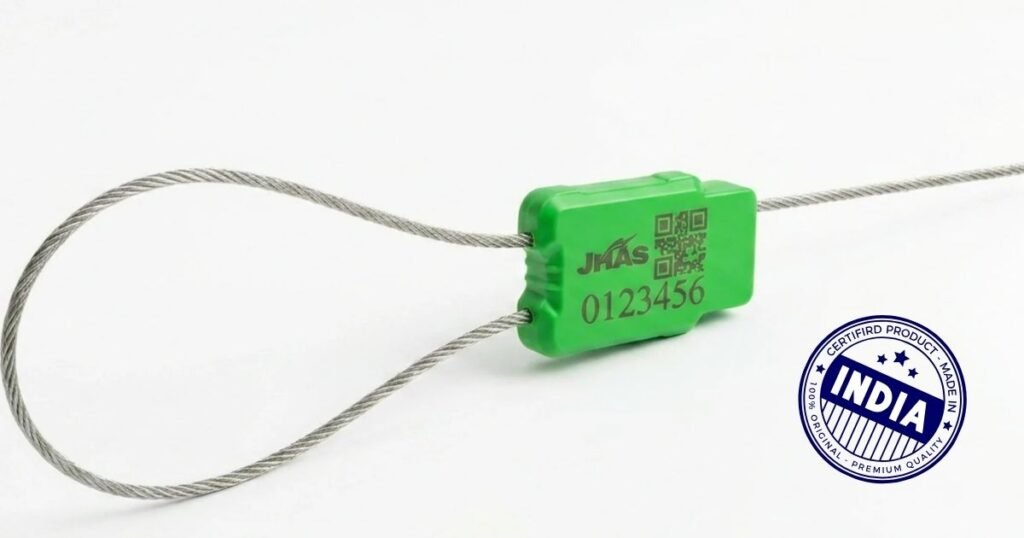
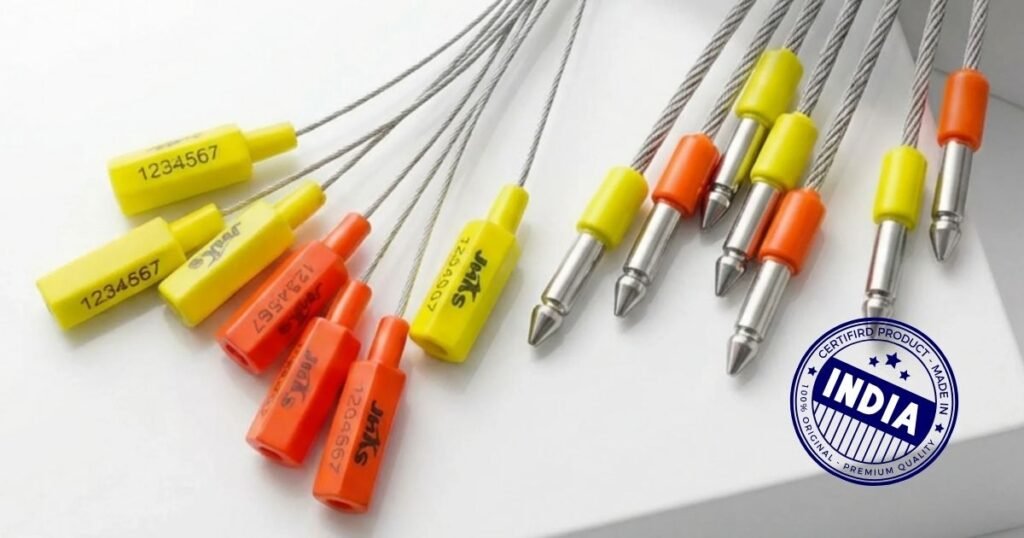
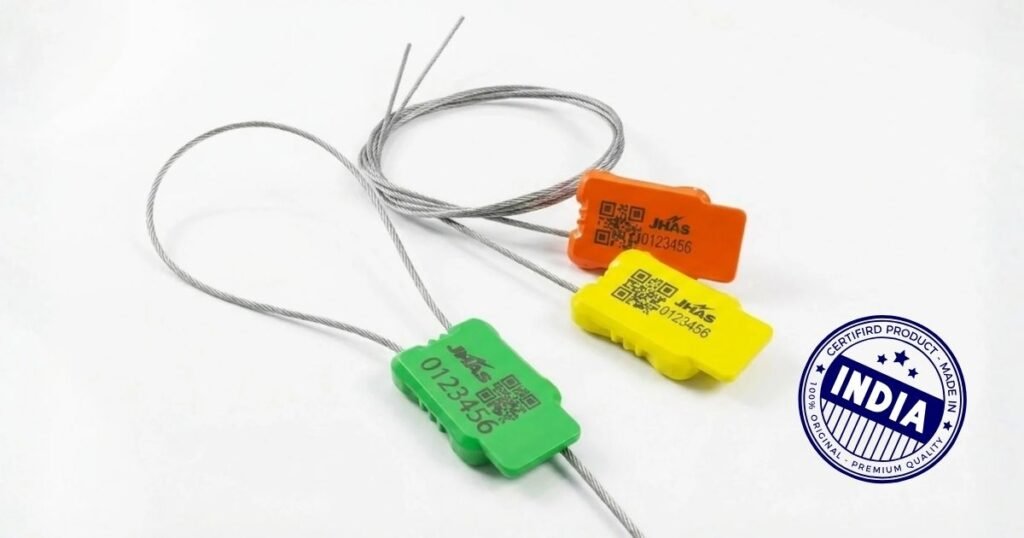
Confirm the container seal type matches what the destination route actually requires, generally an ISO 17712 H-rated bolt or cable seal for these lanes, not the S or I classifications that suffice for lower-risk domestic freight. Check that the specific batch of seals being used carries current compliance documentation from the manufacturer, since certification applies to a tested product line and facility, not to the seal format in the abstract. Confirm your freight forwarder or customs broker hasn’t specified an additional requirement beyond the baseline; some destination ports or specific importers add their own seal or documentation preferences on top of the regulatory minimum. Follow us JHAS Industries
Why a checklist beats relying on memory
Export teams handling dozens of shipments a week rarely fail this process because nobody knows the steps, they fail it because a busy loading yard makes it easy to skip a step under time pressure, especially on a day when multiple containers are being sealed back-to-back. A simple printed or digital checklist, ticked off at each stage, costs a few minutes per shipment and catches exactly the kind of small omission that turns into a multi-day port delay later.
At the point of sealing
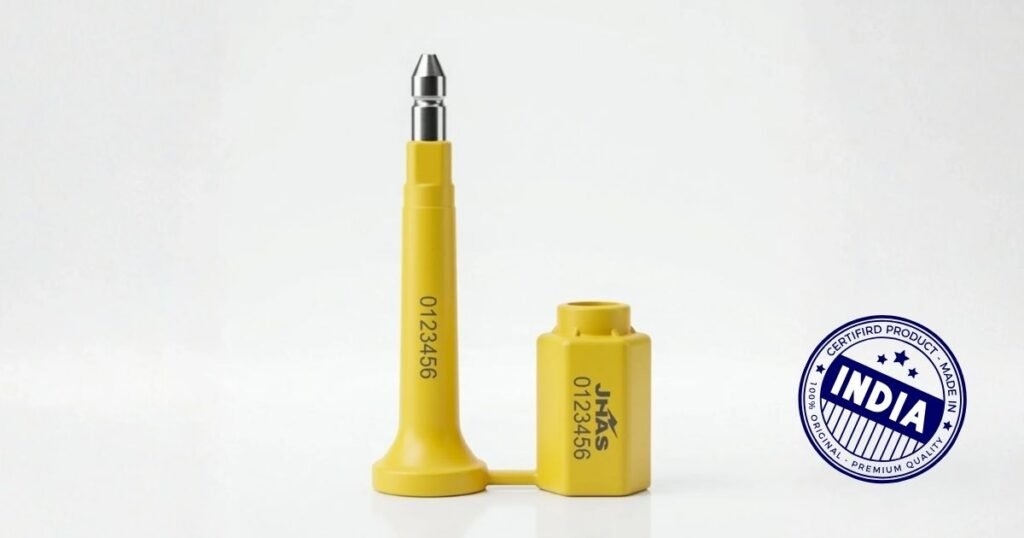
Apply the seal and record its number against the container number immediately, not at the end of the loading shift when details are more likely to be misremembered or transcribed incorrectly. Photograph the applied seal showing both the container door and the visible seal number, a simple step that costs nothing and can resolve a dispute quickly if a number is later questioned. Store the seal’s compliance certificate and the shipment’s seal number together in your own records, not just with the supplier, since you may need to produce it independently during a customs query. JHAS Industries
Before the container leaves the yard
Cross-check the recorded seal number against the bill of lading and packing list before the truck departs, since this is the last point where a transcription error is cheap and easy to fix. Confirm the gate log; if your facility keeps one separately from the shipping documents, it matches the same number, since a mismatch between internal records is often where disputes actually originate. Follow us JHAS Industries