Incorrect application leaving the seal unlocked
One of the most common failure modes is simple human error at application, where staff believe a seal is locked when the mechanism has not actually engaged fully. Training and a habit of tugging to confirm the lock catches this before it becomes a real problem. JHAS
Selecting a seal with insufficient security rating for the application
Using a lighter-duty cable seals on a higher-risk application, expecting it to resist tampering it was never designed to withstand, sets up a mismatch that no amount of correct application can fix. Matching seal type to actual risk level prevents this failure mode entirely.
Environmental degradation from unsuited material choice
Using a cable seals not rated for the environmental conditions it will actually face, extreme cold, UV exposure, and corrosive atmosphere, can lead to premature material failure that compromises tamper evidence over time rather than at the point of application. Follow us JHAS
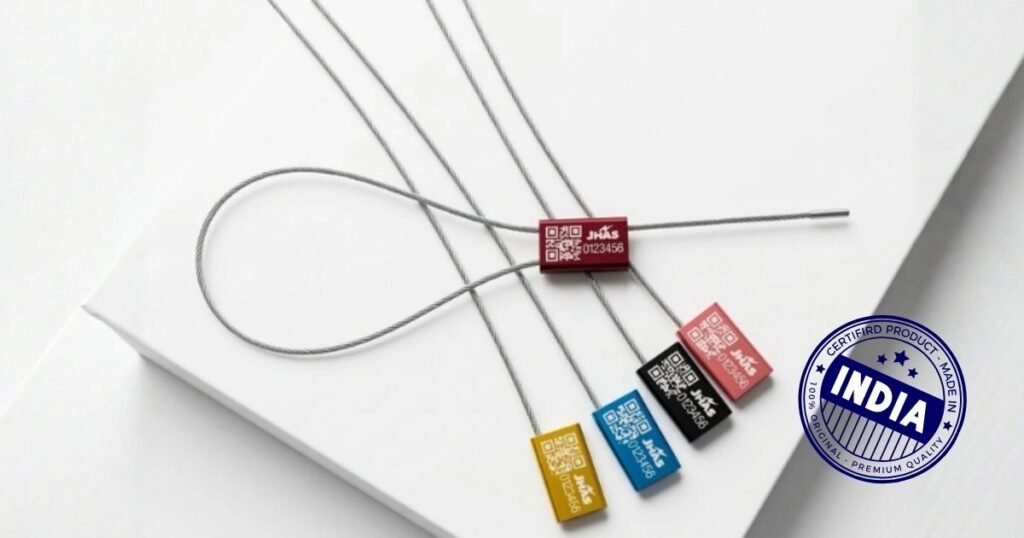
Recordkeeping gaps that undermine detection
A physically intact seal provides little protective value if no one is actually checking its serial number against records, meaning a recordkeeping gap functions as a failure mode even when the physical seal itself performed correctly. JHAS
Deliberate tampering designed to evade detection
Sophisticated tampering attempts sometimes aim to defeat a cable seals in ways that are not immediately obvious, careful re-splicing, precise replacement, making thorough, trained inspection essential rather than a quick visual glance.
Why supplier quality affects failure rates directly
Sourcing cable seals from a manufacturer with documented quality control, discussed throughout broader manufacturing content, reduces the likelihood of failure caused by inconsistent materials or assembly defects in the first place.