What a numbering program is actually solving for
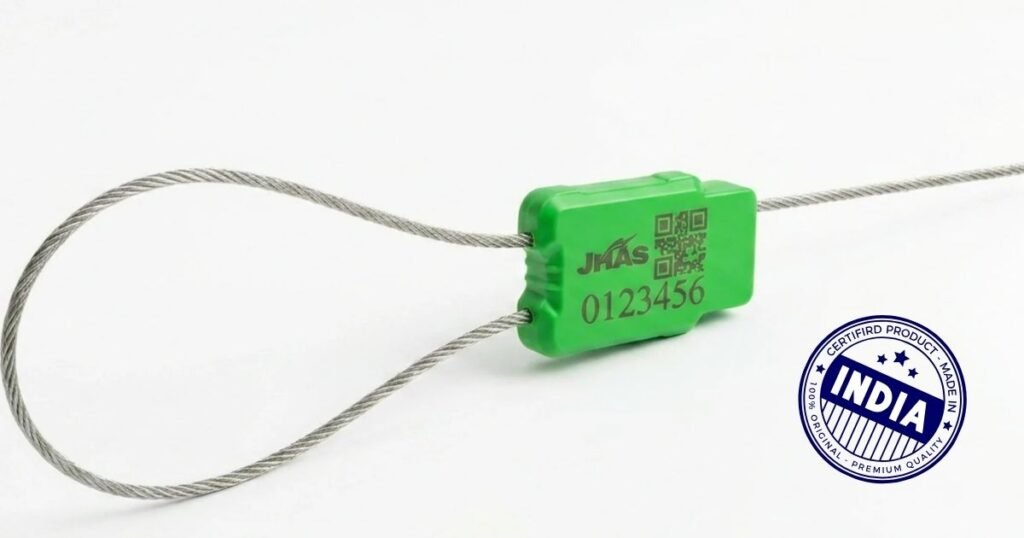
Every meter seals carries a unique serial number, but the number alone only becomes useful when it’s tied to a system that records which number was issued to which meter, on which date, and by which technician or contractor. Without that record, a serial number is just a string of digits with no context to check against. A functioning numbering program treats the seal number as the start of a data trail, not the end of one, feeding into whatever asset management or billing integrity system the utility already runs. JHAS Industries
Why does color coding work, but numbers can’t?
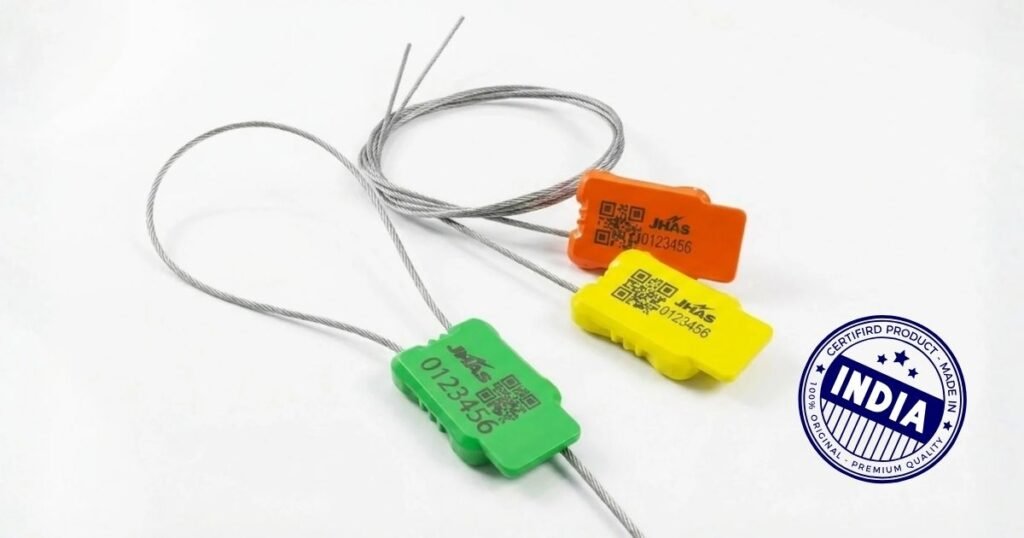
Reading and cross-referencing a serial number takes time and usually requires a device or a printed list on hand. Color is instant. A field team that knows this year’s installation color is blue can walk a row of meters and immediately spot the one still wearing last year’s green seal, without pulling out a scanner or a reference sheet. This is especially valuable during large-scale replacement programs, where thousands of meters need to be resealed over months, and color gives supervisors a fast visual way to track rollout progress across a service area without waiting on data entry to catch up.
Common structures utilities use
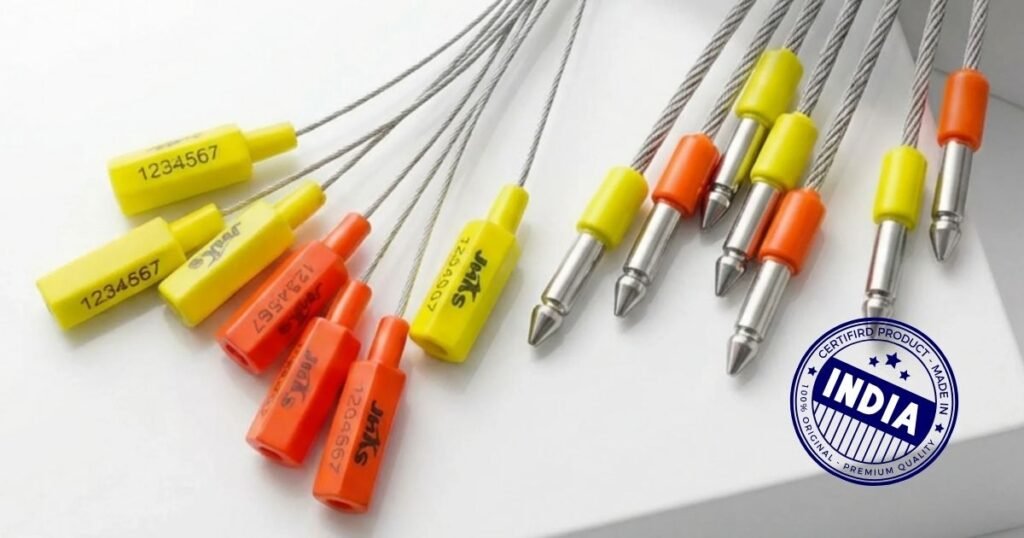
Colour by installation year is probably the most common scheme, letting a utility spot overdue meters at a glance years into a rollout. Colour by contractor or field team is useful where multiple crews are working the same service area simultaneously, since it clarifies accountability if a particular batch later shows quality issues. Color by region or depot works well for larger utilities managing several service areas from a shared seal inventory, keeping stock and issuance cleanly separated without needing entirely different serial ranges for each area. These aren’t mutually exclusive. A utility might combine year-based colour with region-specific serial number blocks, giving two independent ways to sanity-check a seal’s origin against its physical location. Follow us JHAS Industries
How this pays off during an actual dispute
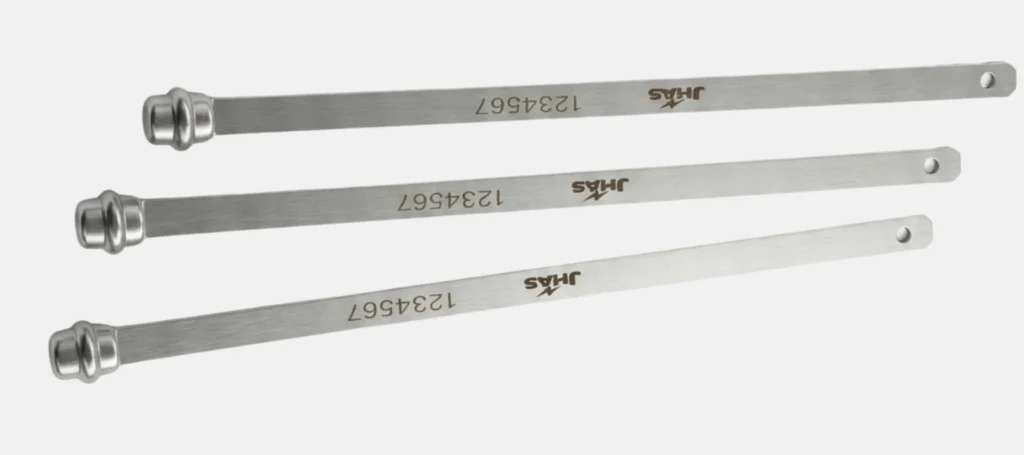
The meter seals of a color and numbering program isn’t the routine field check; it’s what happens when a customer disputes a bill and claims their meter was never properly sealed or was tampered with before the disputed period. A utility that can pull up exactly which color and serial batch was installed at that meter, cross-referenced against the technician who applied it and the date, resolves that dispute with a documented answer rather than a guess. Without that record, the same dispute often ends up settled in the customer’s favor by default, simply because the utility has no way to counter the claim. JHAS Industries
Setting up serial ranges that don’t collide
The most common operational mistake in a growing meter seal program isn’t choosing the wrong color scheme; it’s issuing overlapping serial ranges to two different depots or contractors who don’t coordinate directly with each other. This usually surfaces months later, when two meters somewhere in the network turn out to share the same serial number, undermining the traceability the whole program exists to provide. Centralizing range allocation, even for a utility running a decentralized field structure, avoids this before it becomes a records-reconciliation headache. Follow us JHAS Industries