Start with the gap, not the catalogue.
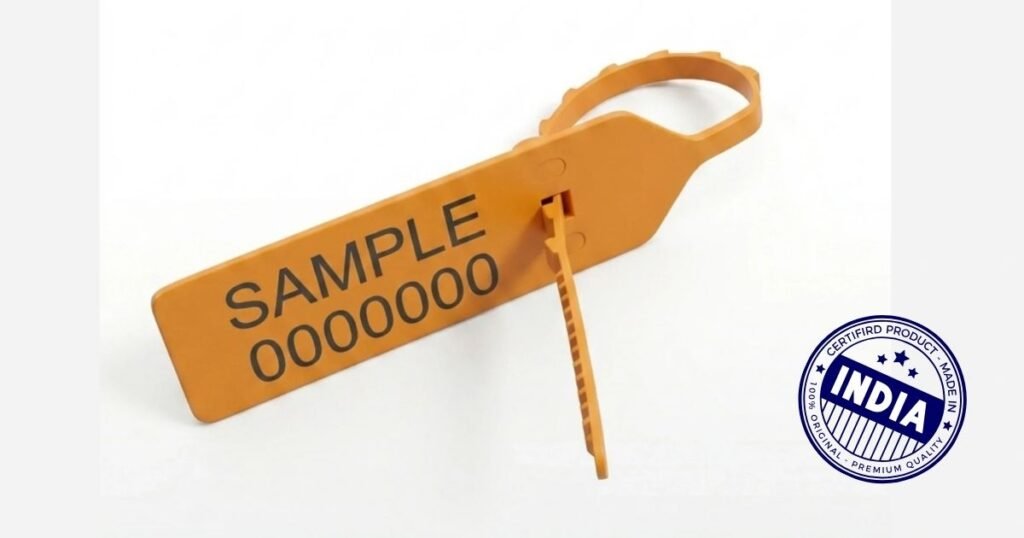
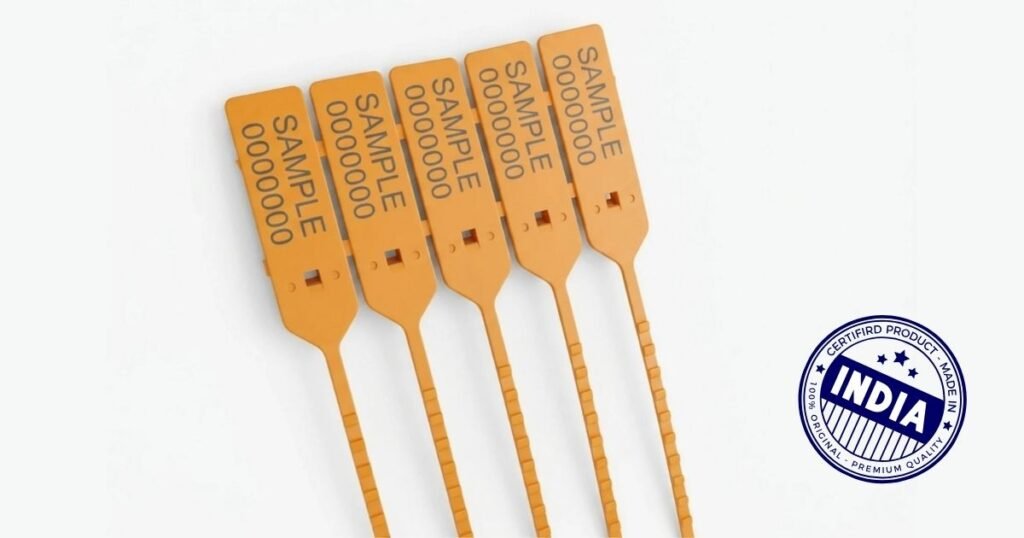
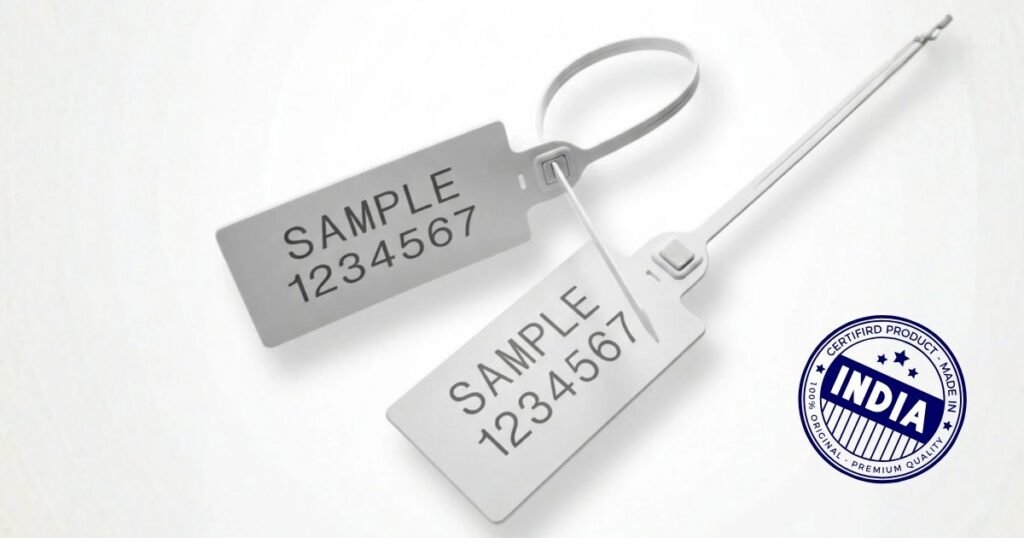
Plastic pull-tight sealsspec sheet leads with break strength, but the first real question is much simpler. How wide is the opening the seal has to close? A courier bag zip might need only 150 mm of usable strap. A tarpaulin flap on a flatbed truck can need 300mm or more before it even reaches the ratchet teeth. Ordering a single “standard” length across every application usually means someone is either forcing a seal that barely fits or wasting several unused inches of strap on the other end, both of which weaken the point where the strap locks. A quick way to avoid this is to measure the largest gap in your product line first, then check whether one length covers everything or whether you genuinely need two SKUs. Most operations are surprised to find one adjustable length, in the 200 to 250mm range, covers 80 percent of their use cases once they actually measure instead of guessing. JHAS Industries
What break strength numbers actually mean day to day
Plastic pull-tight seals are typically rated in kilograms of pull force before the strap fails, commonly somewhere between 8 kg for light applications and 32 kg or higher for heavier-duty versions. That number describes how much force it takes to snap the strap in a straight pull test, not how hard it is to defeat with a blade, since any pull-tight seal can be cut in seconds regardless of its rated strength.In practice, break strength mostly matters for two things. Whether the seal survives ordinary handling without snapping accidentally, which would create false tamper alarms, and whether it holds under load if the sealed item shifts in transit, such as a loosely packed sack pressing against the seal during a bumpy road journey. A courier bag rarely needs more than a light-duty rating. A tanker valve or a heavy tarpaulin sees far more mechanical stress and benefits from the higher end of the range.
Matching material to the environment
Standard seals use high-density polyethylene or polypropylene, both of which hold up fine indoors or for short transit windows. Seals that sit outdoors for extended periods, on a rail wagon sitting in a yard for days or a drum stored in the open benefit from a UV-stabilized compound, since untreated plastic can turn brittle and discolored within a few months of direct sun exposure, undermining the seal’s reliability well before its intended service life ends.Cold storage brings the opposite problem. Some plastics stiffen and become prone to cracking below a certain temperature, which matters for pharma and food distribution running through refrigerated trucks and cold rooms. If your seals will regularly cross a cold chain boundary, it is worth confirming the compound’s low-temperature rating with your supplier rather than assuming all plastic performs the same in the cold. Follow us JHAS Industries
Why over-ordering strength is a false economy
It’s common for a buying team to default to the heaviest-duty seal across an entire product line, reasoning that stronger is always safer. In practice this usually just adds cost without adding real protection, since a pull-tight seal’s security value comes from tamper evidence, not resistance to cutting. A 32kg strap costs more per unit than an 8kg one, and if the application is a courier bag that only ever needs to survive ordinary handling, that extra cost buys nothing but a thicker strap. The smarter approach is sizing strength to the mechanical stress the seal will actually face in transit, then reserving the higher ratings for applications where load shift or rough handling genuinely warrants it. JHAS Industries
A short sizing checklist before you order
-Measure the largest and smallest gaps across your actual applications, not a rough estimate. -Pick a break strength rating based on mechanical stress in transit, not just perceived security value. – Confirm the plastic compound if seals will sit outdoors, in a cold chain, or near heat sources. – Order a small sample batch in the length and strength you think you need before committing to a full production run. Follow us JHAS Industries