Why temperature swings challenge some seal materials
Cargo moving between a cold storage facility, a refrigerated vehicle, and a receiving warehouse experiences real temperature fluctuation, and some seal materials can become brittle or lose integrity under repeated cold-to-warm cycling if not properly rated for the exposure. JHAS
How metal cable seals handle cold exposure reliably
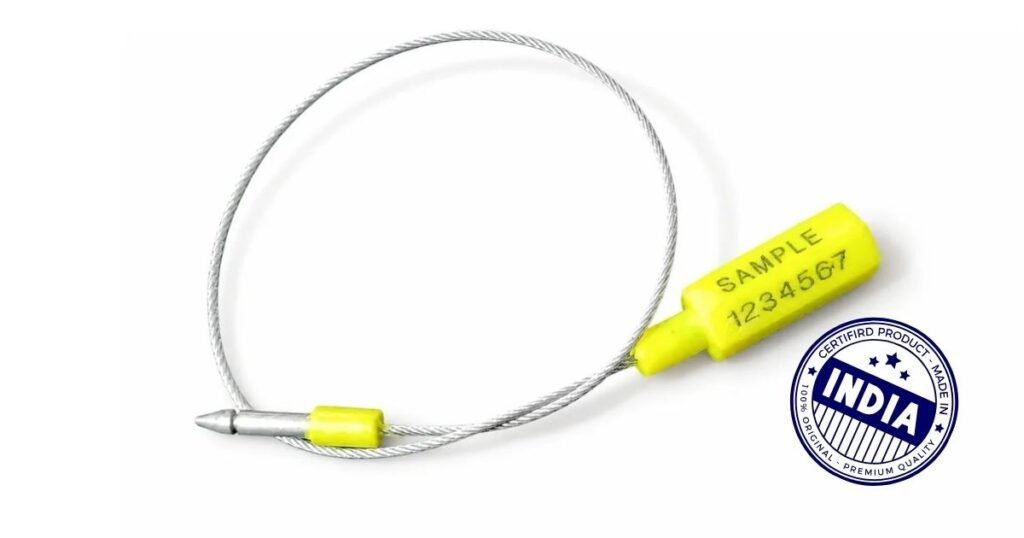
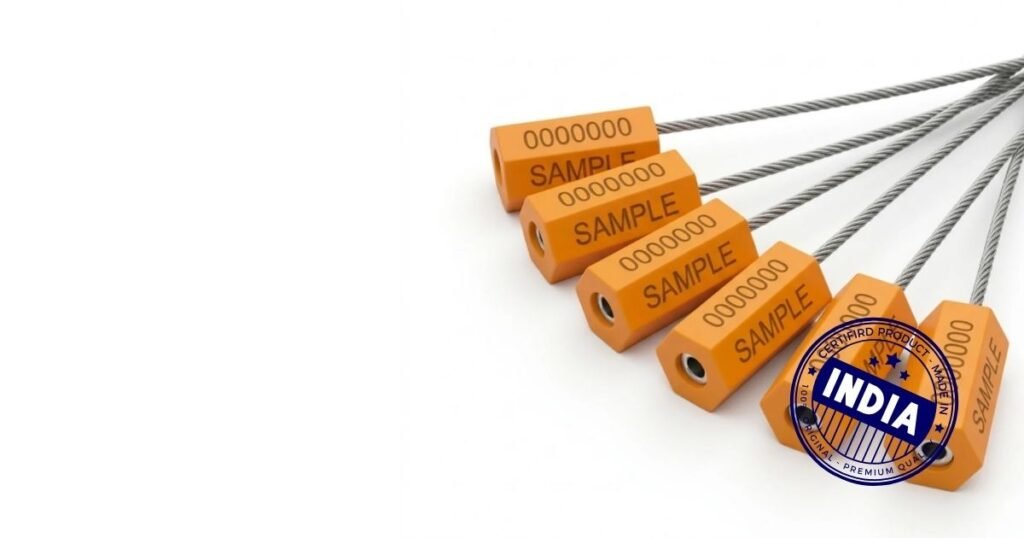
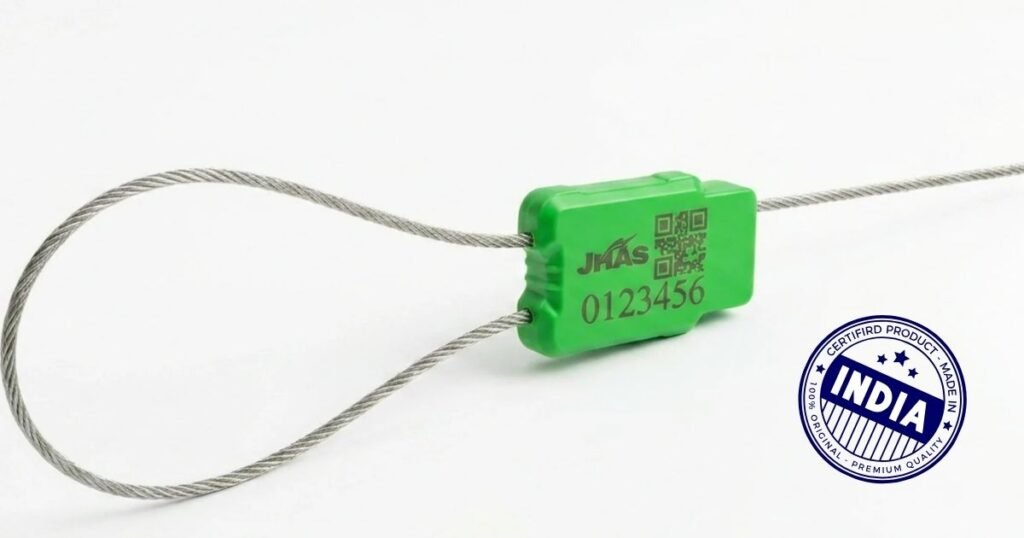
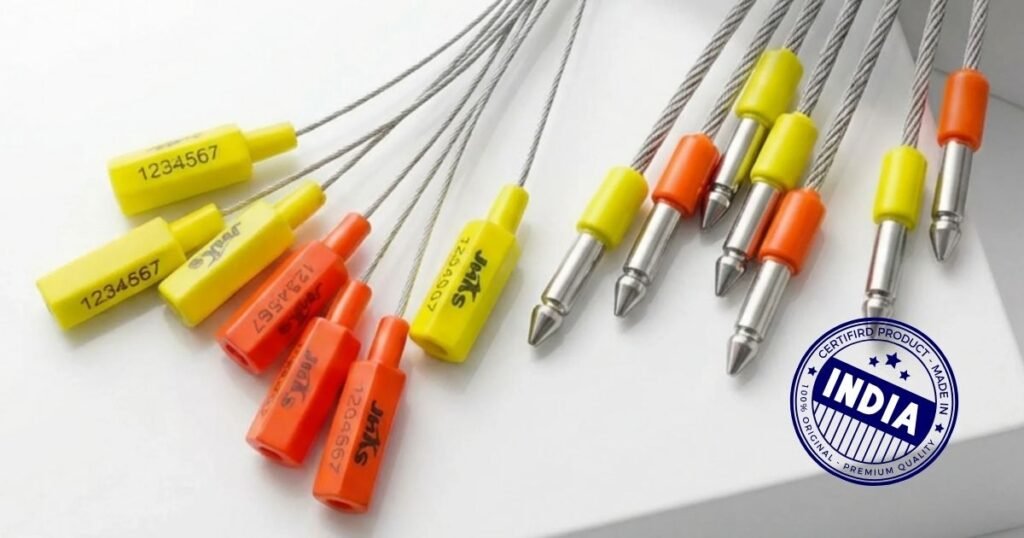
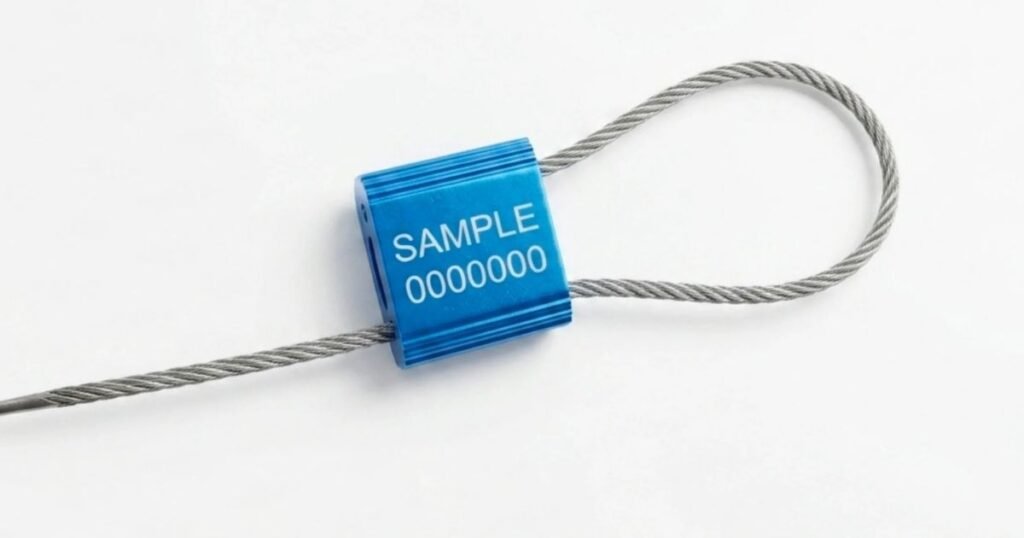
Metal cable seals generally maintain their mechanical integrity across a wider temperature range than some plastic alternatives, making them a dependable choice for refrigerated container doors and cold storage access points.
Why condensation and moisture resistance matters here
Refrigerated environments generate condensation, and a cable seal’s locking mechanism needs to function reliably even when exposed to repeated moisture, without corroding or seizing in ways that could compromise either security or ease of removal. Follow us JHAS
Documenting the cold chain alongside the security record
Cold chain shipments often already require temperature logging for compliance purposes, and pairing that record with cable seal serial number tracking gives receivers a fuller picture confirming both temperature integrity and tamper-free transit. JHAS
Applications across pharmaceutical and food cold chains
Both pharmaceutical cold chain shipments and perishable food logistics rely on this combination of temperature control and tamper evidence, since a break in either one can compromise the cargo’s safety or usability on arrival.
Choosing cable seals rated for your specific cold chain conditions
Confirming a cable seal’s rated temperature range and moisture resistance against your specific cold chain conditions, rather than assuming any standard seal will perform equally well, helps avoid unexpected failures in the field.