Why container hardware sets the baseline expectation
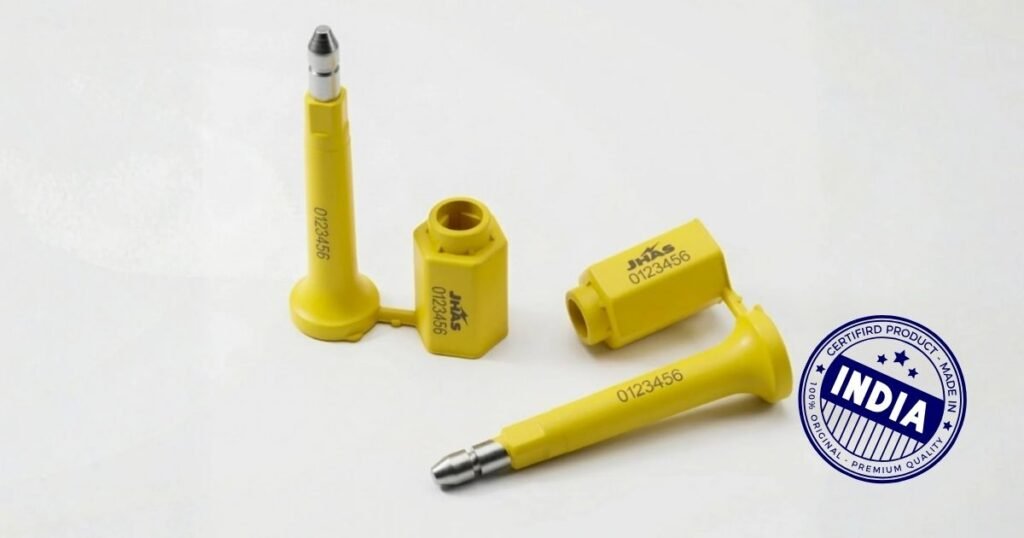
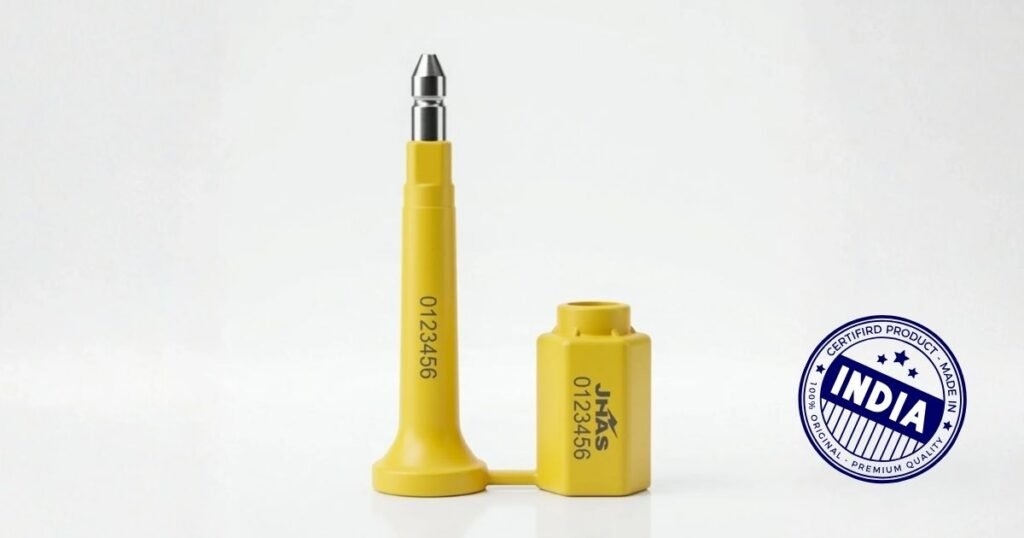
Most Bolt Seals designs and marketing are built around the standard shipping container door, since that’s the highest-volume application globally. A container’s locking rod is a predictable, straight, uniform closure point, which is exactly what a rigid bolt seal is optimized for. This baseline design assumption doesn’t automatically transfer cleanly to tanker valves or rail wagon hardware, both of which have their own quirks that a container-optimised seal doesn’t always accommodate well. JHAS Industries
What’s different about tanker sealing points?
Road and rail tankers typically seal at the valve or dome cover rather than a door, and these closure points vary more in shape and spacing across manufacturers and tanker ages than standard container doors do. Some tanker valve hardware needs a slightly longer pin or a specific head profile to seat correctly, and using a generic container bolt seal can result in either a poor fit or a seal that technically closes but doesn’t fully engage the locking geometry the way it should. Tankers also frequently carry hazardous or regulated materials, which sometimes brings an additional layer of sealing requirements specific to the substance being transported, worth checking against your own regulatory obligations rather than assuming a standard bolt seal automatically covers it.
What’s different about rail wagon hardware
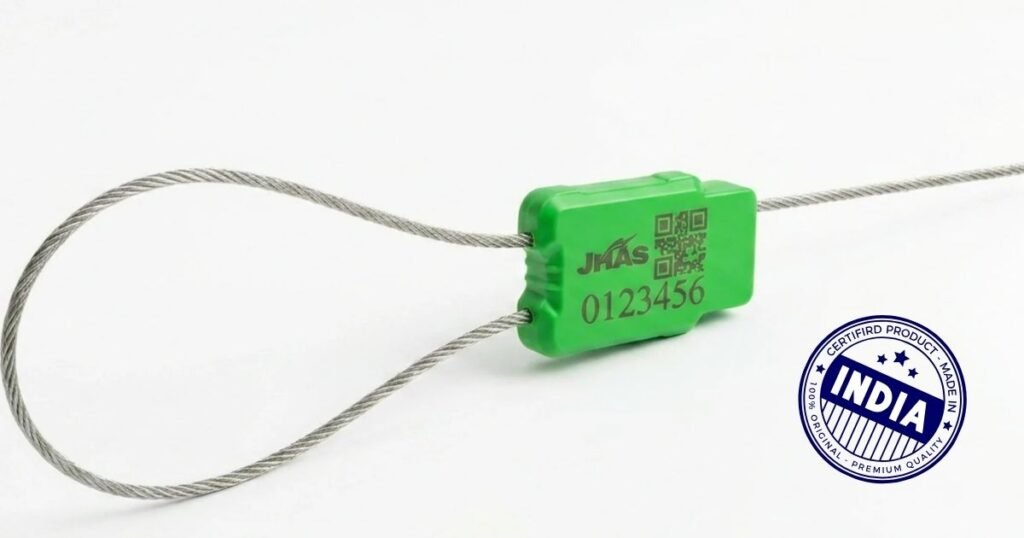
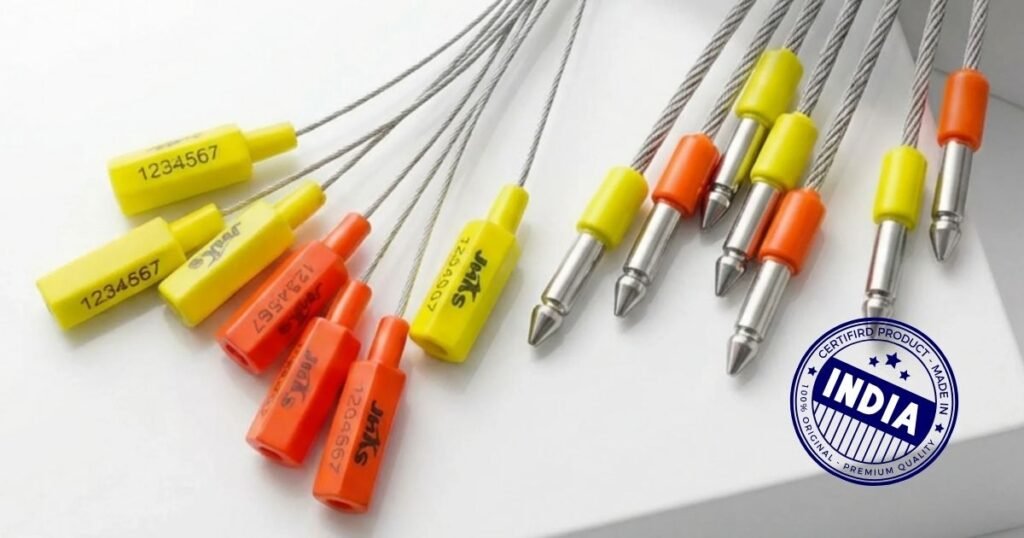
Rail wagons, particularly older rolling stock still common on many freight networks, often have hasps and latch points that were never standardised to the same degree shipping containers were. A bolt seal built strictly to container door dimensions can be too short, too long, or the wrong head shape to seat properly on some wagon hardware, which is one of the more common reasons cable seals, with their flexible length, get specified for rail freight even where a rigid bolt would otherwise be the stronger choice. Follow us JHAS Industries
Matching the seal to the hardware, not the cargo type
It’s tempting to choose a seal format based on what’s being transported, assuming tankers need one product and containers need another as a blanket rule. The more reliable approach is checking the actual physical closure point on the specific equipment being sealed, since a tanker retrofitted with container-style locking hardware may take a standard bolt seal just fine, while an older rail wagon might need a cable seal regardless of what’s inside it. JHAS Industries
Weather and route conditions add another variable.
Beyond the physical hardware itself, tankers and rail wagons often sit exposed to weather for longer, uninterrupted stretches than a container moving through a port terminal, sometimes parked in a siding or a depot yard for days between legs of a journey. A seal that performs fine in short-cycle container use can face more sustained UV and temperature exposure on these routes, which is worth factoring into material choice alongside the fitment question, particularly for seals that will spend meaningful time sitting stationary and exposed rather than constantly in transit. Follow us JHAS Industries