A locking principle, not just a single product
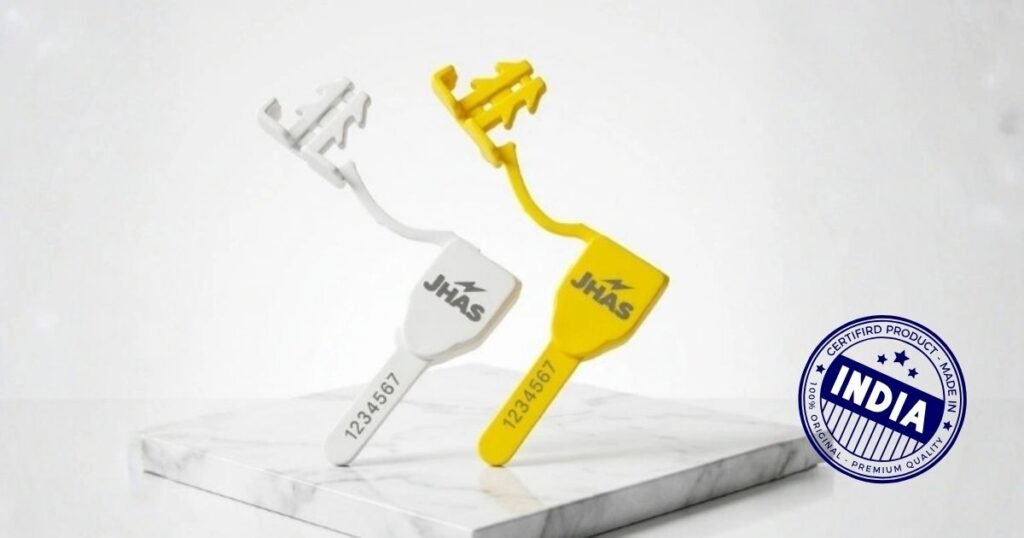
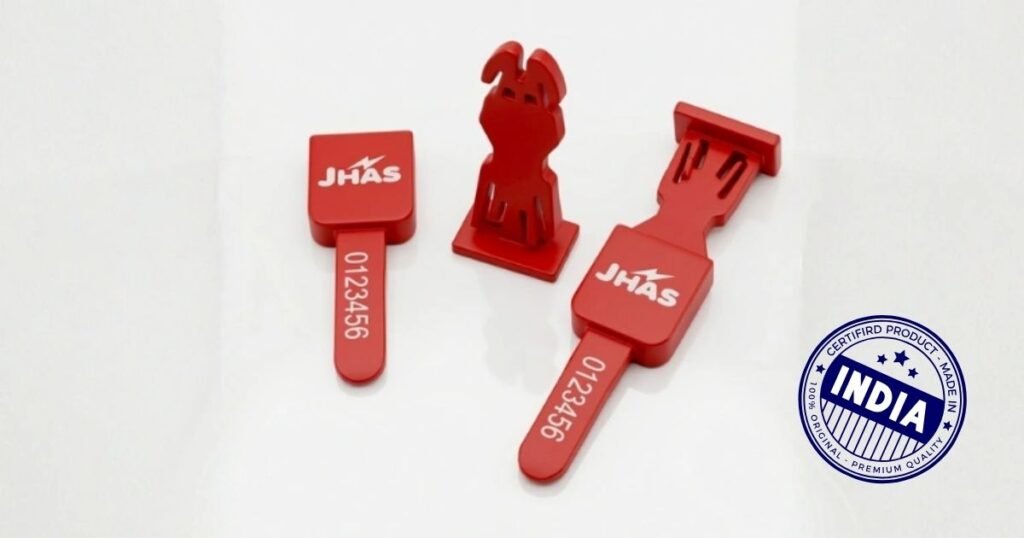
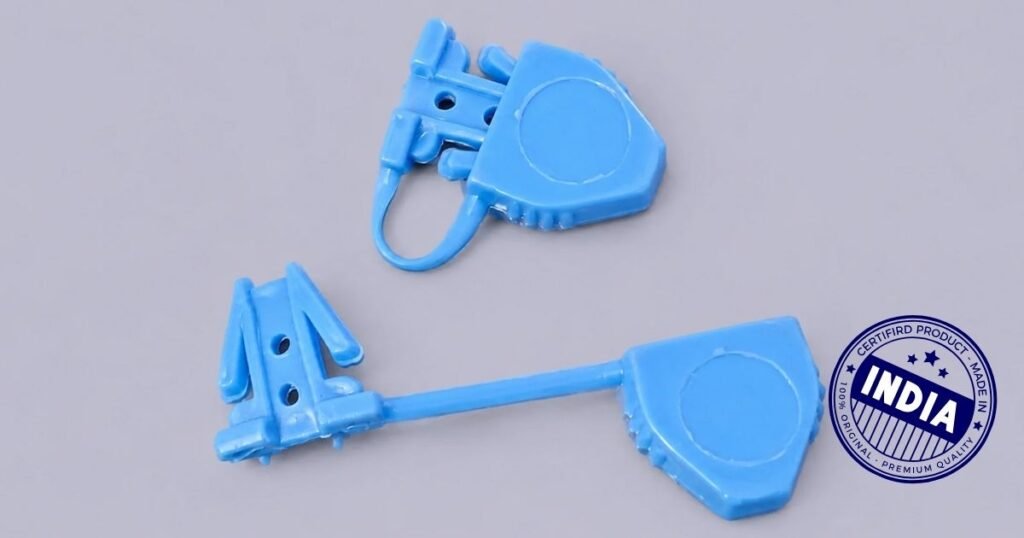
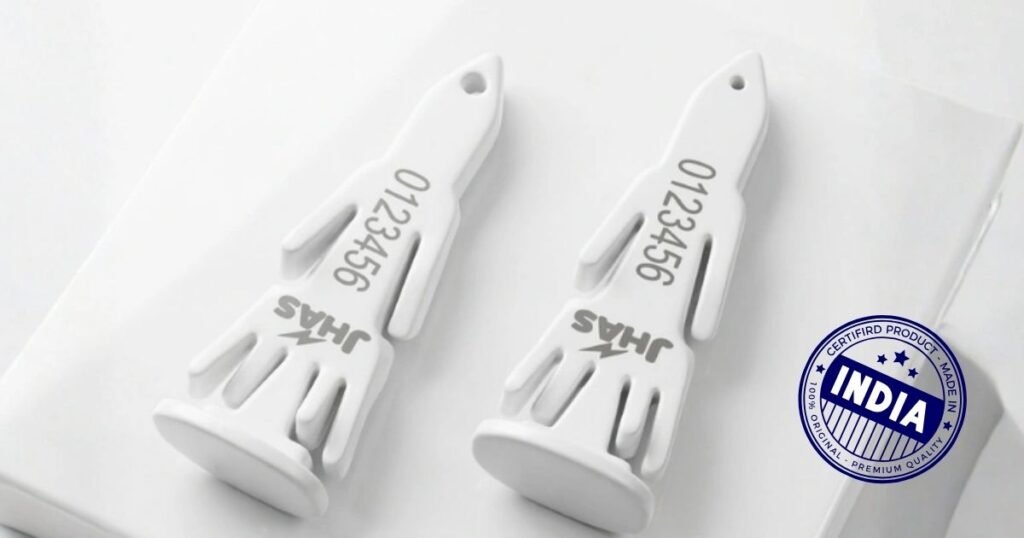
Anchor seals refer to a specific locking mechanism used across several security seal formats, most commonly in thin-wire meter and utility seals, where a wire is threaded through a body and an internal anchoring element permanently flattens or bends it into place, preventing removal without cutting. JHAS Industries
How the anchor mechanism physically works
Once a wire is inserted into an anchor seal’s body, the anchor element inside deforms the wire into a fixed shape, commonly a U-shape or flattened bend, that physically cannot pass back out through the entry point. This mechanical deformation, rather than a spring-loaded clip or friction fit alone, is what gives anchor seals their reliability as a single-use, non-reversible lock.
Why this design resists common tampering attempts
Because the wire is physically reshaped rather than simply gripped, anchor seals resist tampering techniques that work against weaker friction-based locks, such as carefully working a wire back out with tools or lubricant. The deformation is permanent and visible, leaving no ambiguity about whether a seal has been compromised. Follow us JHAS Industries
Material and build considerations
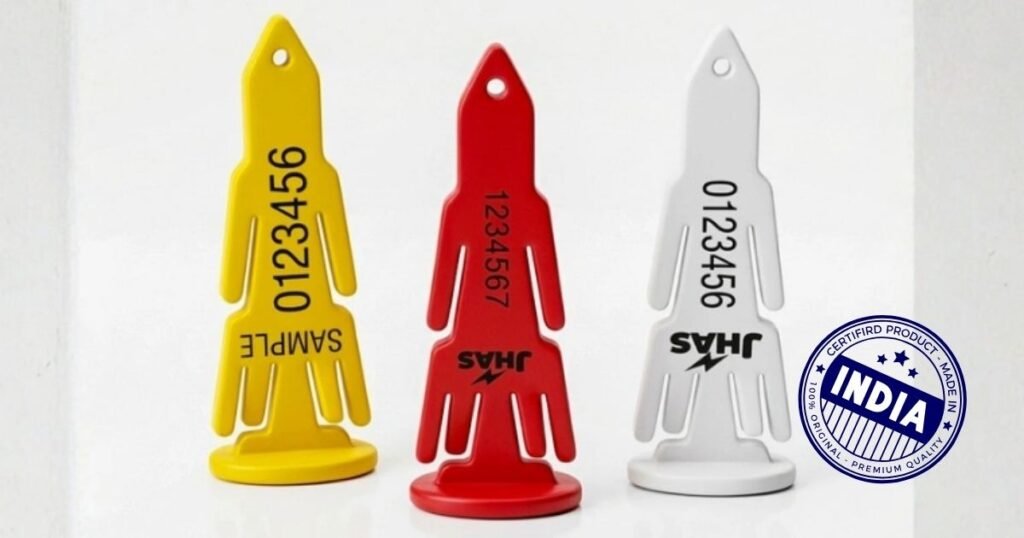
Anchor seals are commonly built with a polycarbonate or high-impact plastic body, chosen for durability and resistance to environmental exposure, paired with a thin stainless steel or similar metal wire suited to the narrow apertures typical of meters, junction boxes, and small enclosure access points. JHAS Industries
Transparent bodies and visual verification
Many anchor seal designs use a transparent or semi-transparent body specifically so an inspector can visually confirm the internal locking mechanism is intact without needing to remove or damage the seal to check, adding a useful verification layer beyond the seal’s exterior numbering.
Where anchor-lock design fits among seal types
Compared to push-fit cable seals used on containers and tankers, anchor seals suit smaller-scale, higher-frequency applications, utility meters, junction boxes, and small enclosures, where a compact, reliable, low-cost lock matters more than the heavier security features needed for large cargo applications. Follow us JHAS Industries