Specifying the right wire before requesting quotes
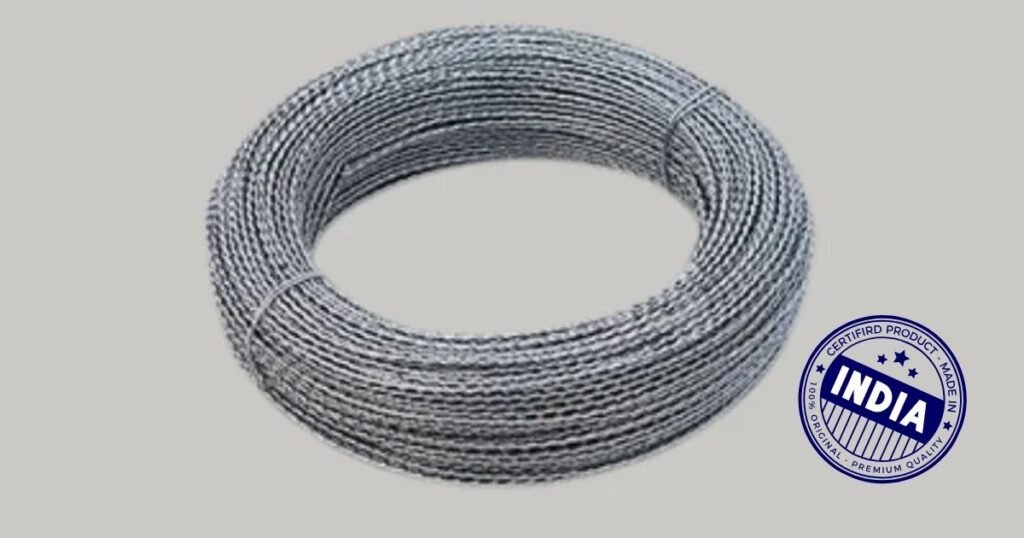
Buyers sourcing sealing wires get far more accurate quotes and recommendations when they arrive with a clear specification already worked out, gauge, material, strand construction, and length, rather than a vague request that leaves the supplier guessing at requirements. JHAS Industries
Matching gauge to your application
Confirm the wire gauge your application actually requires: thinner gauges around 0.75 mm for meter and utility applications, thicker gauges up to 3.5 mm for heavier cable lock uses. Requesting a gauge mismatched to your application either adds unnecessary cost or leaves you under-secured for the risk level involved.
Comparing material options
Ask your supplier about the trade-offs between galvanized steel and stainless steel for your specific environment, since stainless steel offers better corrosion resistance for outdoor or humid deployments while galvanized steel provides solid performance at a lower cost for less demanding conditions. Follow us JHAS Industries
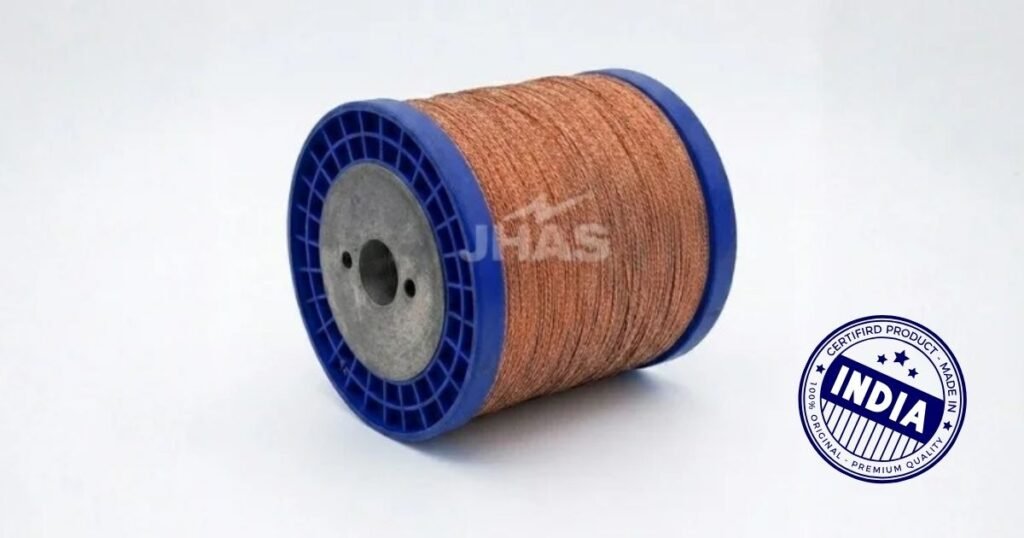
Requesting tensile strength and corrosion test data
For applications where security or safety consequences are significant, ask your supplier for test data supporting the wire’s tensile strength and corrosion resistance, ideally from a recognized testing laboratory, rather than relying solely on general material specifications JHAS Industries
Pre-cut lengths versus spooled wire
Decide whether your operation benefits more from pre-cut standard lengths, simpler for high-volume, standardized applications, or spooled wire that allows custom cutting for varied needs, since this choice affects both your ordering process and your on-site handling requirements.
Understanding MOQ and pricing at volume
Minimum order quantities for sealing wires generally scale with the volume needed for your broader seal production or deployment, and per-unit or per-meter costs typically improve meaningfully at higher order volumes. Ask for tiered pricing to plan procurement budgets accurately.