A component that spans multiple seal categories
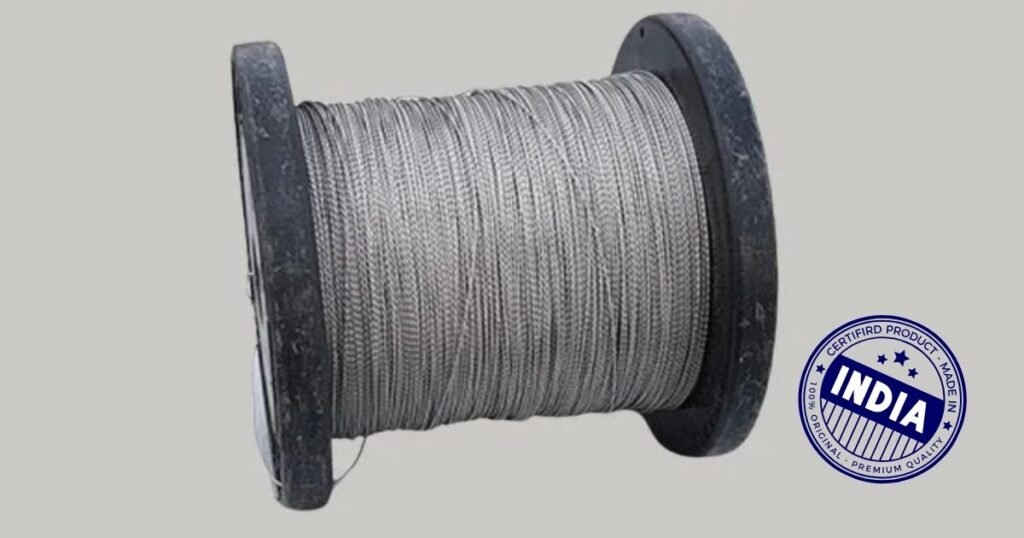
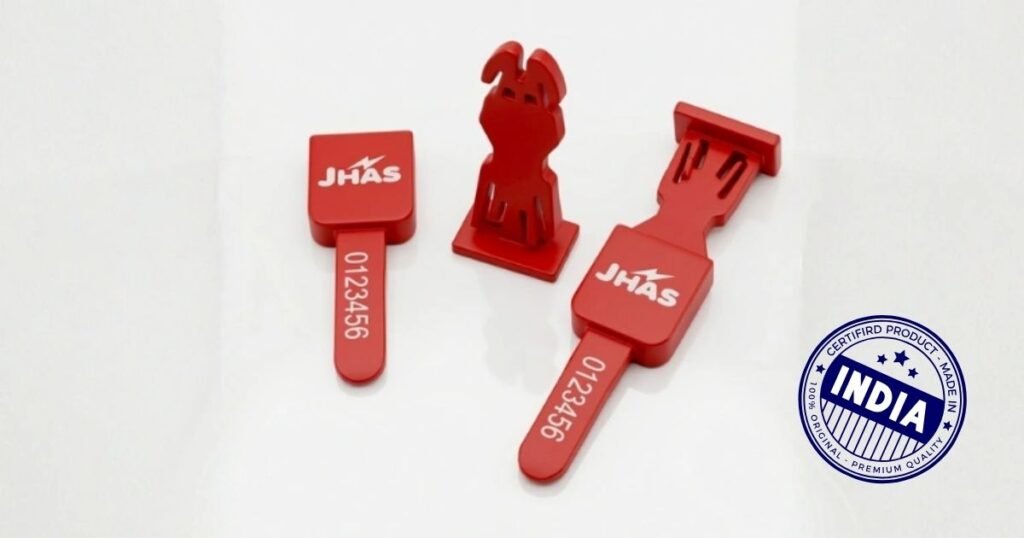
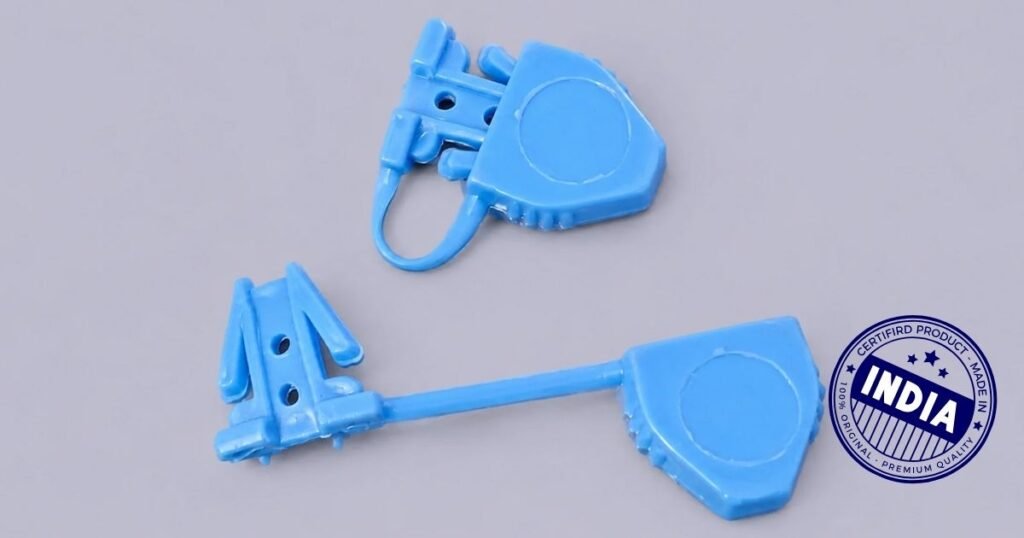
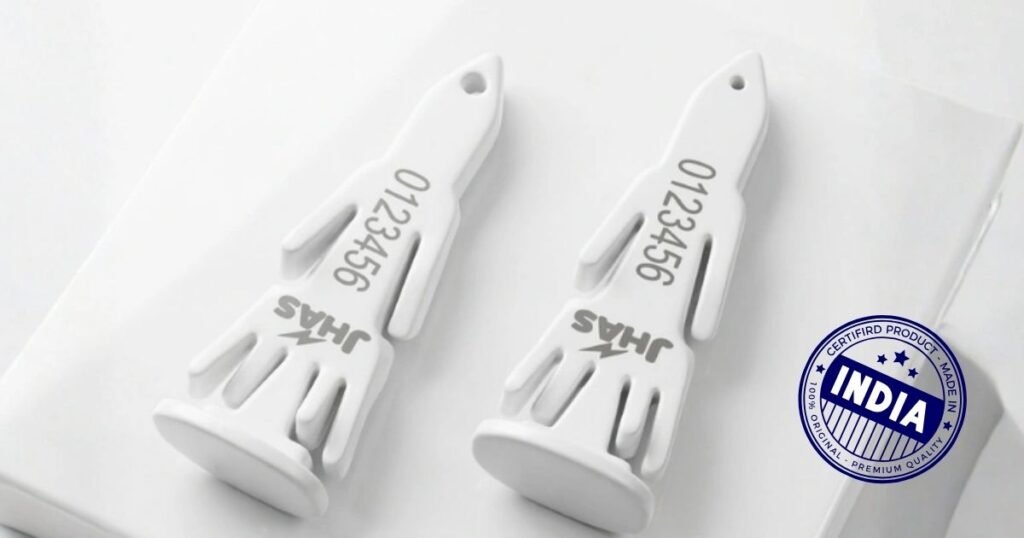
Sealing wires are not a single product but a component used across a wide range of security seal formats, each requiring a slightly different gauge, material, and length depending on the specific application and security level needed. JHAS Industries
Utility meter and junction box applications
Thin-gauge sealing wires, commonly around 0.75 mm in stainless steel, serve utility meter and junction box applications, sized to pass through the narrow apertures typical of these enclosures while still providing meaningful resistance against casual tampering attempts.
Cable lock and container seal applications
Thicker sealing wires, ranging up to 3.5 mm in diameter, serve heavier-duty cable lock seals used on shipping containers, tankers, and vehicle doors, where the wire needs to withstand rougher handling conditions and resist deliberate cutting attempts with basic hand tools. Follow us JHAS Industries
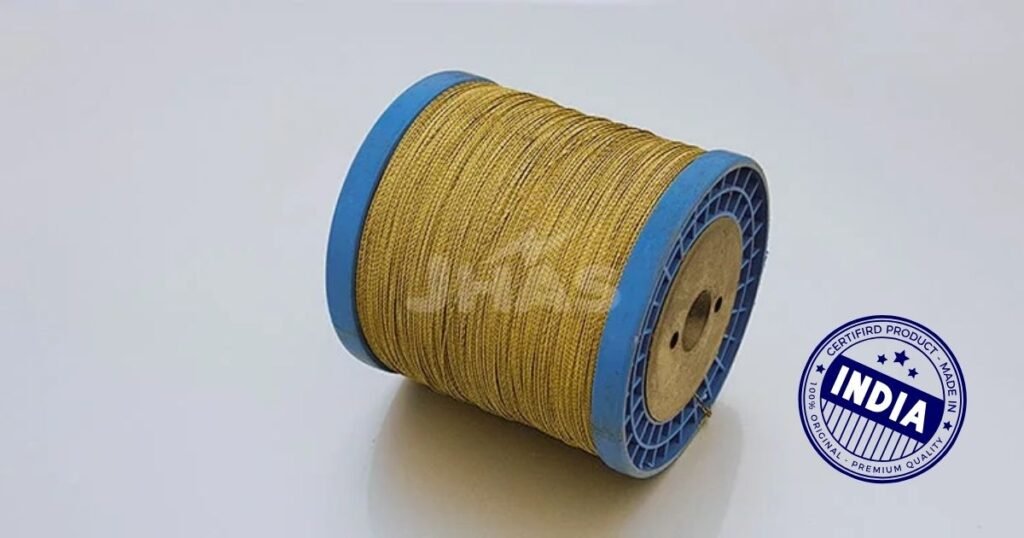
Traditional lead seal applications
Sealing wires also pair with traditional lead seals, where the wire threads through a soft lead body that gets crimped in place using a specialized tool, an older but still widely used sealing method in certain industries, particularly where a physical crimp mark provides its own form of tamper evidence. JHAS Industries
Postal and customs security applications
Postal services and customs authorities use sealing wires across various bag and pouch security applications, where a reliable, low-cost wire seal confirms a container has remained closed throughout a shipping or processing chain.
Industrial equipment and safety lockout applications
Some industrial settings use sealing wires as part of safety lockout procedures, confirming that equipment access points have remained closed outside of authorized maintenance windows, supporting both safety protocols and asset protection goals simultaneously. Follow us JHAS Industries