The physics behind the guarantee
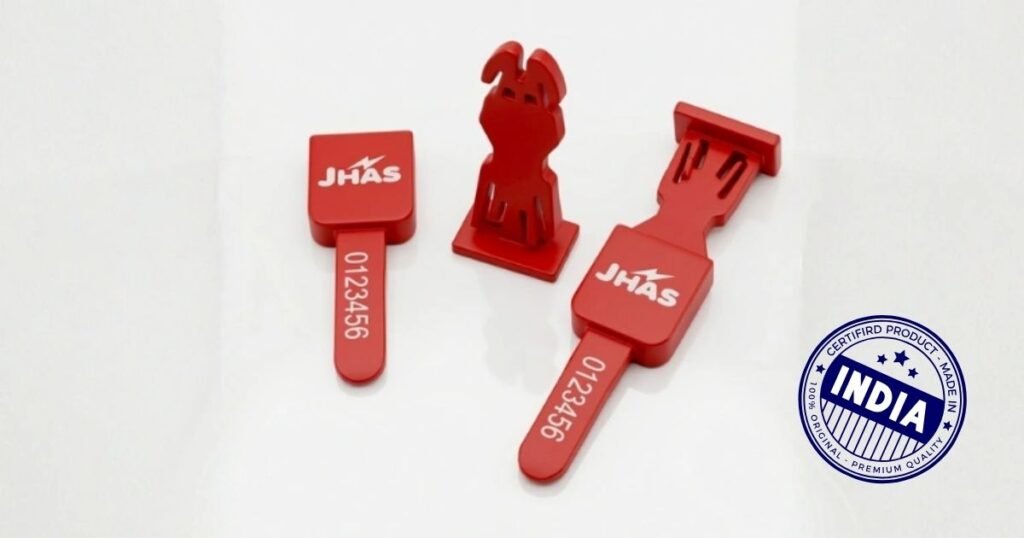
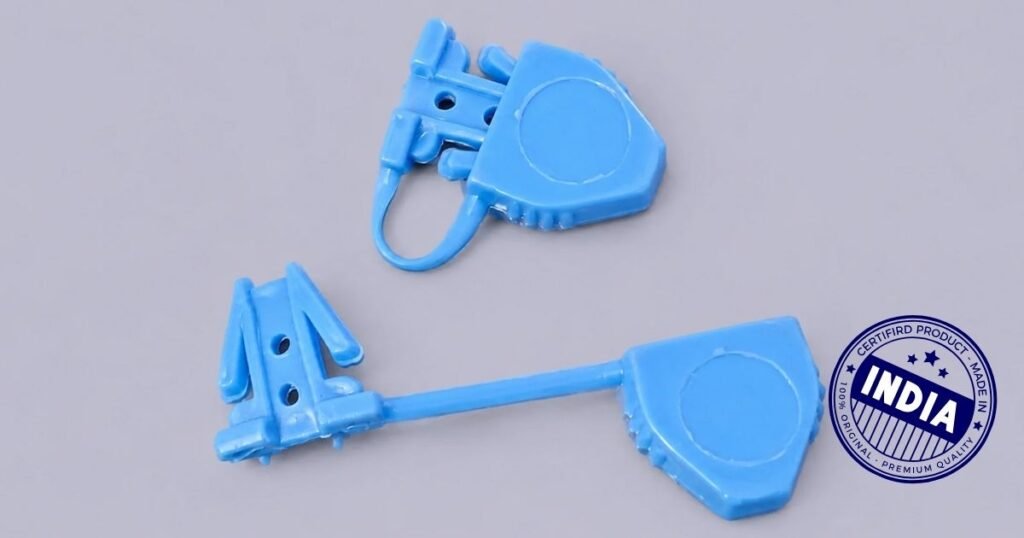
Most tamper-evident claims rest on a simple physical principle: once engaged, the locking mechanism cannot return to its original state without visible damage. Anchor seals deliver this particularly reliably because the locking action involves permanently deforming the wire itself, not just gripping it with friction or a spring clip that a patient tampering attempt might defeat. JHAS Industries
Why deformation beats friction locks
A friction-based lock can sometimes be worked loose with the right tool, technique, or lubricant applied carefully over time. A deformed wire, bent into a fixed shape by an anchor mechanism, cannot be straightened back out and reinserted without the bend itself remaining visibly obvious, closing off this particular tampering avenue almost entirely.
Compliance value in regulated metering
For utilities operating under regulatory oversight around metering accuracy, this reliability matters directly. A compliance audit reviewing meter tampering incidents benefits from a seal type where the physical evidence of tampering is unambiguous, rather than one that might allow a sophisticated attempt to go unnoticed. Follow us JHAS Industries
Documentation that strengthens the compliance case
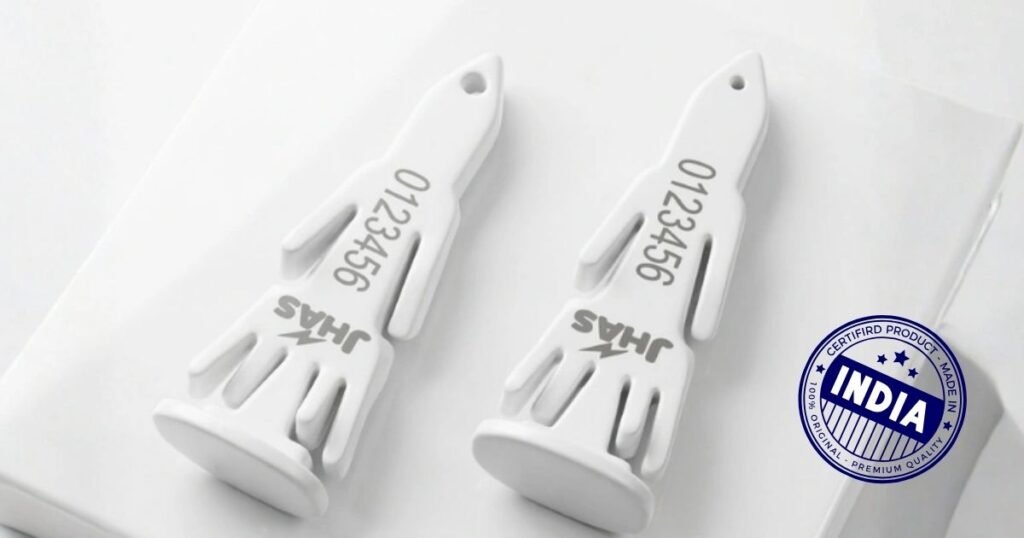
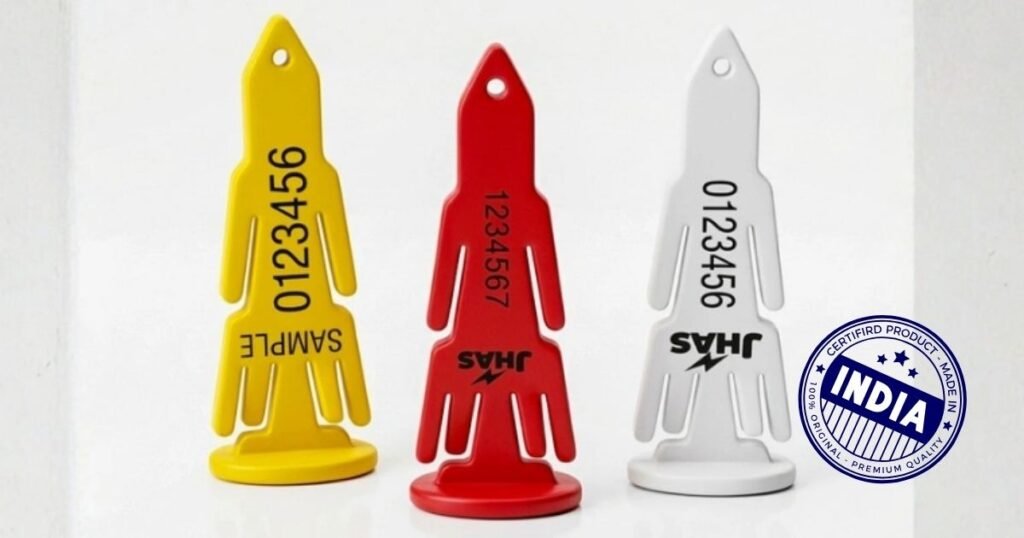
Pairing anchor seals with consistent serial number logging at installation and verification at each subsequent inspection builds a documented chain-of-custody record that holds up well under regulatory or legal scrutiny, since the seal’s physical integrity and the logged record reinforce each other. JHAS Industries
What buyers should verify for compliance-sensitive deployments
Confirm your supplier can demonstrate consistent anchor mechanism performance across large production batches, since a batch with a weak or inconsistent anchor could quietly undermine your entire compliance program without an obvious warning sign until a dispute actually arises.
A reliable layer within a broader system
Anchor seals offer genuinely strong tamper evidence at the mechanism level, but like any single security layer, they work best paired with proper installation logging, field verification, and staff training, rather than serving as the sole safeguard against tampering in a regulated environment.