Getting the mechanism details right
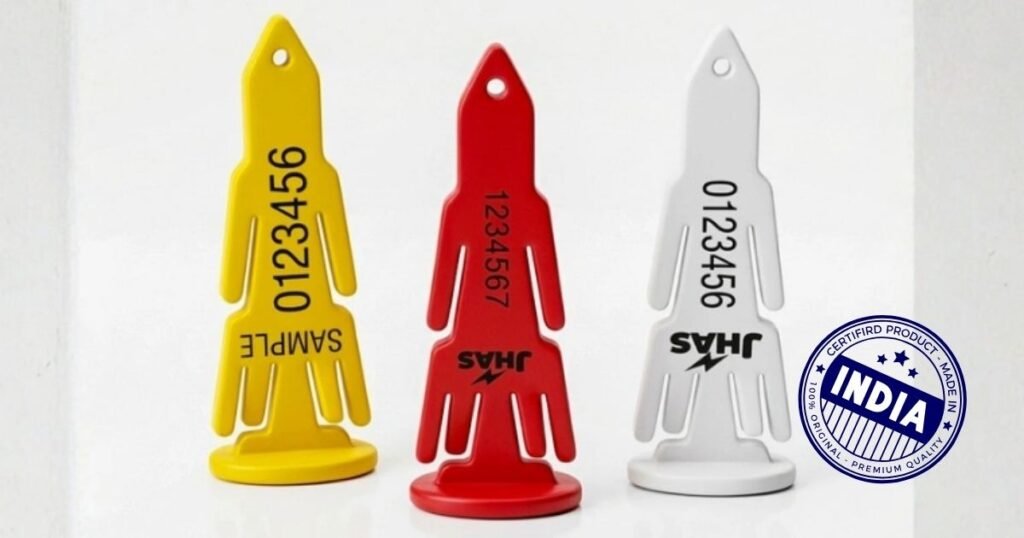
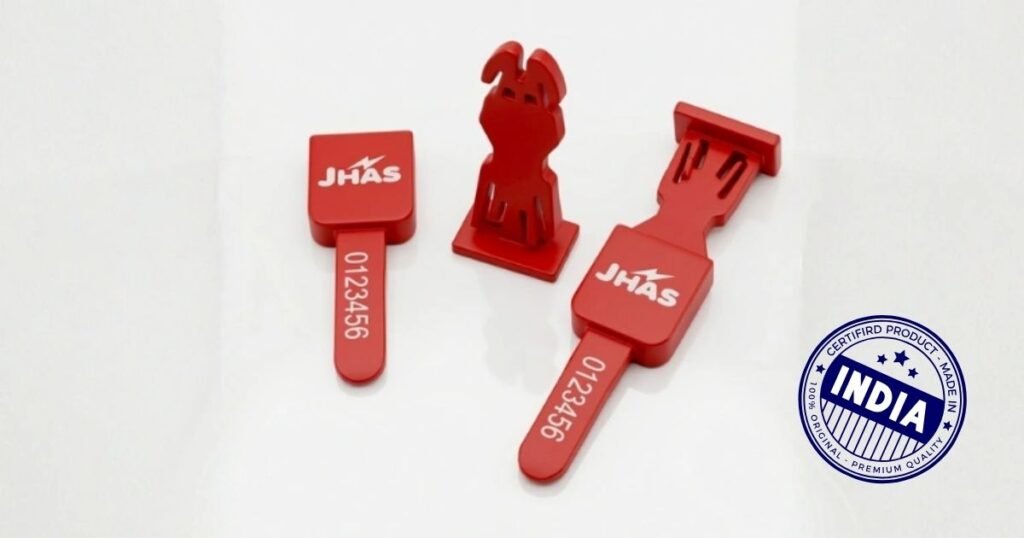
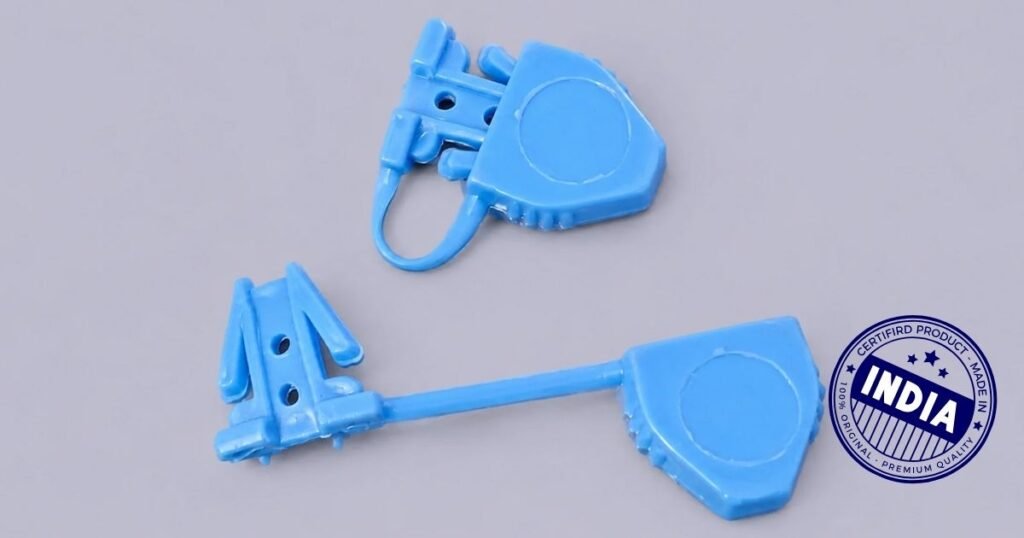
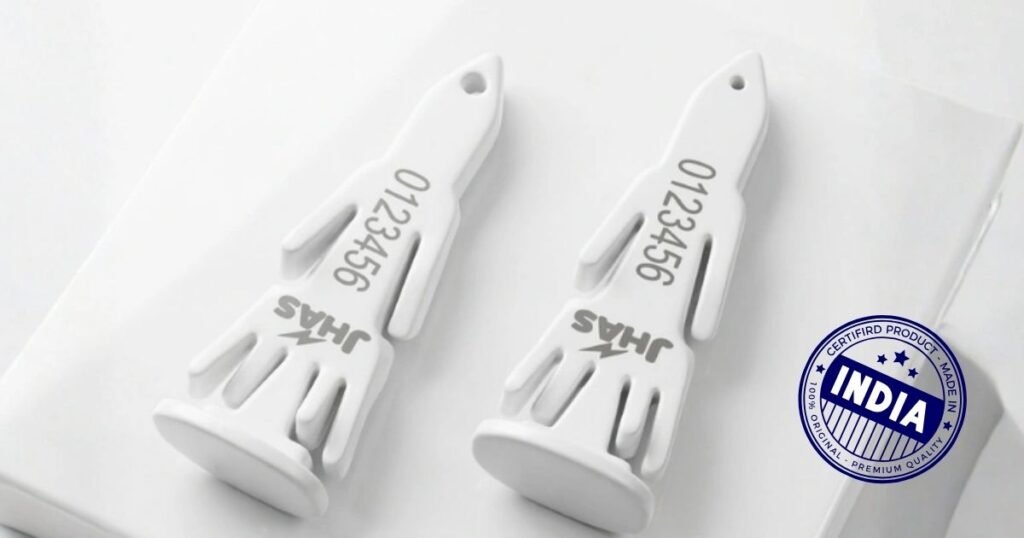
Sourcing anchor seals well means confirming the specific mechanical details of the locking mechanism, not just comparing price per unit, since a poorly manufactured anchor mechanism can fail to deform the wire reliably, undermining the entire tamper-evident guarantee the product is meant to provide. JHAS Industries
Confirming wire compatibility
Ask your supplier what wire gauge and material their anchor seals are designed for, and confirm this matches the wire you plan to use in the field. A mismatch between the anchor mechanism and wire specification can result in an unreliable lock that either fails to secure properly or damages the wire during application.
Body transparency for visual verification
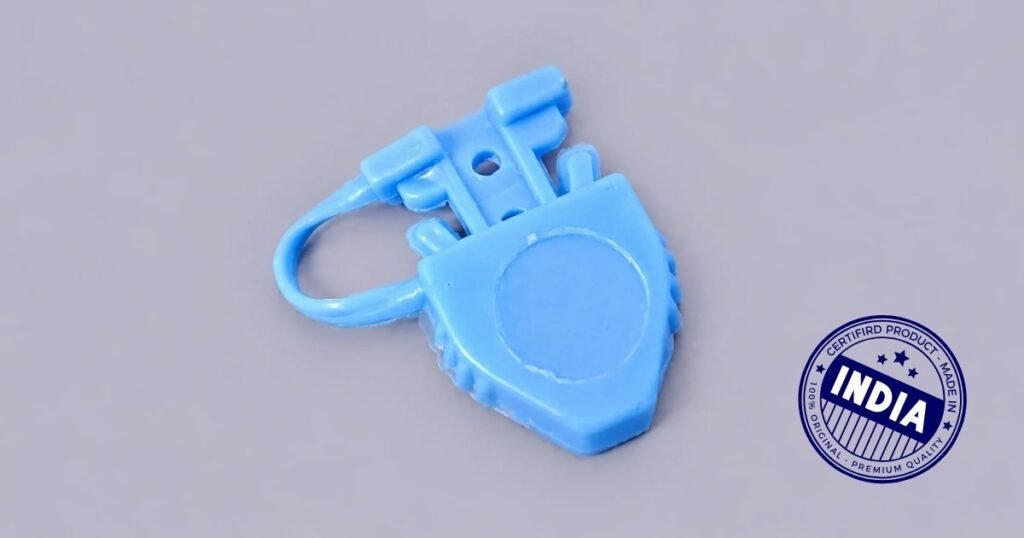
If visual verification of the internal locking mechanism matters for your application, ask specifically about transparent or semi-transparent body options, since not all anchor seal designs offer this feature, and it can add meaningful inspection value for field staff checking large numbers of seals quickly. Follow us JHAS Industries
Marking and customization options
Ask about thermo-engraved or laser-printed numbering options and whether dual inner-and-outer marking is available, since this feature significantly strengthens the tamper-evident value of anchor seals for applications where counterfeit or swapped seals are a realistic concern.
MOQ and volume pricing
Minimum order quantities for anchor seals generally follow a similar structure to other utility seal categories, with meaningful price improvements at higher volumes suited to utility-scale or large industrial deployments. Ask for tiered pricing across a few different order sizes to plan procurement budgets accurately.
Certifications worth confirming
For utility and regulated industrial buyers, confirm your supplier holds relevant quality certifications like ISO 9001-2015, and can provide documentation supporting consistent manufacturing quality across large production runs.