Built for a very specific access point
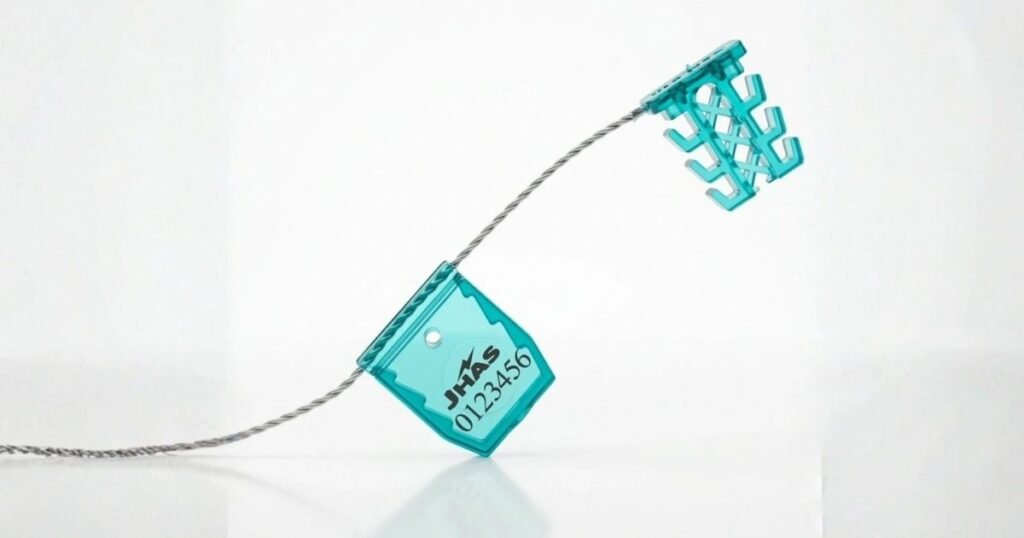
Energy meters, pilfer-resistant boxes, and electrical distribution enclosures all share a common security challenge, a small, often awkward access point that needs a thin, reliable wire seal rather than the bulkier cable seals used on container doors or tanker valves. Polycarbonate meter seals are engineered specifically for this narrower use case. JHAS Industries
The body material and why it matters
The locking body on a polycarbonate meter seal is made from high-impact, flame-retardant, UV-resistant polycarbonate, chosen because meters and enclosures are frequently mounted outdoors and exposed to sun, rain, and temperature swings over years of service. A lower-grade plastic would degrade and become brittle well before the meter it protects reaches its next scheduled inspection.
Thin stainless steel wire, not a thick cable
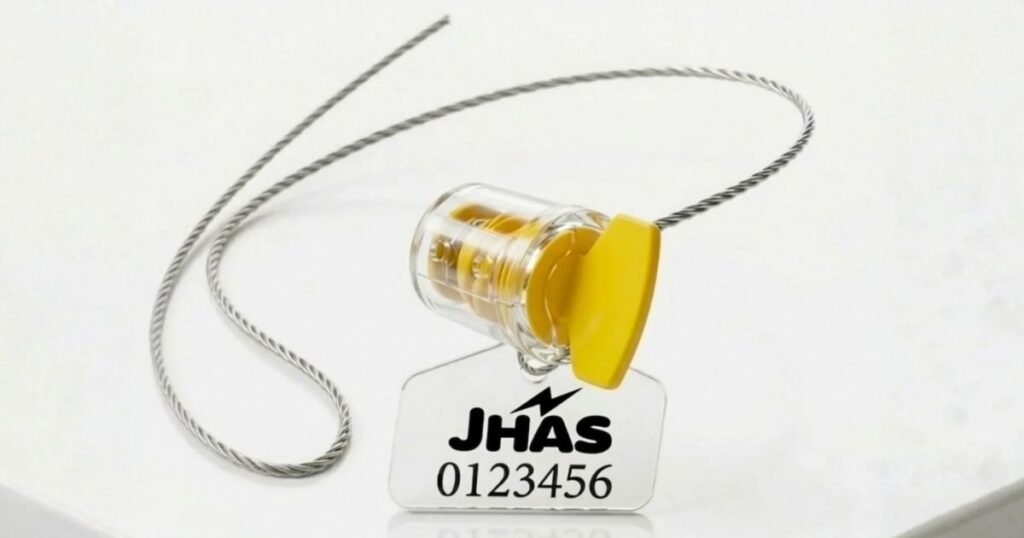
Unlike heavier cable seals, polycarbonate meter seals use a much thinner stainless steel wire, commonly around 0.75 mm in diameter, sized specifically to pass through the narrow apertures found on meter housings and junction boxes rather than the larger latch points seals on containers or tankers are built for. Follow us JHAS Industries
The anchor-lock mechanism
Most polycarbonate meter seals use an anchor-style locking mechanism, where the wire threads through the body and an internal anchor flattens the wire into place, forming a permanent, non-reversible lock. Once engaged, the wire cannot be pulled back out or reinserted, which is exactly what gives this seal type its tamper-evident property. JHAS Industries
Marking and identification
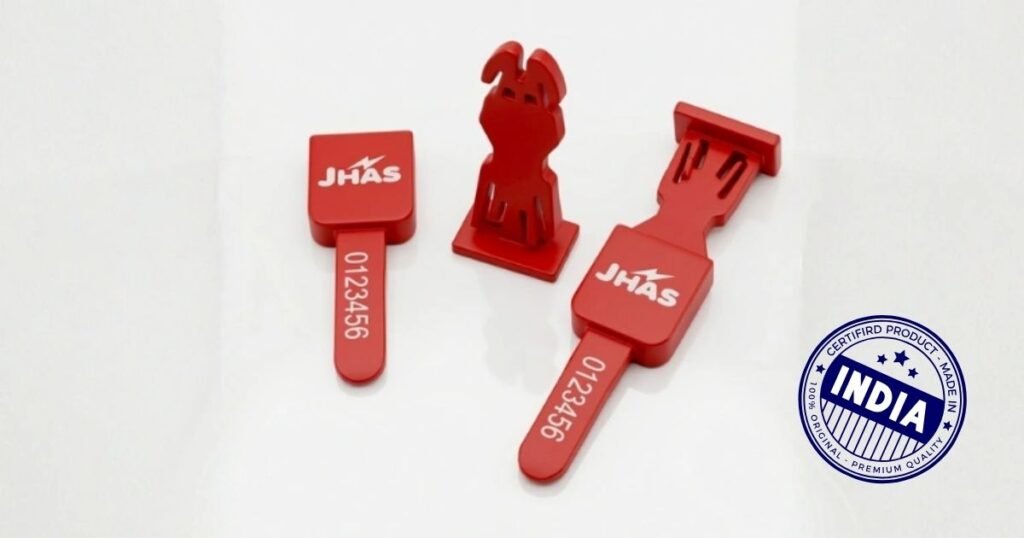
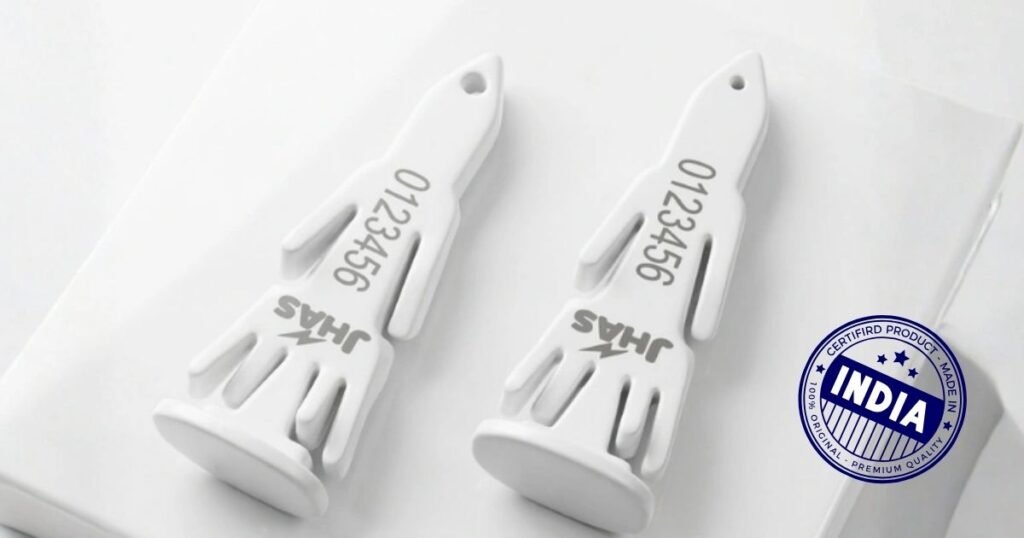
Thermo-engraved serial numbers on both the inner and outer parts of the seal give inspectors a way to confirm a seal’s identity has not been swapped, an important detail since a swapped seal with a matching outer appearance but different inner marking would otherwise be difficult to catch during a routine visual check.
Single-use by design
Like other security seal categories, polycarbonate meter seals are built for one-time application. Removal requires cutting the wire, and any seal found cut or with mismatched serial markings at inspection immediately flags a potential tampering event for the utility or facility managing that meter Follow us JHAS Industries