A category spanning multiple touchpoints
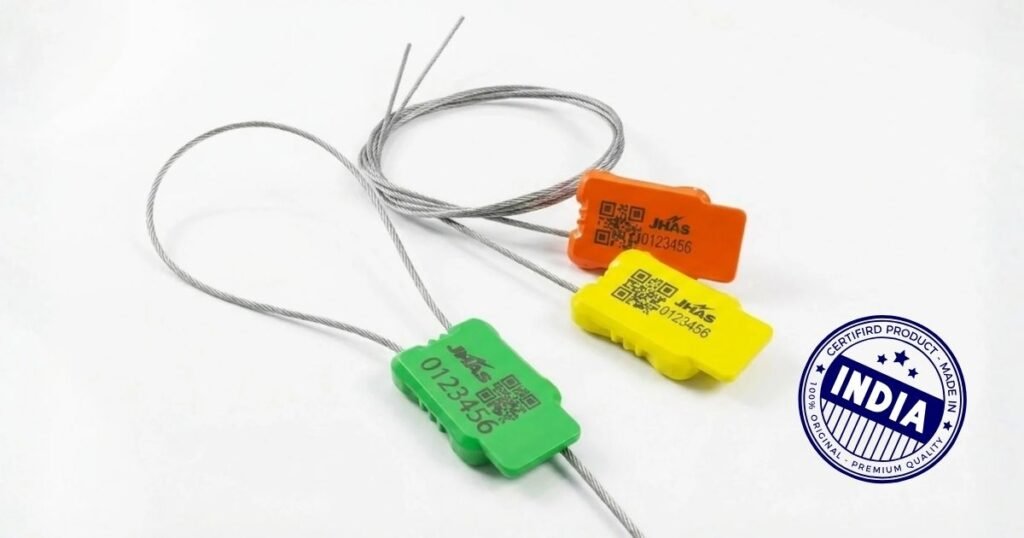
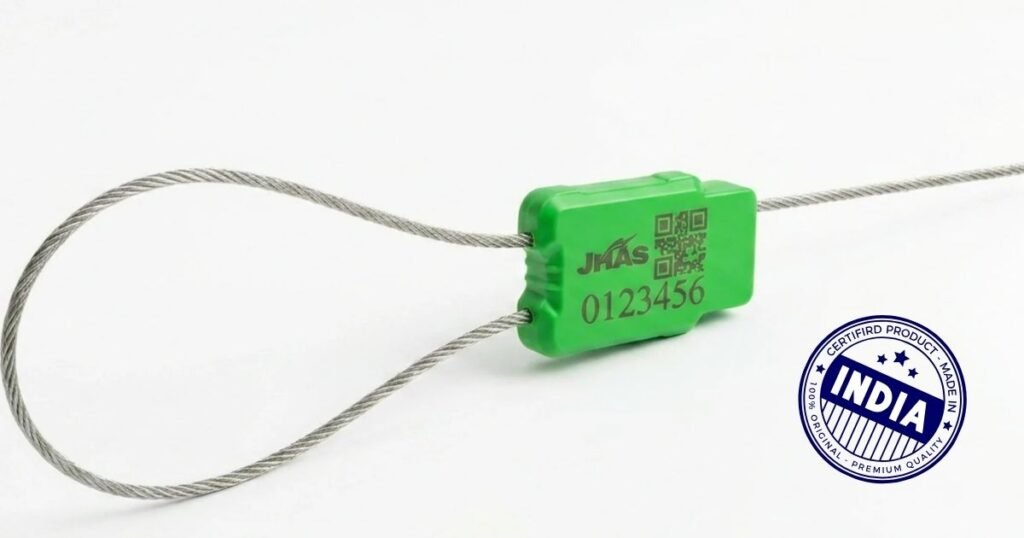
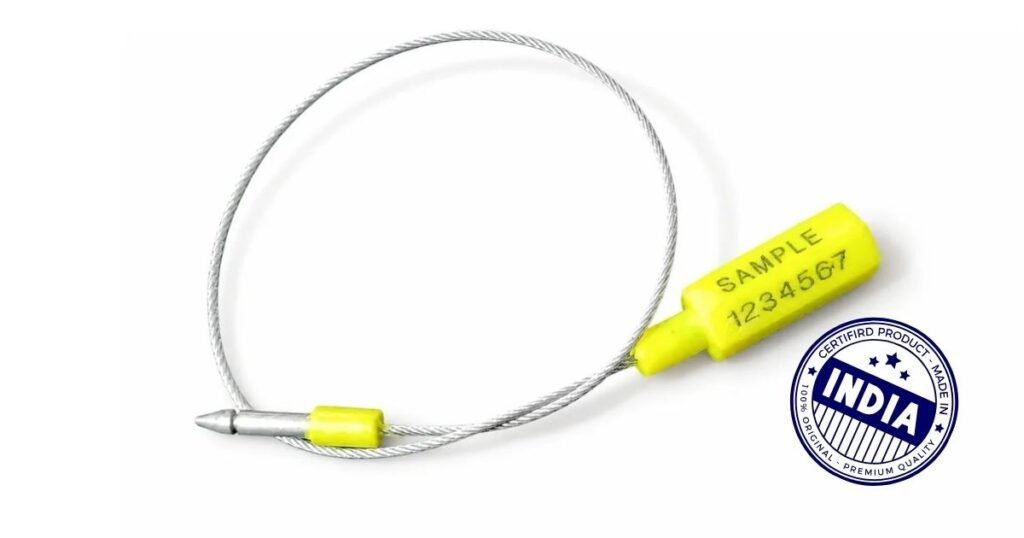
Because cable seals come in several variants—plastic, aluminum, anti-spin, and bolt-style—the category as a whole ends up covering a wide range of supply chain touchpoints, each variant suited to a slightly different security and cost requirement. JHAS Industries
Port and container terminal operations
Container terminals rely on this category heavily, applying seals at loading and checking them again at every subsequent handling point through to final delivery. The specific variant used often depends on cargo value, higher-value shipments justify the added cost of aluminum or bolt-style options, while routine domestic shipments frequently use lower-cost plastic-bodied versions.
Road transport and tanker fleets
Trucking fleets and tanker operators use these seals on trailer doors and tanker valve access points as a standard part of transport security protocol, giving dispatch and receiving teams a fast, low-cost way to confirm cargo integrity across a route. Follow us JHAS Industries
Bulk bag and industrial packaging
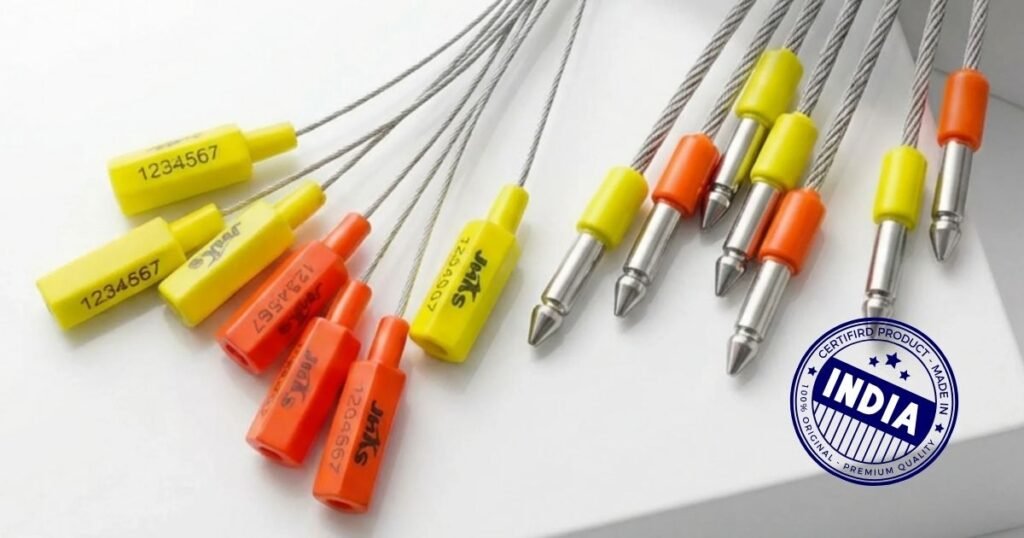
Jumbo bags and industrial bulk packaging use lighter cable seal variants on closure points, prioritizing fast application speed over the heavier-duty security features needed for container or tanker use, since the risk profile for these shipments differs from high-value cargo. JHAS Industries
Utility and metering applications
Energy and water utility companies use this seal category on meter enclosures and access panels, where anti-spin variants in particular help prevent a common tampering technique used to bypass metering equipment without detection.
Cross-border and customs applications
Shipments crossing international borders often require seals meeting specific customs security standards, and cable seals with proper serial numbering and traceability features support the documentation customs authorities expect when verifying that a container has remained sealed throughout transit. Follow us JHAS Industries