What these three industries actually have in common
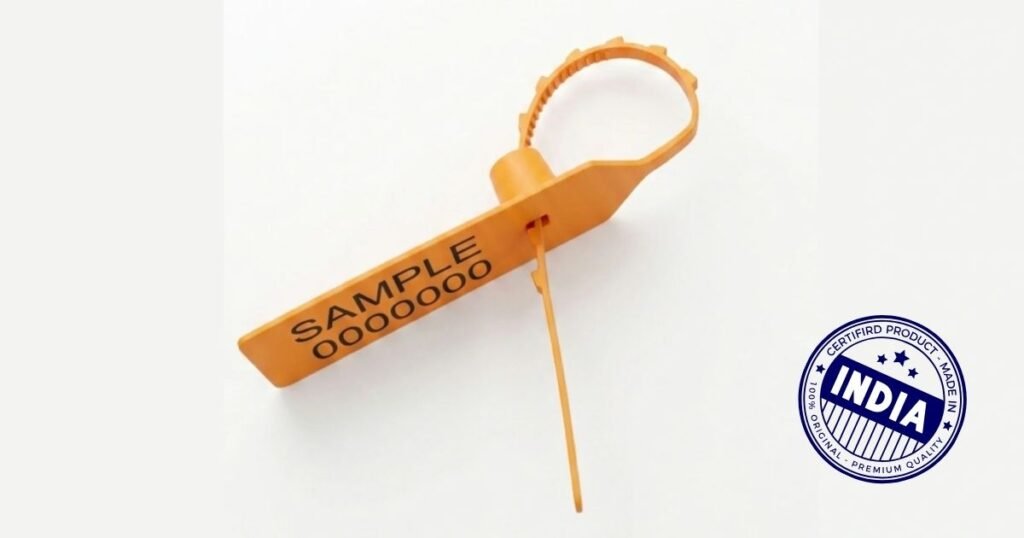
Courier bags, cash boxes, and cold chain totes don’t look alike and don’t carry similar goods, but each one changes hands multiple times between sealing and final delivery, often passing through people who never see the sender or receiver directly. In all three cases, the seal isn’t there to stop theft outright; it’s there so that whoever opens the item last can prove, or disprove, that it was opened by someone else along the way. That shared need for a fast, cheap, unambiguous tamper record is exactly what plastic pull-tight seals are built for. JHAS Industries
Courier and postal bags
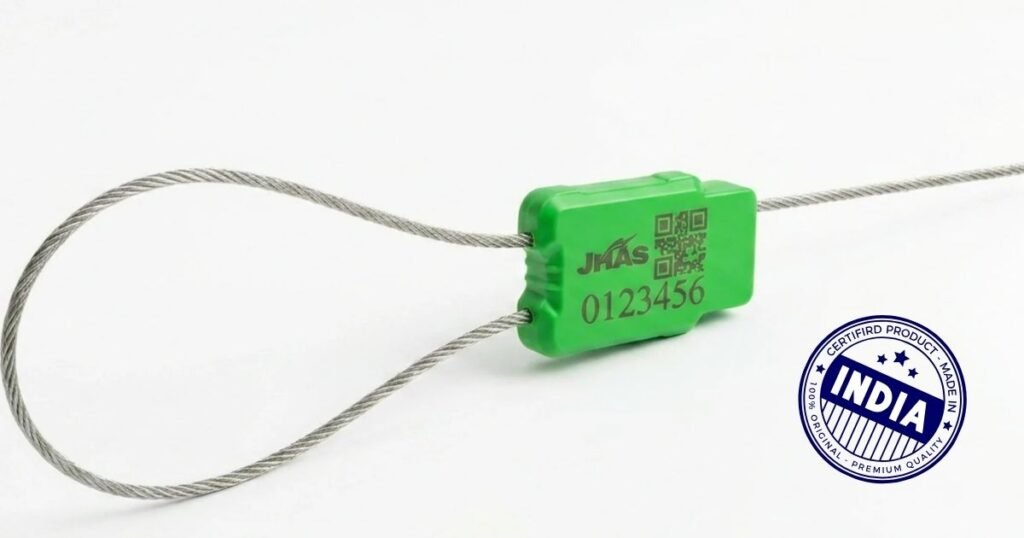
A courier bag typically moves through several hands, a pickup driver, a sorting facility, a transit hub, and a delivery driver before reaching its destination, and a seal applied at pickup needs to survive that whole chain without needing special handling at each stage. Pull-tight seals work well here specifically because they require no tools to apply and only basic cutting tools to remove, keeping the process fast at every handoff point while still producing an unambiguous tamper record if a bag is opened outside the expected chain. Numbered seals matched against a manifest let a sorting facility quickly confirm a bag hasn’t been opened since pickup without needing to inspect its contents.
Cash-in-transit and banking applications
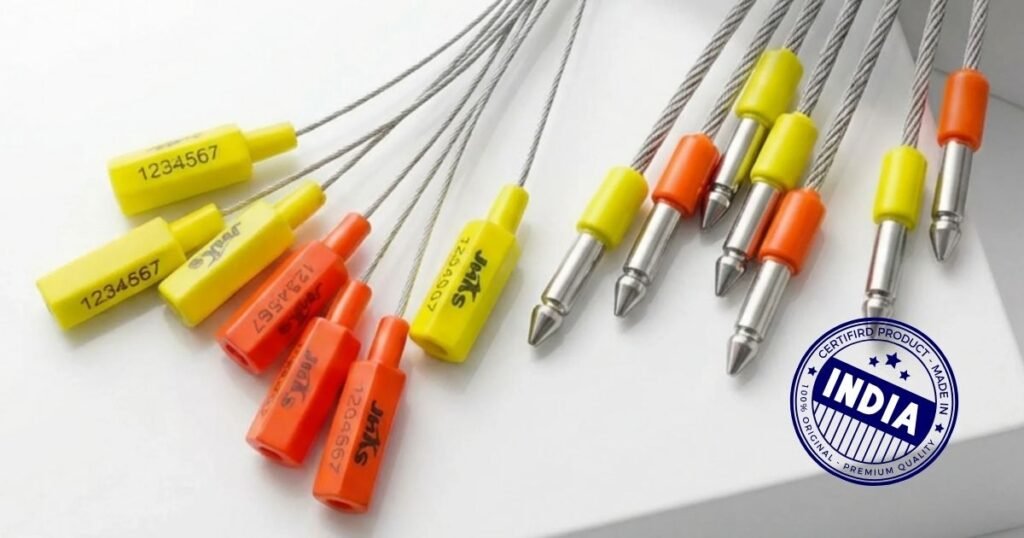
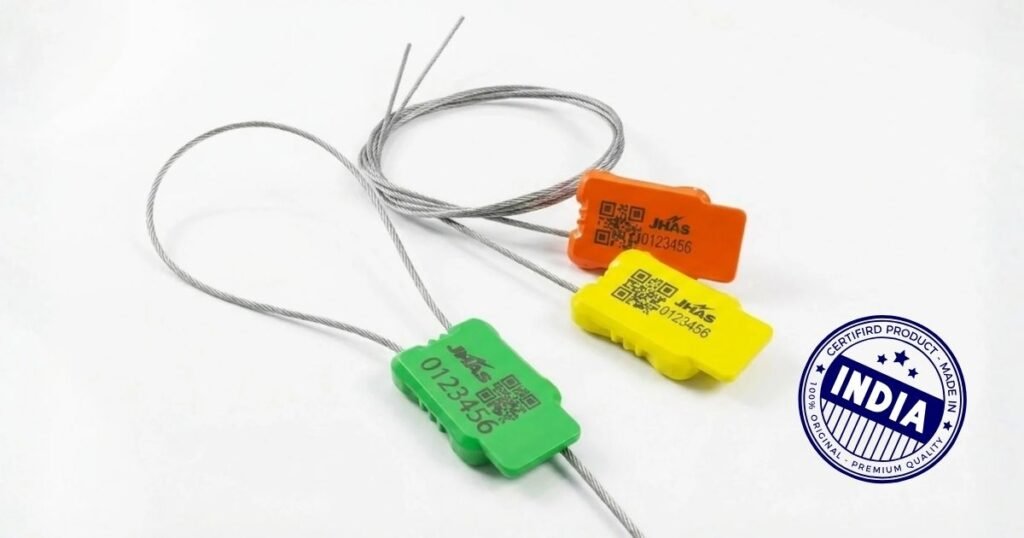
Cash bags and coin boxes carry a different kind of pressure, since any discrepancy triggers a financial reconciliation process, not just a logistics query. Here, the seal number becomes part of the audit trail itself, logged against the specific bag, branch, and collection run, so that a broken seal on arrival immediately narrows down exactly where and when a discrepancy could have occurred. Color coding often plays a bigger role in this application than others, since cash-in-transit operators frequently rotate colors by collection run or route specifically to make a mismatched bag stand out immediately during high-volume processing at a cash center. Follow us JHAS Industries
Cold chain and pharmaceutical distribution
Cold chain applications add a wrinkle; the other two don’t face as often, temperature. A tote or container moving repeatedly between refrigerated storage and ambient loading docks puts real stress on the plastic itself, and a seal that becomes brittle in the cold can snap during normal handling, creating a false tamper alarm that costs time and trust to resolve. Seals specified for cold chain use benefit from a compound rated for low-temperature flexibility, which matters more here than in most other pull-tight seal applications, where the seal rarely sees temperatures much below normal ambient conditions. JHAS Industries
Why one supplier covering all three helps in practice
A logistics group that runs courier, cash-in-transit, and cold chain operations under one roof, which is increasingly common as delivery and fulfillment businesses diversify, benefits from sourcing all three seal specifications from a single supplier rather than juggling separate vendors for each division. Beyond simple convenience, it keeps numbering ranges, color schemes, and print standards consistent across the wider business, which matters if any single shipment ever crosses between divisions, a cold chain delivery that also carries a cash collection, for instance, where consistent sealing practice across both functions avoids confusion at the handoff point. Follow us JHAS Industries