Round and square, and why both exist
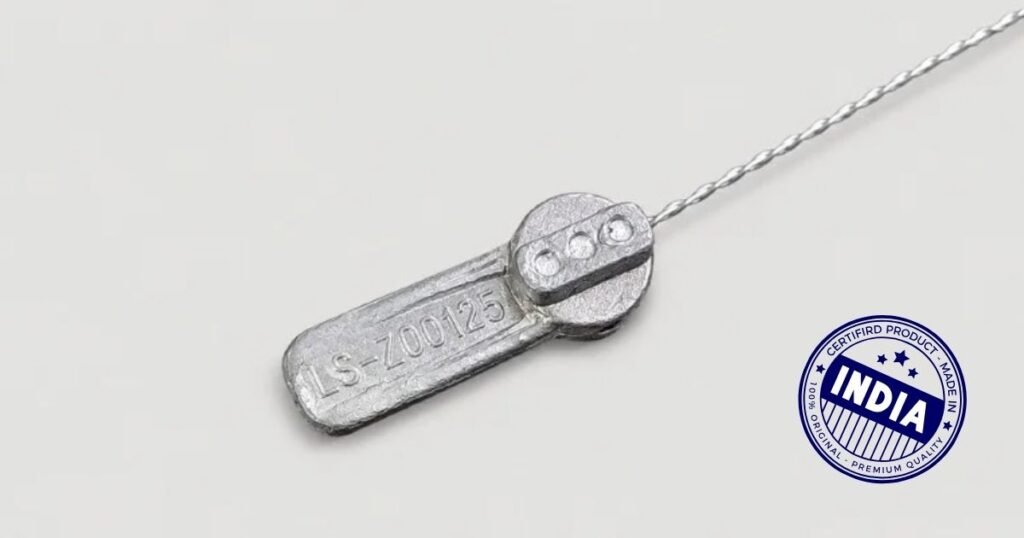
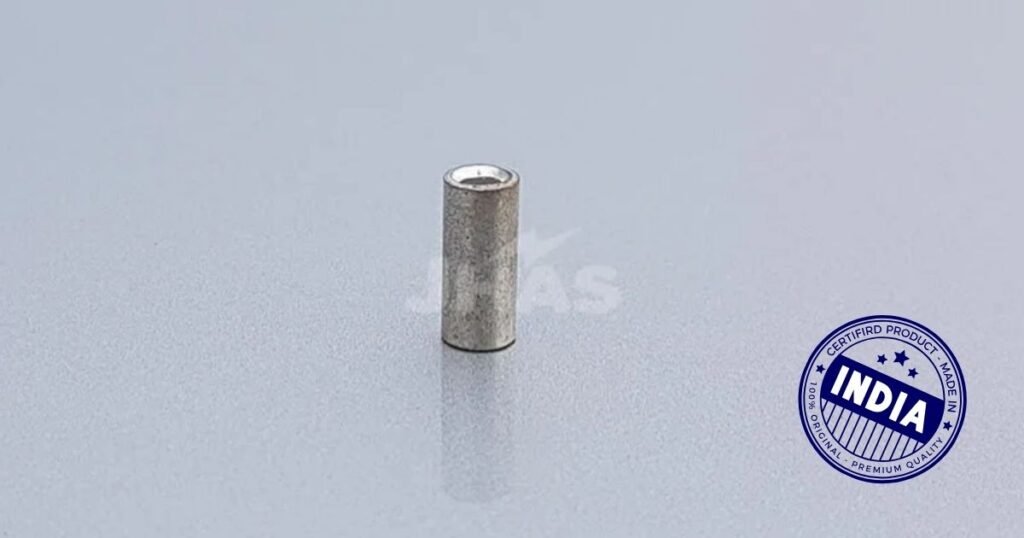
Lead seals are produced as either round or square pellets, and despite how it might look on a supplier’s catalogue page, the shape doesn’t change how securely the seal functions. Both crimp the same way around a wire, both deform permanently under the sealing pliers, and both are equally hard to reopen without visible damage. The shape is almost entirely a matter of what a particular department, utility, or export contract has standardized on for identification purposes, sometimes going back decades to whatever a specific authority originally specified. Square pellets are common in certain government and utility procurement standards in India, partly because the flat faces take a stamped mark slightly more legibly at smaller sizes than a curved round surface does. Round pellets remain the more universally recognized format internationally and are often the default when no specific shape has been mandated by a buyer’s procurement documentation. JHAS Industries
The size range you’ll actually encounter
Lead seals commonly range from around 8mm up to 20mm, with 10, 12, and 15mm sizes covering the bulk of standard commercial and utility use. The size mostly tracks the wire gauge it needs to accommodate; a thicker sealing wire needs a larger pellet to crimp around securely, while thinner wire used on lighter applications like small parcel or courier tags can use a smaller pellet without losing crimp integrity. Larger sizes, 15 mm and above, tend to show up in industrial and utility applications using heavier gauge wire, drums, tanks, and switchgear panels among them, where the seal needs to physically span a larger anchor point rather than just a thin wire loop.
What actually varies beyond size and shape
Two lead seals of identical size and shape from different suppliers can still differ meaningfully in lead purity and softness, which affects how cleanly they crimp and how legible the resulting stamp turns out. Softer, higher-purity lead takes a stamped mark more cleanly under standard sealing pliers, while lead alloyed with other metals for cost reasons can crimp unevenly or produce a shallower, harder-to-read impression, which defeats part of the point of using a stamped seal in the first place. Wire compatibility is worth checking too; some suppliers size their pellets specifically for galvanised steel wire, others for softer copper wire, and a mismatch between pellet and wire gauge can produce a crimp that looks secure but isn’t fully seated. Follow us JHAS Industries
Ordering custom dies at the right size
When a custom identification die is part of the order, the pellet size chosen also affects how much detail the die can stamp legibly. A small 8 or 10mm pellet limits a die to a short code or a few characters before the impression becomes too cramped to read clearly, while a 15mm or 20mm pellet gives enough surface area for a fuller department name, logo, or longer serial format. It’s worth deciding on the die content first, then choosing a pellet size that comfortably fits it, rather than picking a size first and trying to squeeze the intended mark into whatever space is left. JHAS Industries
Choosing a size and shape for your application
Check your existing procurement documentation or regulatory standard first, since many government, utility, and judicial applications already specify a shape and size that shouldn’t be substituted without approval. If no standard applies, match the pellet size to your wire gauge rather than picking a size that looks proportionally right, and request a sample batch to confirm crimp quality and stamp legibility before committing to a full order. Follow us JHAS Industries