Why meter tampering is hard to catch any other way
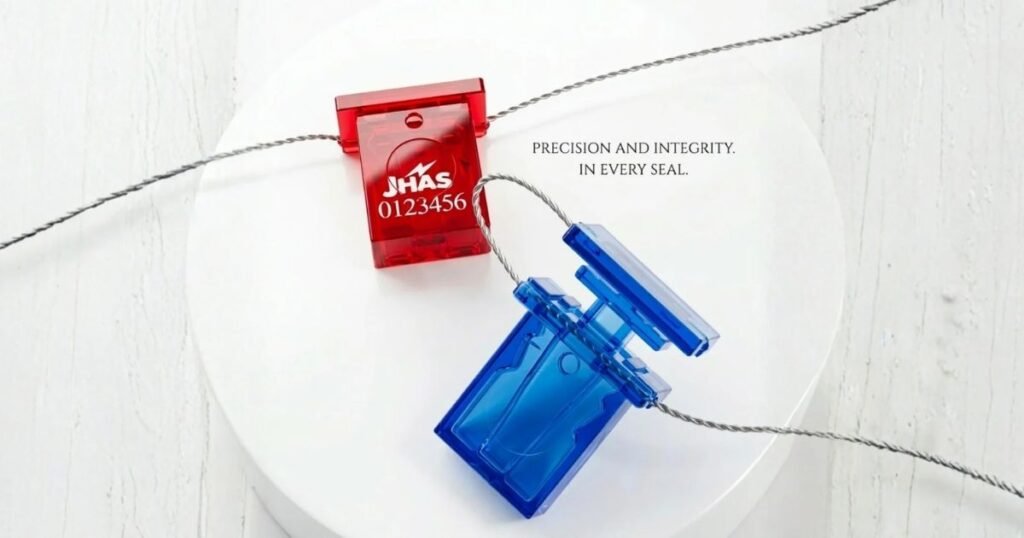
Unauthorized access to a meter rarely announces itself. A slightly loosened connection, a bypassed circuit, or a manipulated internal component can shift a reading downward without producing any obvious symptom a customer or a distant monitoring system would notice on its own. Billing data alone often isn’t enough to flag it either, since a modest, gradual drop in reported usage looks a lot like a household simply using less electricity, right up until a physical inspection tells a different story. This is exactly the gap a meter seal is built to close. It doesn’t prevent the initial tampering attempt any more than a lock prevents someone from trying a door, but it makes any attempt at access physically undeniable the moment an inspector looks at the panel. JHAS Industries
What an inspector actually looks for
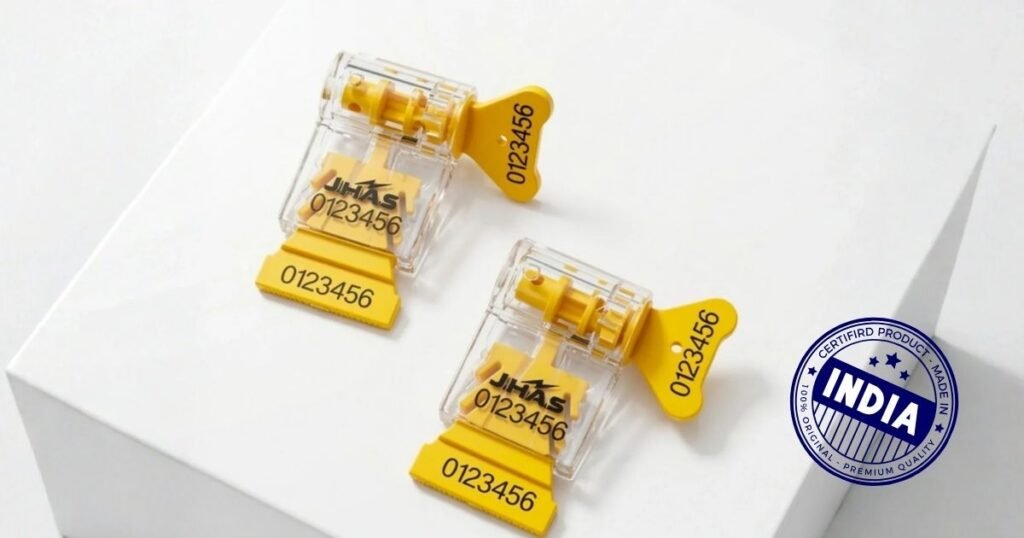
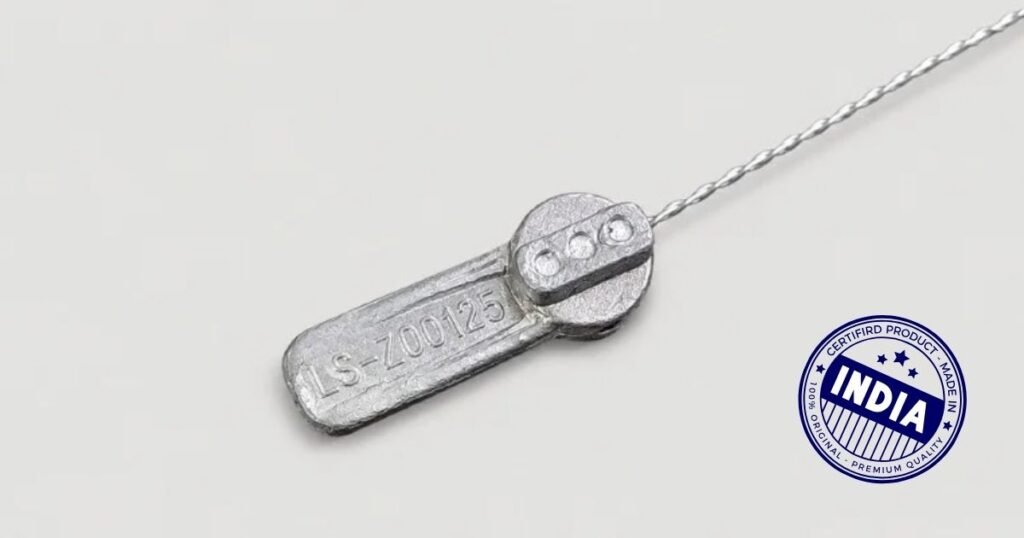
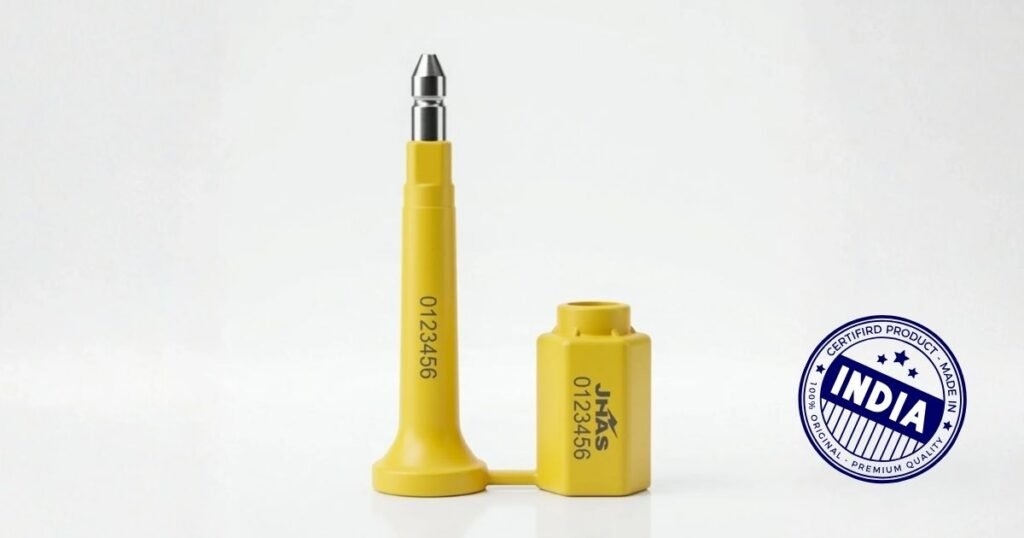
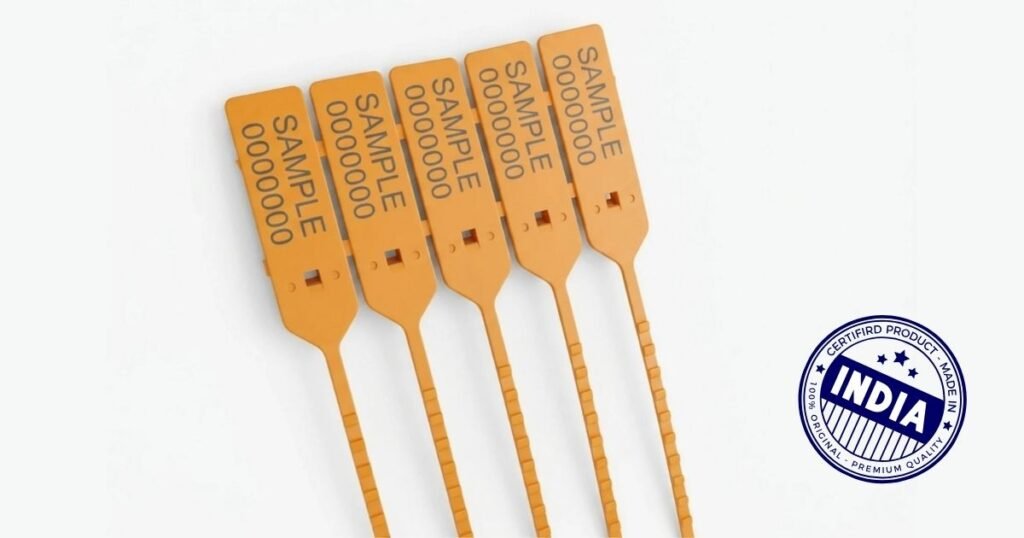
A field check against a suspected tampering case usually starts with the basics: does the seal number on the meter match what’s logged in the utility’s records for that installation, and does the seal show any physical sign of having been cut, re-glued, melted, or otherwise reworked? Beyond the obvious cut-and-replace scenario, a trained inspector also checks for subtler signs: a seal color that doesn’t match the installation batch it claims to be from, a serial number outside the range that was actually issued to that region or contractor, or print quality that looks slightly different from the utility’s standard supplier output, any of which can indicate a counterfeit seal was substituted after the original was removed.
Why record keeping matters as much as the physical seal
A meter seals is only as useful as the paper trail behind it. If a utility isn’t logging seal numbers against specific meter installations at the point of sealing, a broken or mismatched seal found later has no baseline to compare against, which undermines the entire program regardless of how good the seal itself is. The strongest tampering-detection setups pair a quality physical seal with disciplined field logging, ideally digitized at the point of installation rather than transcribed later from a paper form, where transcription errors quietly erode the reliability of the whole system. Follow us JHAS Industries
The cost of getting this wrong runs both directions.
A tampering detection program that’s too loose lets genuine theft go unnoticed for months, costing a utility real revenue and undermining billing accuracy across its customer base. But a program that’s too aggressive, flagging false positives from Meter Seals that failed due to normal wear rather than tampering, creates its own cost in the form of unnecessary field investigations and strained customer relationships. Getting the seal quality and the logging discipline right on the front end reduces both risks at once, since a seal that fails predictably from age looks distinctly different to a trained eye than one that shows clear signs of deliberate interference. JHAS Industries
Building a program that actually catches problems
Regular, unannounced spot checks matter more than periodic scheduled inspections alone, since a scheduled visit gives anyone with tampering intent advance notice to restore the appearance of an intact seal beforehand. Rotating seal colors or print batches by year or region also helps, since it gives field staff a fast visual reference point that doesn’t require looking anything up, making an out-of-place seal easier to spot at a glance during a routine walk past a bank of meters. Follow us JHAS Industries