Start with what your freight lane actually requires.
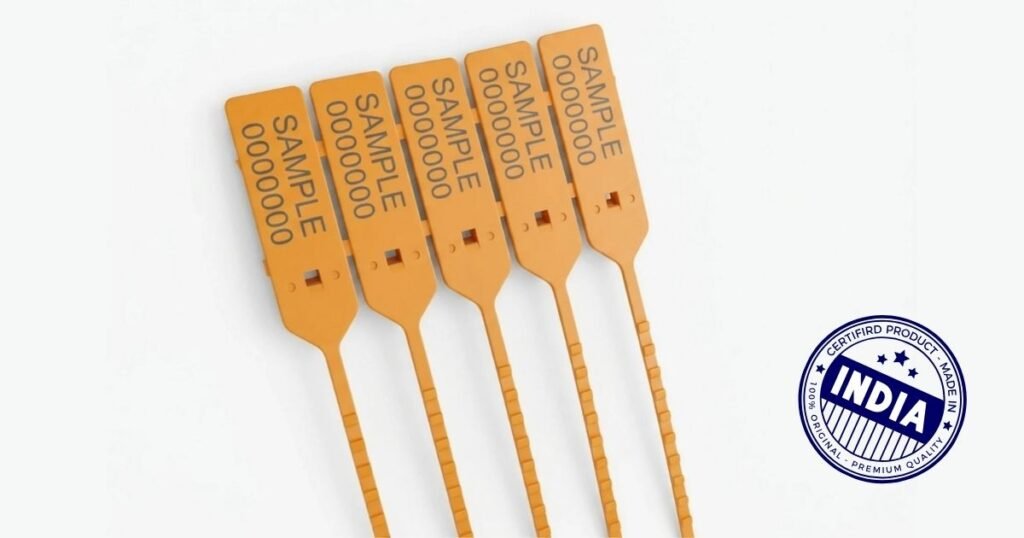
Before Container Seal formats on their own merits, check what your shipping route, carrier, or destination customs authority actually mandates. Most international ocean freight into the US expects ISO 17712 H-rated seals as part of C-TPAT compliance, which immediately narrows the field to bolt or cable seals, since plastic pull-tight seals only reach Indicative or, at best, Security classification, never High Security. Domestic freight or lower-value cargo may have no such requirement, which opens plastic back up as a legitimate, lower-cost option. JHAS Industries
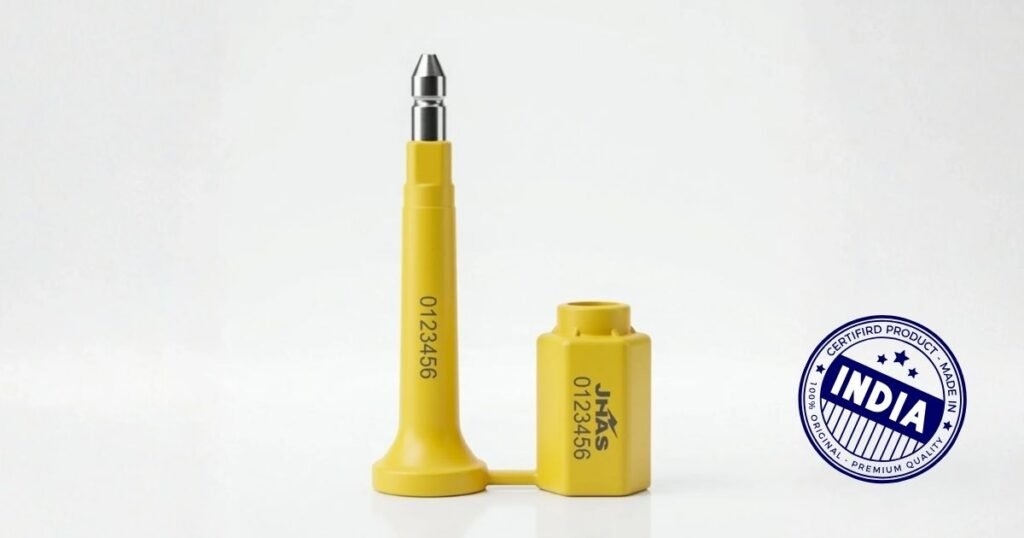
Bolt seals for standard container doors
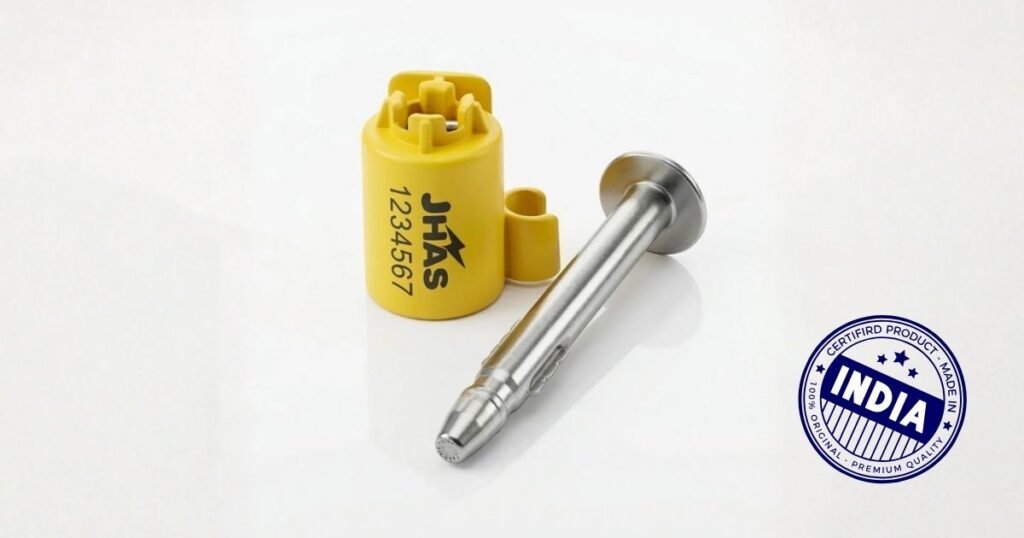
A bolt seal is the default choice for full container loads because it threads directly through the door’s locking rod mechanism and offers the highest breaking strength of the three formats. It is rigid and relatively short, which is exactly right for a straight, predictable locking point, but that same rigidity makes it a poor fit for closures that aren’t straight lines.
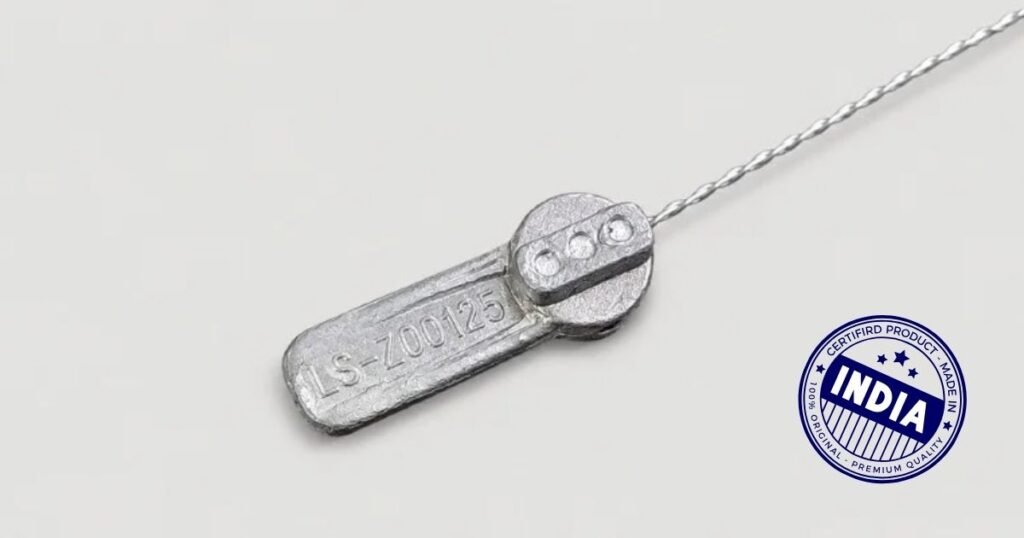
Cable seals for awkward or irregular closures
Where a rigid bolt simply won’t reach, tanker valves, rail wagon hasps, looped chain latches, or odd door hardware on older equipment, a cable seal’s flexible steel cable does the same fundamentally strong job while accommodating a wider range of closure shapes. The trade-off is typically a slightly lower breaking strength than a comparable bolt seal, since the cable itself becomes the weaker point compared to a solid pin, but for the applications where a bolt physically doesn’t fit, that trade-off is the whole point. Follow us JHAS Industries
A practical decision path
Confirm your compliance requirement first, since that alone may settle the question. If bolt and cable are both compliant options, check whether your door hardware is a standard straight locking rod, favouring bolt, or an irregular closure point, favoring cable. Add plastic pull-tight seals underneath as an internal tracking layer if your cargo value or route risk justifies the extra visibility, rather than as a substitute for the primary compliant seal. JHAS Industries
Fleet-wide standardization versus per-route flexibility
Some operators try to standardize on a single seal format across an entire fleet purely to simplify procurement and inventory, and for a fleet running uniform equipment on similar routes, that can work fine. The risk shows up when a fleet mixes older trailers with irregular hardware alongside standard containers, and a one-size-fits-all policy forces a cable seal onto a straight locking rod where a bolt seal would have offered better strength, or forces a bolt seal onto hardware it doesn’t properly fit. Auditing your actual closure hardware across the fleet before settling on a single standard avoids this mismatch, even if it means carrying two seal formats in inventory rather than one.
What buyers commonly get wrong
The most frequent mistake isn’t choosing the wrong format outright, it’s assuming one seal type works for an entire fleet or route network without checking whether every closure point actually matches that assumption. A supplier who stocks all three formats, rather than pushing whichever one they happen to have surplus inventory of, makes it easier to match the seal to the actual hardware rather than forcing a compromise. Follow us JHAS Industries