What a meter seal is guarding against
A meter seal is applied to the cover or terminal box of an electricity, gas, or water meter to show whether anyone has opened it since the utility company last checked. It is not there to stop a break-in the way a padlock would. It is there so that if someone does open the panel, the evidence is impossible to hide, whether that means loosening a connection, bypassing the metering circuit, or swapping components to under-report usage. Utility theft is more common than most residential customers assume, and it rarely looks dramatic. A tampered meter usually just reads slightly lower than actual consumption, month after month, which is far harder to catch through a bill alone than through a physical seal check during a routine inspection. JHAS Industries
Wire seals versus plastic seals
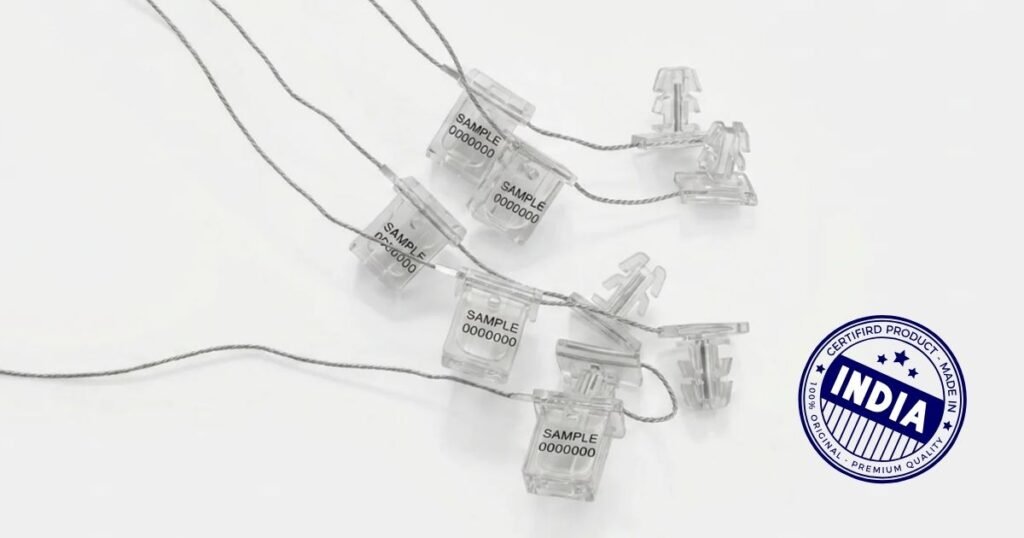
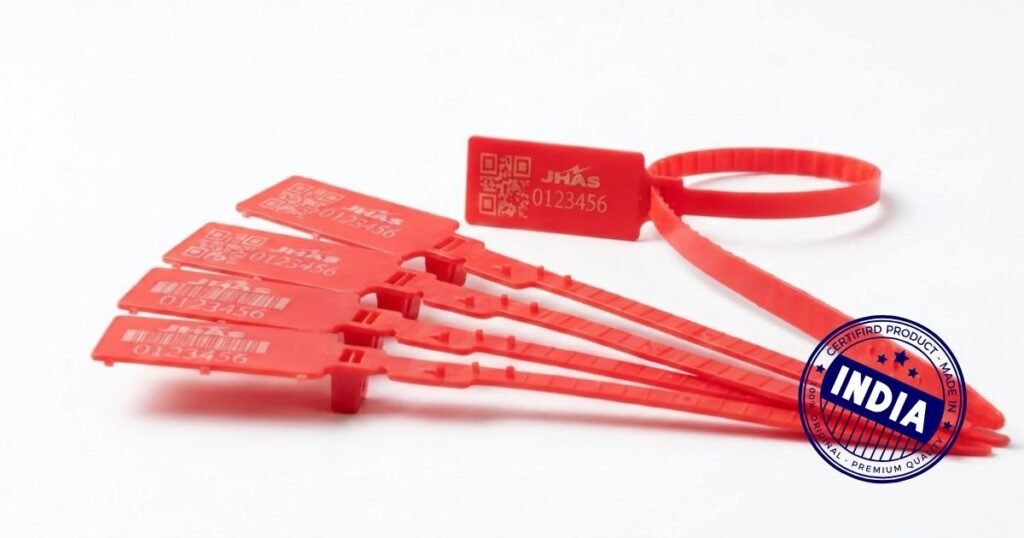
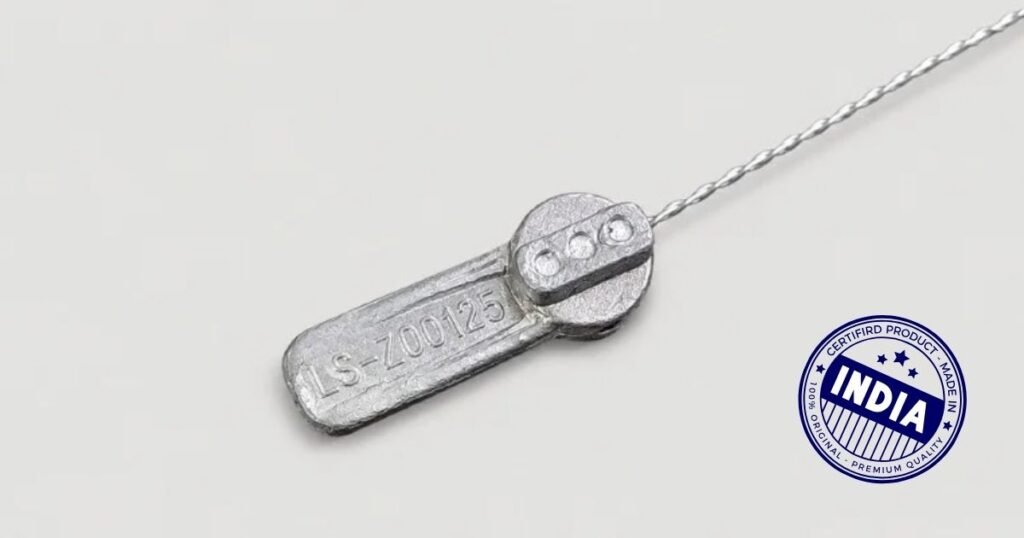
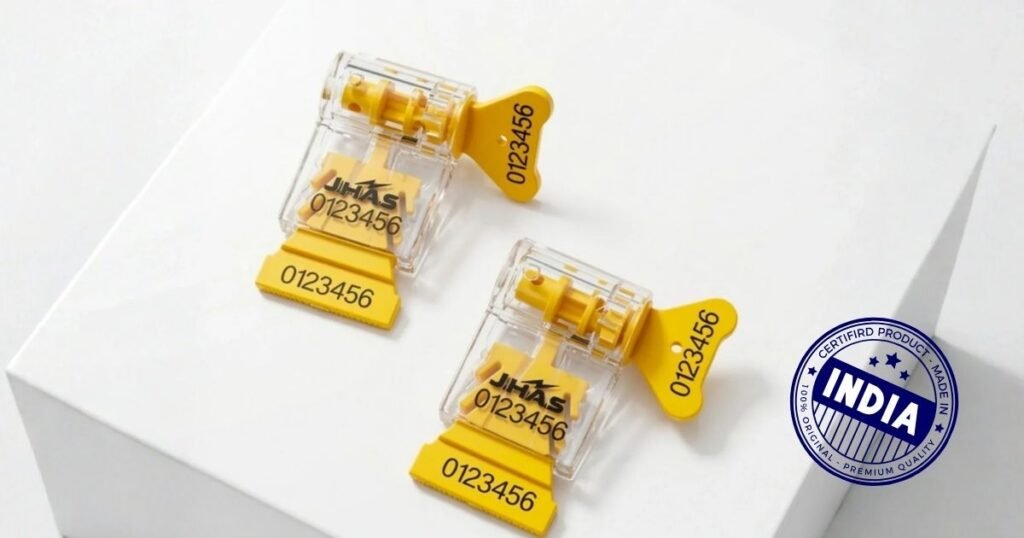
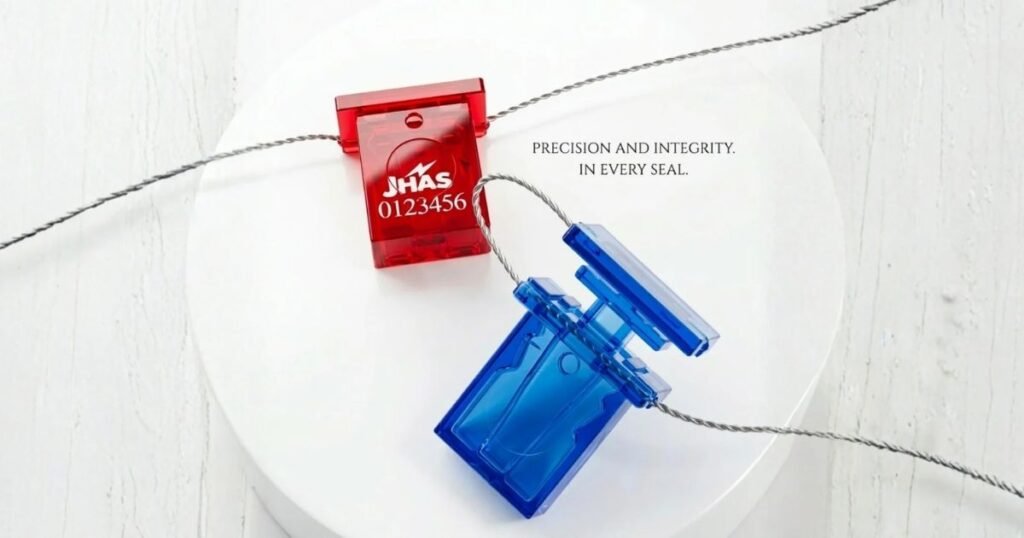
Two formats dominate this category. Wire seals thread a thin strand of galvanised steel, stainless steel, or copper through a hole in the meter cover and a fixed point on the housing, then crimp or twist a small metal or plastic body over both ends. Plastic seals, often a pull-tight or twist-lock design, do the same job without a separate wire, threading directly through the meter’s built-in mounting points. Wire seals tend to show up more in older meter designs and industrial installations where the sealing points are further apart. Plastic seals have become the default on newer residential meters because they install faster and cost less per unit at the volumes utilities need.
Why do utilities specify exact colors and print formats?
A single distribution company can be running seal replacement programs across several years and multiple contractors at once. Coloring by year or by contractor, combined with a laser-printed serial number and often the utility’s own logo, lets a field inspector tell at a glance whether a meter’s seal is current or overdue for replacement, without pulling up a database on-site. This is also where fraud detection gets specific. A seal with the wrong color for its claimed installation date, or a serial number that does not match the utility’s issued range, is often the first red flag in a tampering investigation, well before anyone examines the meter’s internals. Follow us JHAS Industries
Beyond electricity, gas, and water
Meter seals aren’t limited to utility meters in the strict sense. The same tamper-evident logic applies to circuit breaker panels, fuel dispenser calibration points, and industrial flow meters used in billing between two parties, anywhere a reading needs to be trusted by someone who was not physically present when it was taken. JHAS Industries
What a proper meter sealing visit actually looks like
A field technician installing or replacing a meter seal is not just closing a panel. The routine, done properly, includes recording the outgoing seal number if one is being removed, checking the meter reading against what was last logged, confirming there is no visible sign of internal tampering before resealing, then logging the new seal number against the meter’s asset ID before leaving the site. Skipping any one of those steps does not save meaningful time, but it does mean the next inspection has a gap in its record that is hard to explain later. This is also where color coding earns its cost. A technician who can tell at a glance that a meter is still running last year’s seal color, without pulling up a database on a handheld device, gets through a route faster and flags overdue meters more reliably than one relying on serial number lookups alone.
What to check before ordering meter seals in bulk
– Does the seal need to pass through an existing wire loop, or does the meter design allow a direct pull-tight application? – What print format does your utility’s audit process actually require: sequential numbers, a barcode, or both? – Will the seals sit outdoors year-round, and if so, has the plastic or wire been tested for UV and weather exposure over that period? – Does the batch need a specific color tied to a contractor, region, or installation year? Follow us JHAS Industries