Why thicker is not automatically better
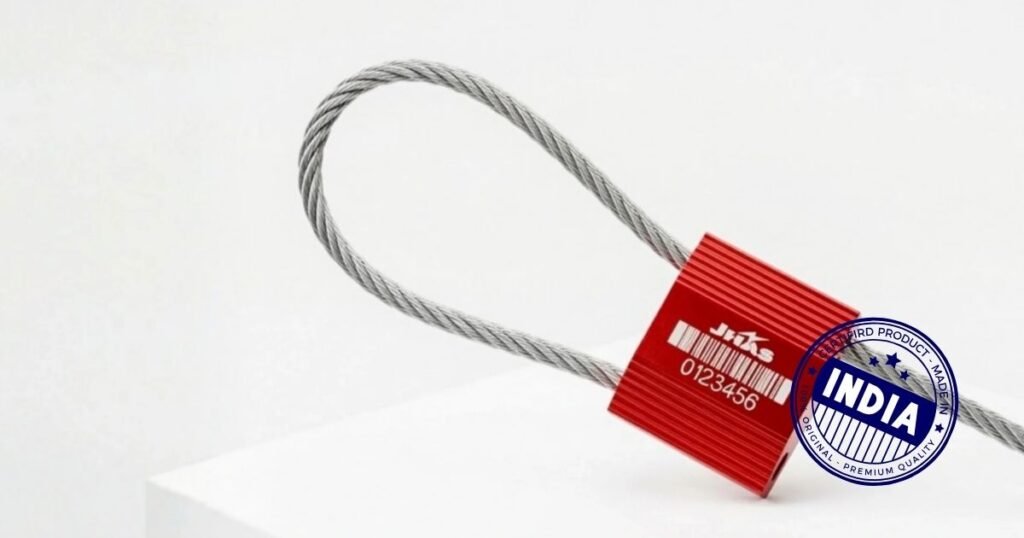
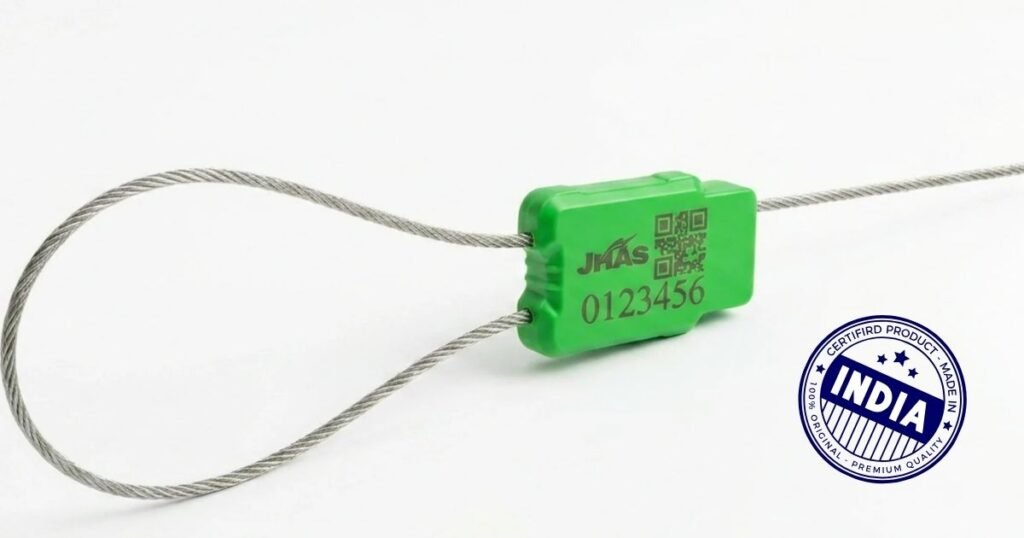
A thicker cable seals gauge generally offers greater cutting resistance, but it also needs to physically fit through the closure point it is meant to seal. Choosing the thickest available option without checking fit can result in a seal that is difficult or impossible to apply correctly. JHAS
Matching wire diameter to the closure point
Measuring the actual opening or fitting the seal needs to pass through a container door latch, a tanker valve, or a jumbo bag closure determines the practical upper limit on wire diameter for that specific application.
Balancing security level against application type
Higher-risk applications, high-value cargo, and government use and export shipments generally justify a thicker, more cutting-resistant wire gauge, while lower-risk internal applications may not require the same level of resistance. Follow us JHAS
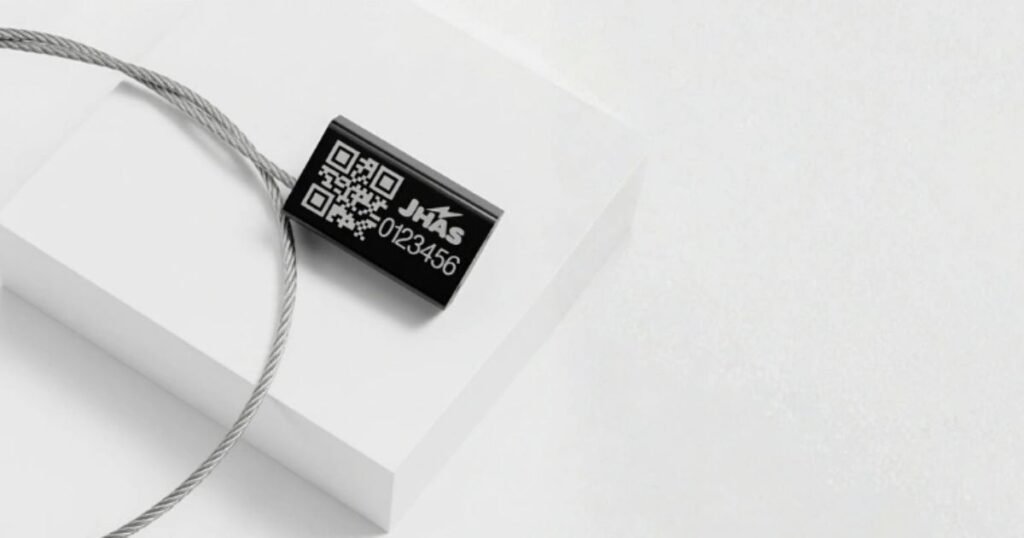
How wire construction affects flexibility
Beyond diameter, the specific stranding and construction of the wire rope affects how flexible or rigid the finished seal feels, which matters for how easily it threads through tighter or more awkwardly shaped closure points.
Considering climate and handling conditions
Extreme cold, heat, or repeated rough handling can affect wire performance differently depending on gauge and construction, making it worth factoring your specific operating environment into the gauge decision, not just the closure fit alone. JHAS
Why manufacturers offer multiple gauge options
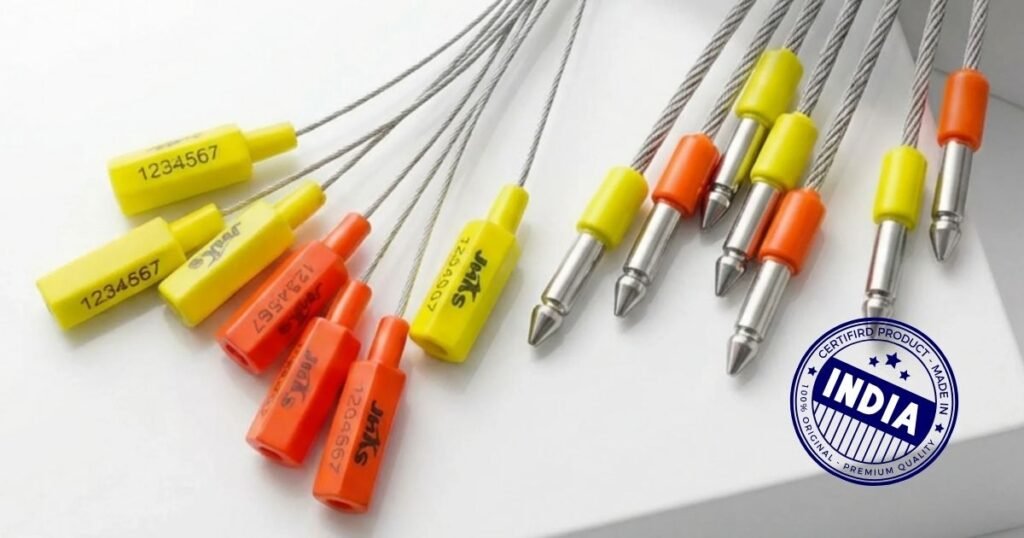
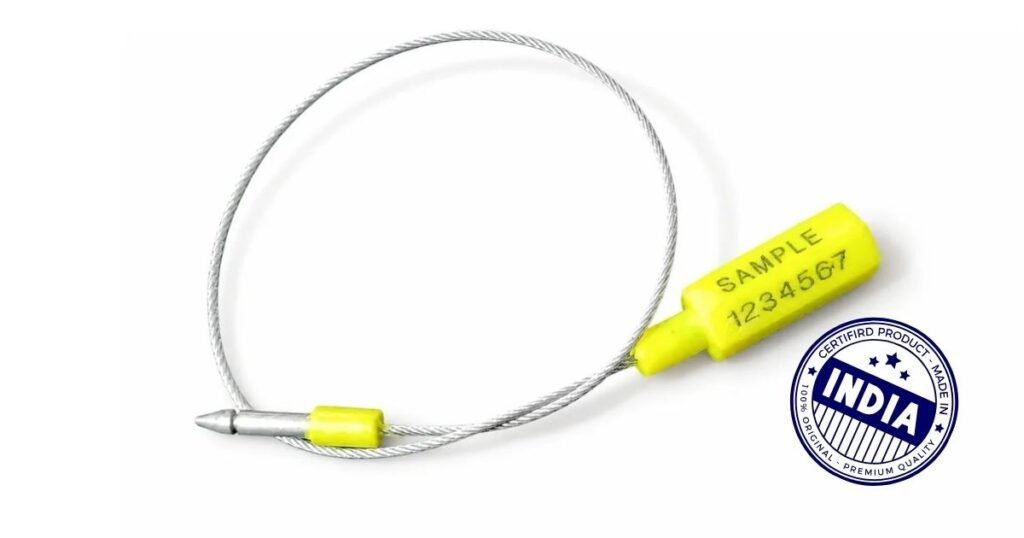
Jhas Industries produces wire rope cable seals across different gauge and diameter specifications precisely because no single option suits every application, letting buyers match the seal to their actual operational requirements.