Why customs authorities care about container seals
Customs and border authorities in many countries expect containers to arrive with an intact, verifiable seal matching what was recorded at origin, since an unsealed or mismatched seal raises immediate questions about what happened to the cargo in transit. JHAS
How wire rope cable seals fit this documentation chain
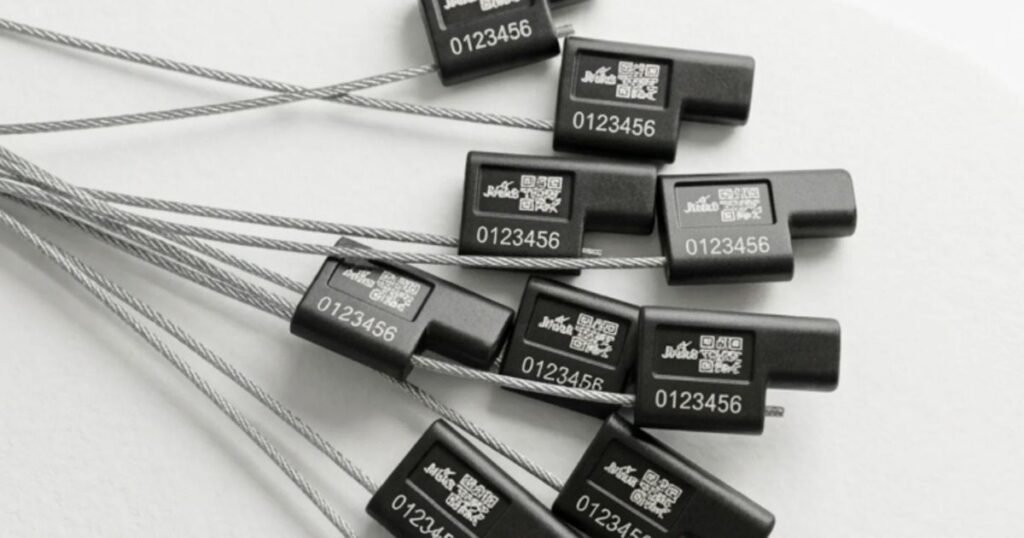
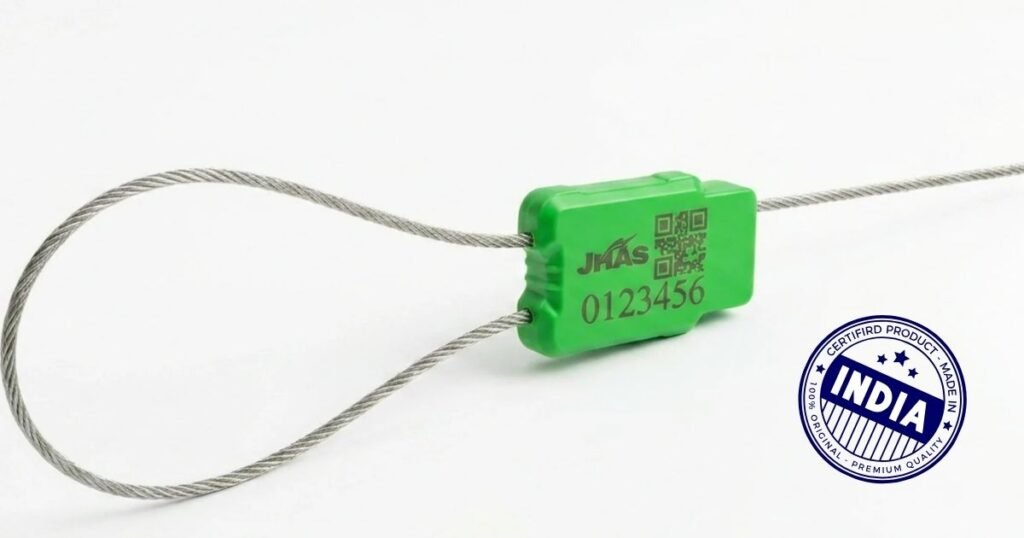
A metal wire rope cable seals a unique serial number, applied and recorded at the point of loading, becomes part of the shipping documentation trail, letting customs officials and receiving parties confirm the container was not opened between origin and destination. Follow us, JHAS
Why cutting resistance matters for this specific use
Export shipments can spend weeks in transit and pass through multiple handling points, so a wire rope cable seal’s resistance to cutting and manipulation matters more here than in lower-risk domestic applications.
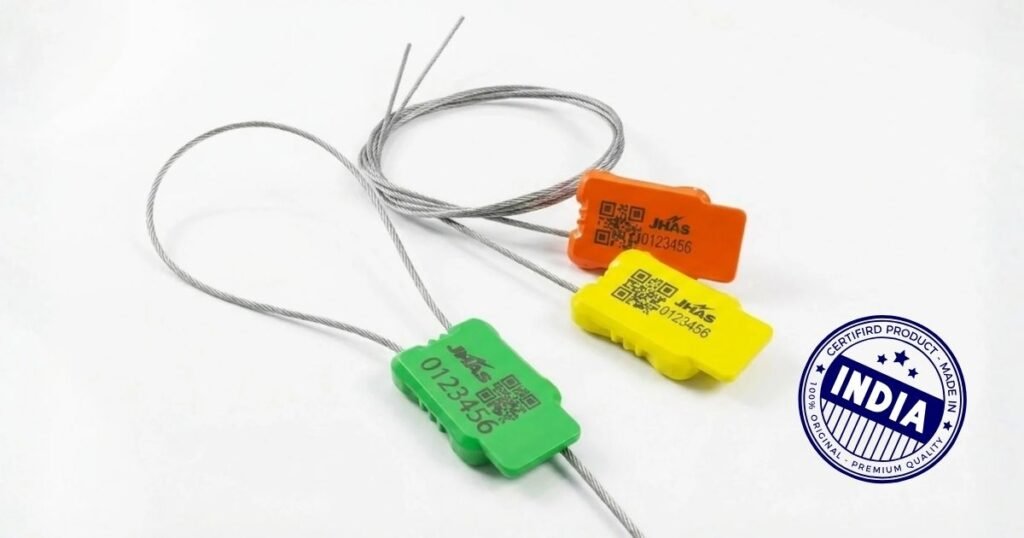
Serial number tracking and recordkeeping
Keeping accurate records of which serial number was applied to which container, and confirming that same number on arrival, is a manual but essential step exporters need to build into their standard process, not an optional add-on.
Choosing seals suited to your specific export lane
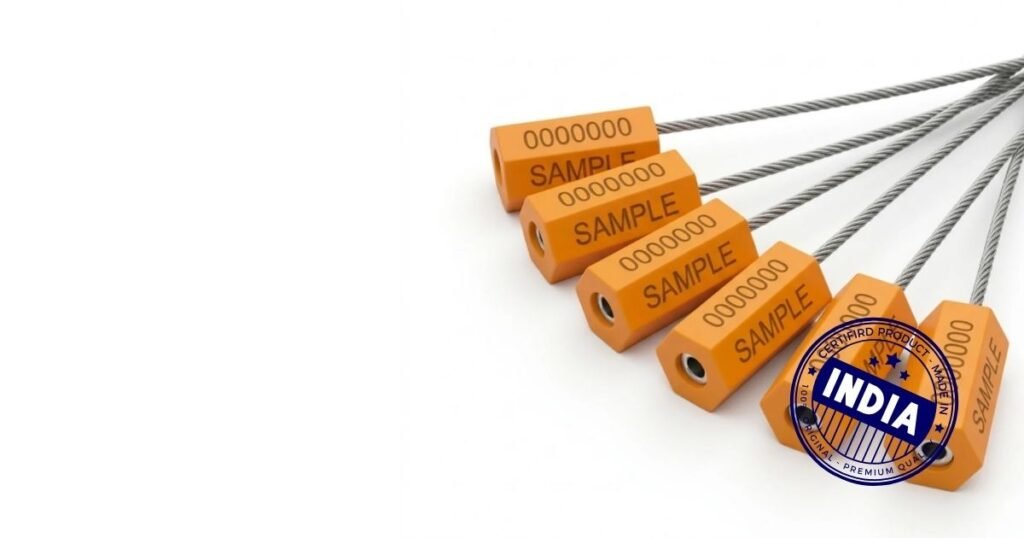
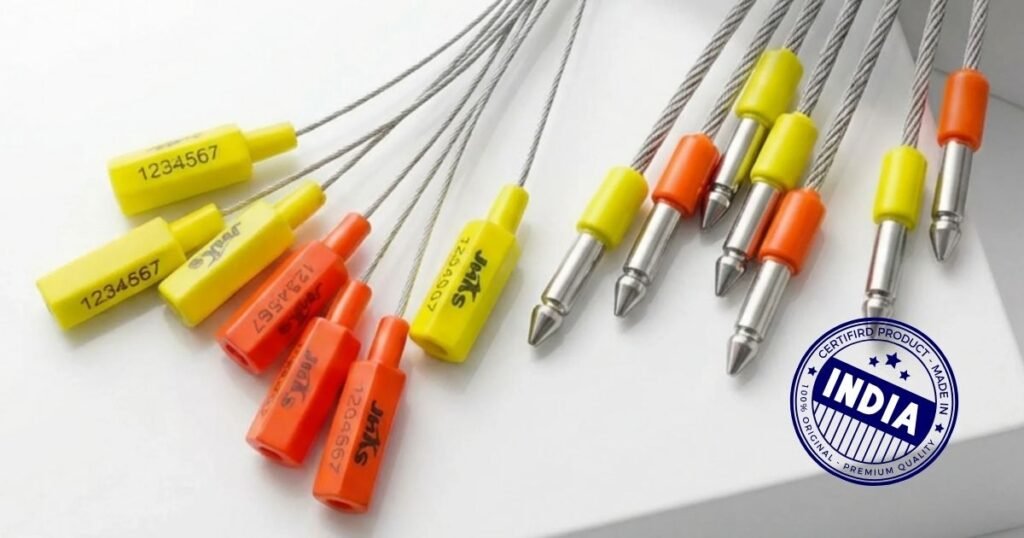
Different destinations and cargo types may call for different metal wire rope cable seals configurations, and working with a manufacturer that understands both the mechanical requirements and the documentation expectations of international shipping helps avoid compliance gaps. JHAS
Why sourcing from an established manufacturer matters here
For export compliance specifically, sourcing from a manufacturer with a long, verifiable track record supports confidence that the seals will be accepted and recognized across different customs environments.