Why tanker fittings demand a specific fit
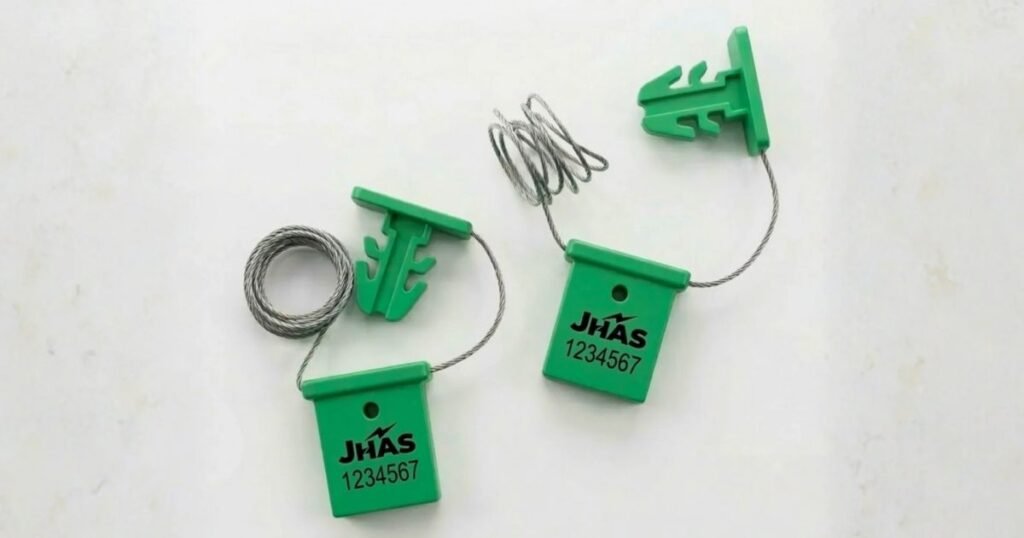
Tanker sealing points often have specific geometries, hatch covers, valve access points, and discharge outlets that do not always accommodate a generic seal housing well. A seal that fits loosely or awkwardly against a tanker’s specific fitting can create both a practical handling problem and a genuine security gap if the fit allows manipulation around the housing edge. JHAS Industries
Food-grade cargo, a distinct set of concerns
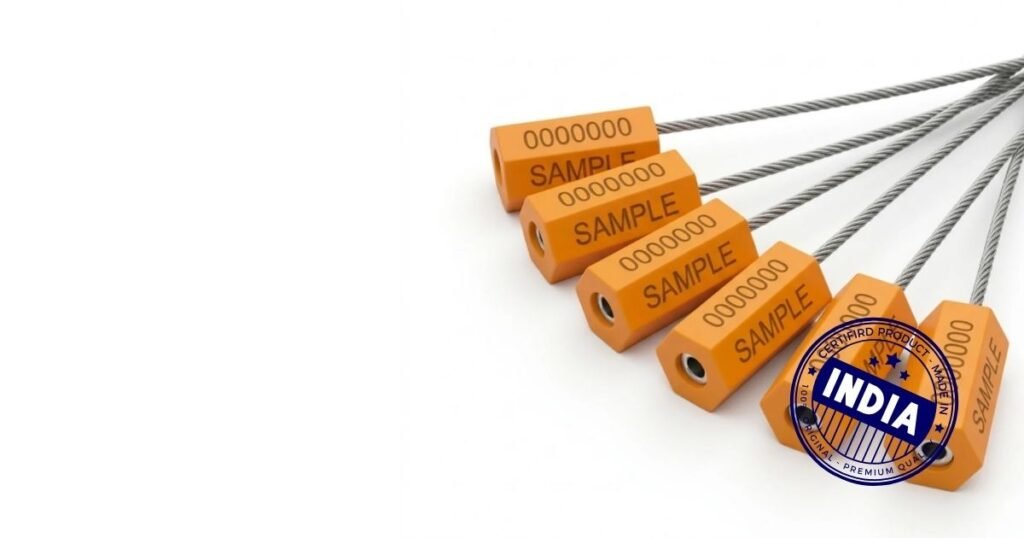
Edible oil and other food-grade liquid cargo carry adulteration risk beyond simple theft; unauthorized access during transit can mean contamination or substitution of the product itself, a food safety concern layered on top of the standard security concern. This is part of why Jhas Industries specifically notes its CL-HEX cable seal configuration for edible oil tanker applications.
Petroleum and chemical tanker considerations
Petroleum and chemical tankers introduce their own specific concerns; seals need to withstand potential exposure to residue from the cargo itself, along with the general outdoor exposure and handling stress typical of tanker transport routes, without the seal material degrading or becoming brittle over the transit period. Follow us JHAS Industries
Multiple sealing points on a single tanker
A single tanker often has more than one point requiring sealing, hatch covers, and discharge valves, sometimes multiple compartments on larger tankers, each needing its own seal with its own serial number logged and verified at pickup and delivery, a detail worth building into standard operating procedures for tanker fleets. JHAS Industries
Durability across long-haul routes
Tanker routes frequently cover significant distances, exposing the seal to extended periods of vibration, temperature change, and weather exposure. A cable seal’s steel construction generally holds up well to these conditions, but confirming the specific seal has been tested or proven under similar long-haul conditions is worth doing before standardizing across a fleet.
Coordinating with loading and unloading procedures
Tanker sealing needs to integrate cleanly with loading and unloading procedures at both ends of a route, seals applied immediately after loading is complete and verified before any unloading begins, with clear documentation connecting each seal’s serial number to the specific load it protected. Follow us JHAS Industries