The specific vulnerability of long supply chains
Unlike a single-leg delivery where a seal only needs to survive one handling event, international and long-distance domestic shipping exposes a container to multiple transfer points over days or weeks, multiplying both the opportunity for tampering and the importance of a seal that genuinely resists cutting or forcing attempts throughout that entire journey. JHAS Industries
Why plastic seals fall short on high-value or high-risk cargo
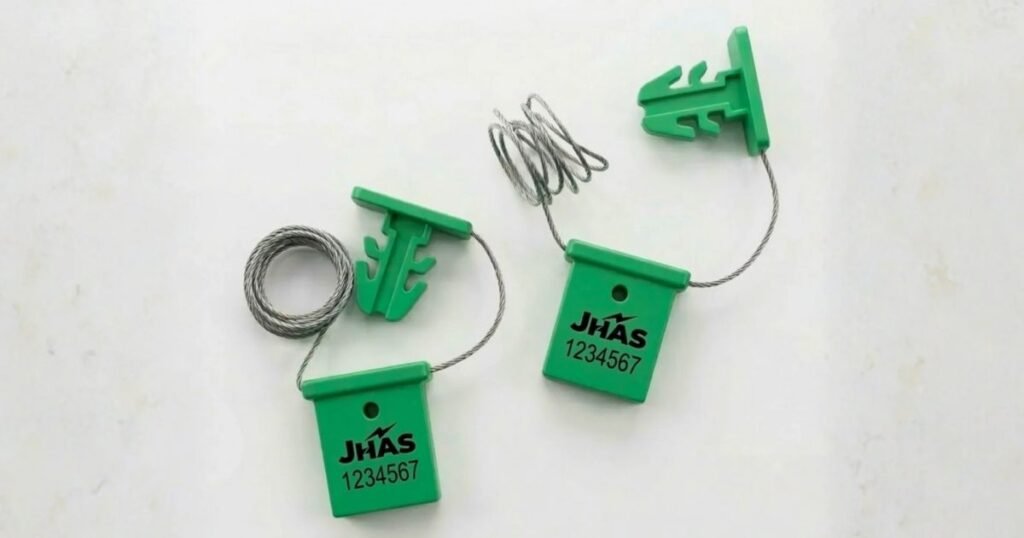
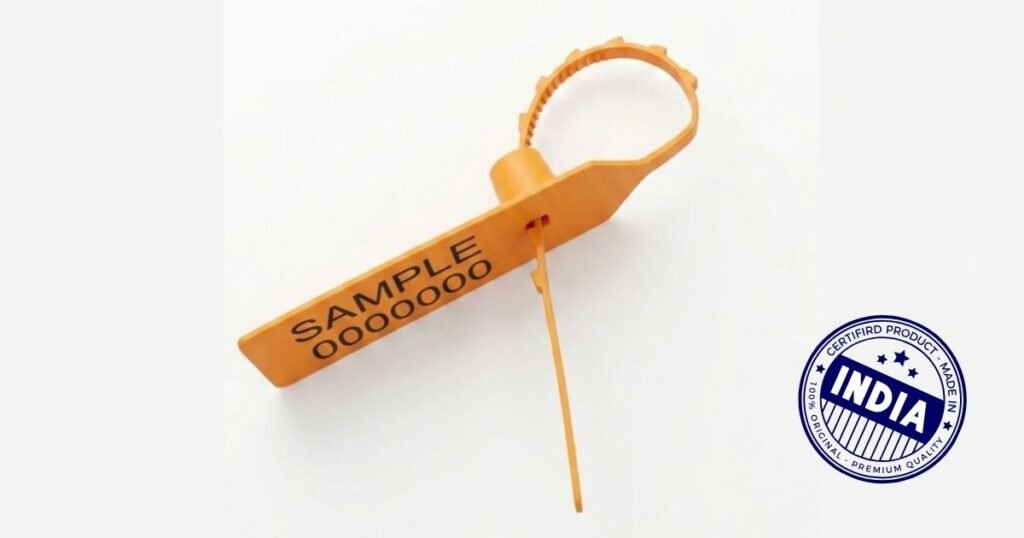
A plastic seal, however well designed, can typically be cut with basic tools available almost anywhere, a pocket knife, or ordinary scissors in some cases. For low-value or low-risk cargo this may be an acceptable tradeoff for lower cost, but for high-value goods or routes with documented pilferage history, this level of resistance is genuinely insufficient.
What braided steel cable actually adds
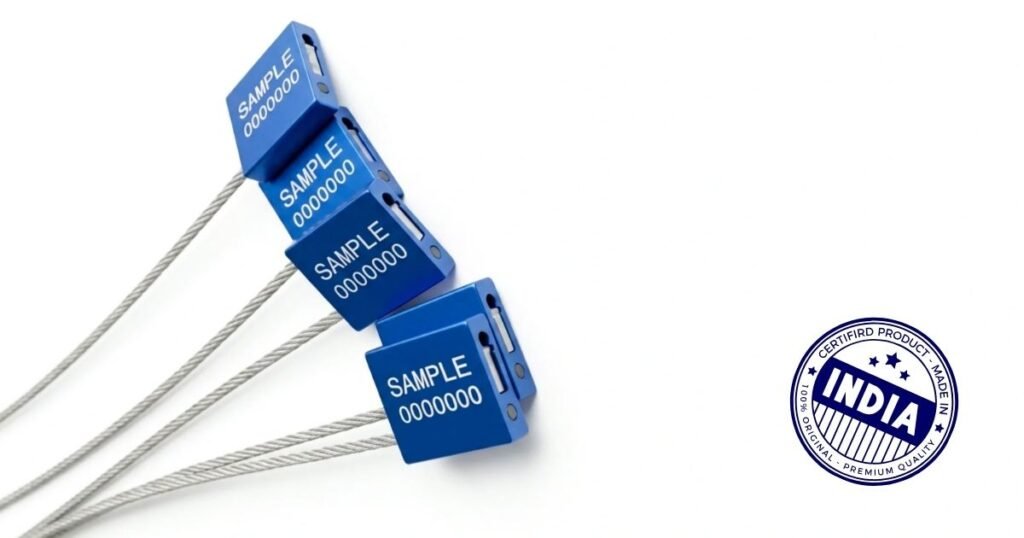
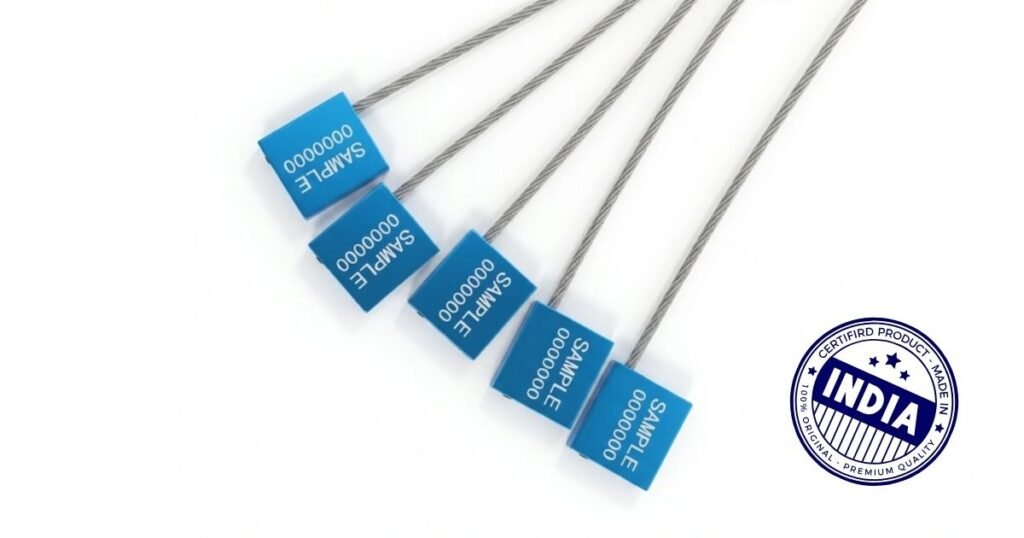
A metal wire rope cable seal requires purpose-built cutting tools, typically bolt cutters or similar heavy equipment, to defeat, tools that are not casually carried and whose use at a legitimate handling point would itself draw attention. This meaningfully raises the bar for opportunistic tampering compared to a plastic alternative. Follow us JHAS Industries
Customs and regulatory considerations
Certain shipping routes, cargo types, or destination countries have specific regulatory requirements around container sealing methods, sometimes explicitly requiring a cable-type high-security seal rather than a standard plastic bolt or strip seal, a compliance detail worth confirming before shipment for any route with unfamiliar regulatory requirements. JHAS Industries
Verification protocols along the route
A Need Cable Seals serial number should be checked and logged at each major handling point along the route, not just at origin and final destination, since verification only at the endpoints leaves the entire transit period unmonitored for potential tampering at intermediate stops.
Weighing cost against actual cargo risk
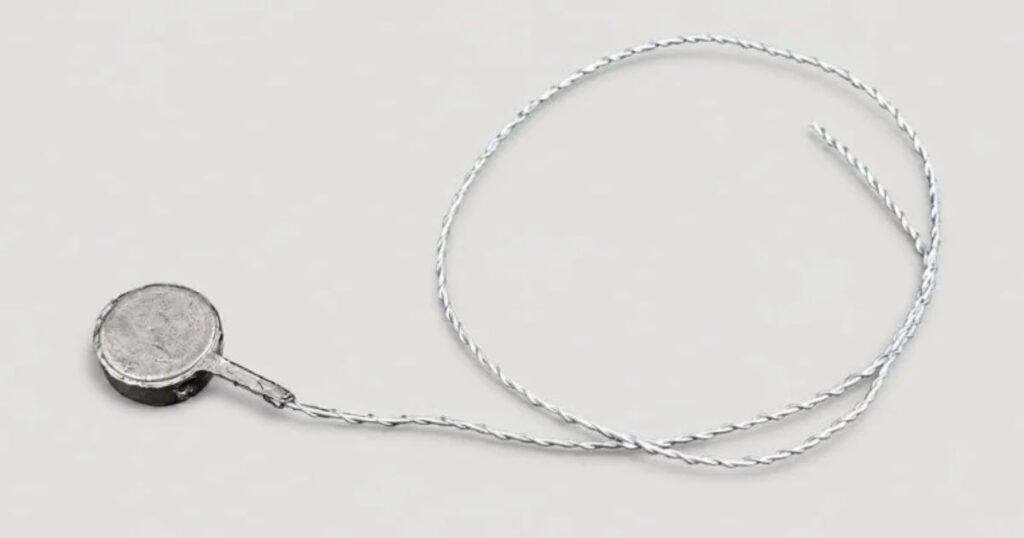
Cable seals cost more per unit than basic plastic alternatives, a cost that is genuinely worth it for high-value cargo or high-risk routes but potentially unnecessary for low-value, low-risk domestic shipments where a standard plastic seal provides adequate protection at a lower cost. Follow us JHAS Industries