Why rail freight has its own sealing considerations
nlike a truck or delivery vehicle that stays under fairly continuous observation, a railway wagon can sit in transit or at a marshalling yard unattended for hours or days, creating a longer window during which tampering could occur undetected without a reliable, verifiable seal in place. JHAS Industries
Fitting existing hasp hardware
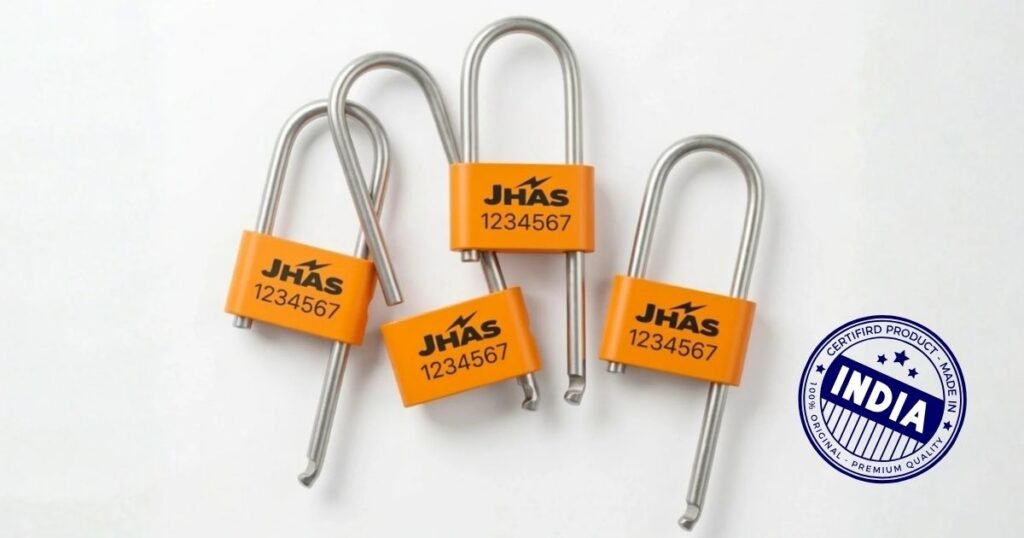
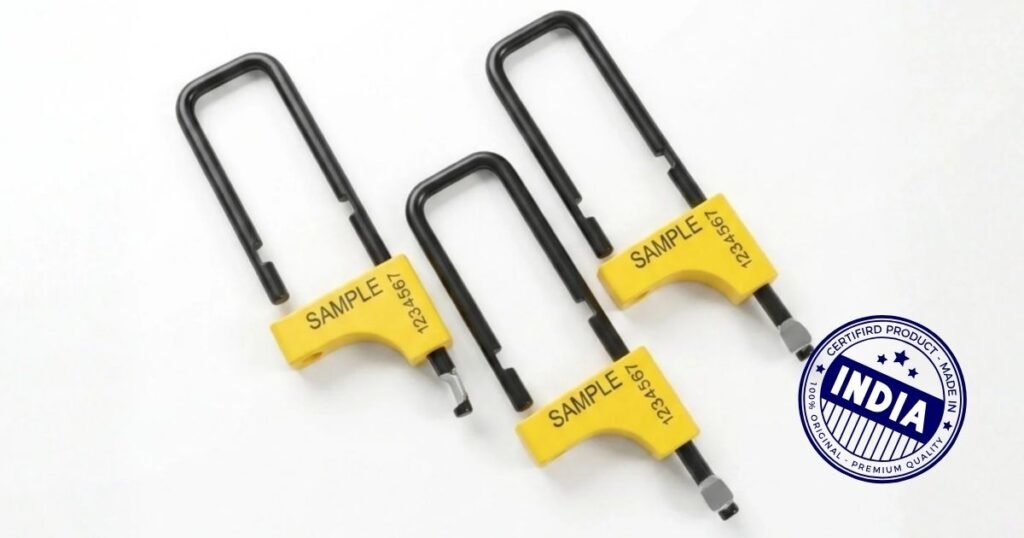
Most railway wagon doors use a hasp-style closure that was historically secured with a traditional padlock. Pad lock seals like the Jhas PL-101 fit this existing hardware directly, letting rail operators upgrade from reusable padlock security to tamper-evident single-use sealing without modifying wagon hardware across an entire fleet.
Verification at yard and destination checkpoints
Rail freight operations typically involve multiple yard stops and handoffs between different operators or rail networks along a route, each an opportunity to verify a wagon’s seal is intact and matches shipping documentation before the wagon continues its journey. Follow us JHAS Industries
Weather exposure across long routes
Railway wagons face extended outdoor exposure across potentially long routes and variable weather conditions, making seal durability, resistance to temperature extremes, humidity, and general weathering a genuine practical consideration for rail freight applications specifically. JHAS Industries
Bulk procurement for rail fleets
Rail freight operators managing large wagon fleets need seals in significant volume with consistent quality and reliable ongoing supply, since a supply gap directly affects the operator’s ability to seal and dispatch wagons on schedule.
Coordinating with multiple rail operators
For freight moving across networks operated by Pad Lock Seals different rail companies, consistent sealing standards and verification procedures across operators help maintain a genuine, unbroken chain of custody throughout the full route, rather than each operator applying different, incompatible standards.