Single-strand versus braided construction
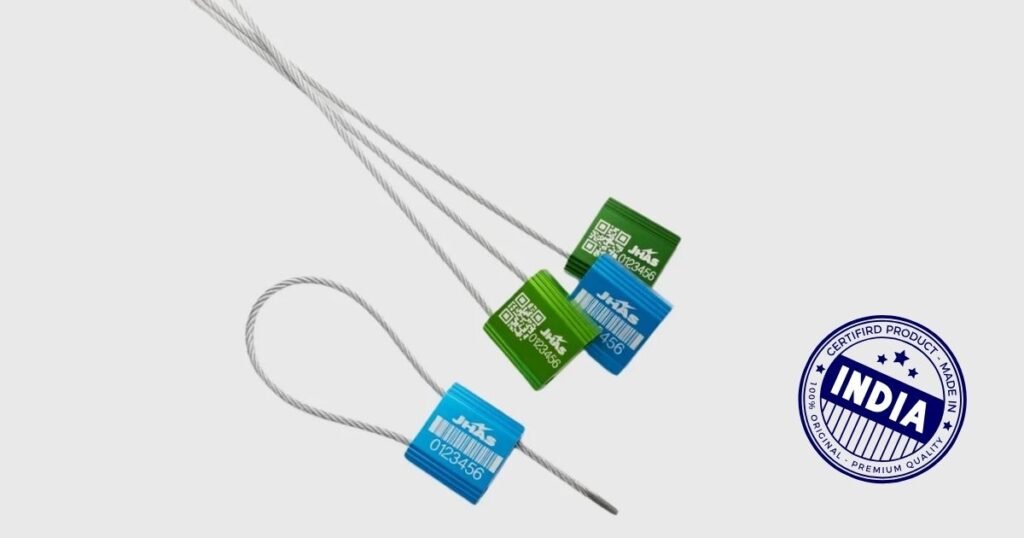
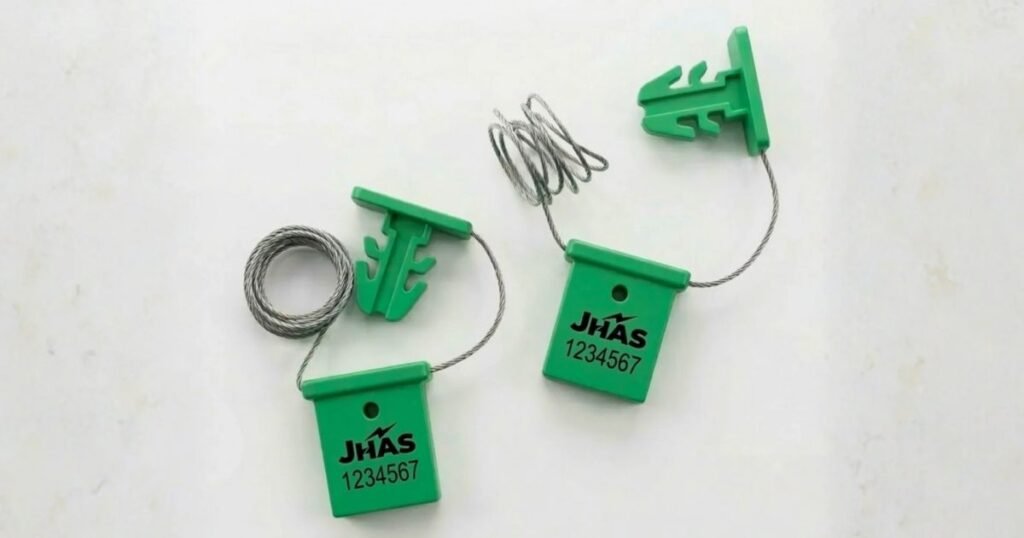
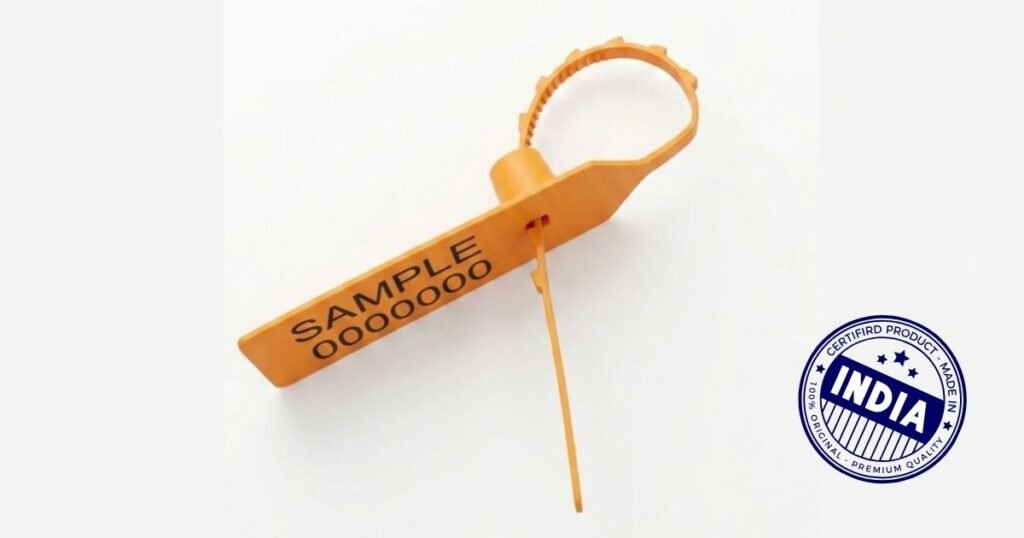
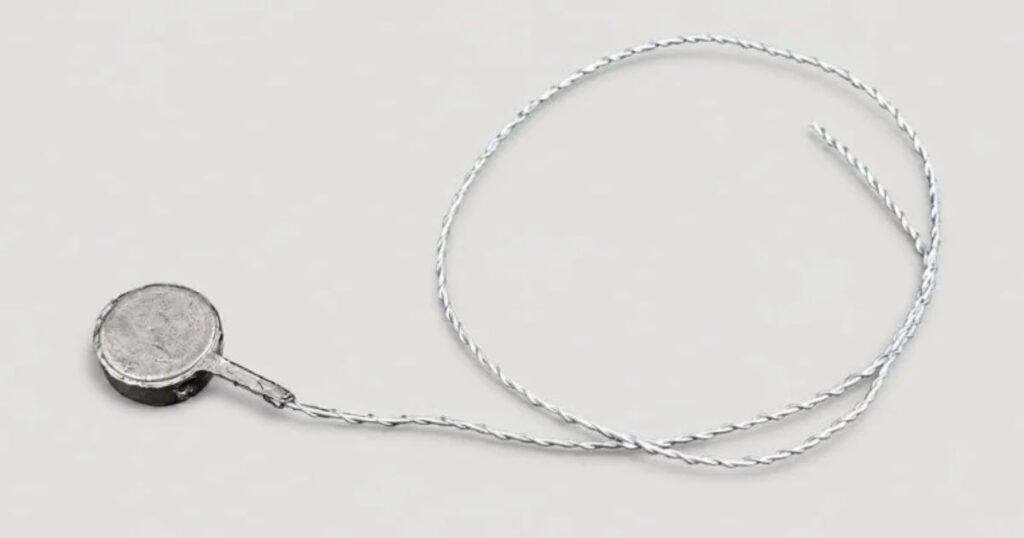
A basic wire seal uses a single strand of wire, which, once located, can typically be cut with a single action from a moderately capable cutting tool. A wire rope, by contrast, is constructed from multiple thinner steel strands twisted together into a single cable, meaning a cutting tool needs to sever every individual strand for the cable to actually separate. JHAS Industries
Why multiple strands matter mechanically
Cutting through several twisted strands simultaneously requires considerably more force and a more capable tool than cutting a single strand of comparable overall diameter, since the twisted construction distributes load across the strands rather than concentrating it at one clean point a blade can exploit easily.
Strand count and diameter as specification factors
Different wire rope cable seals vary in strand count and overall cable diameter, both of which affect cutting resistance directly. A cable with more, finer strands generally resists cutting better than one with fewer, thicker strands of the same overall diameter, a detail worth discussing with your supplier if cutting resistance is a primary concern for your specific application. Follow us JHAS Industries
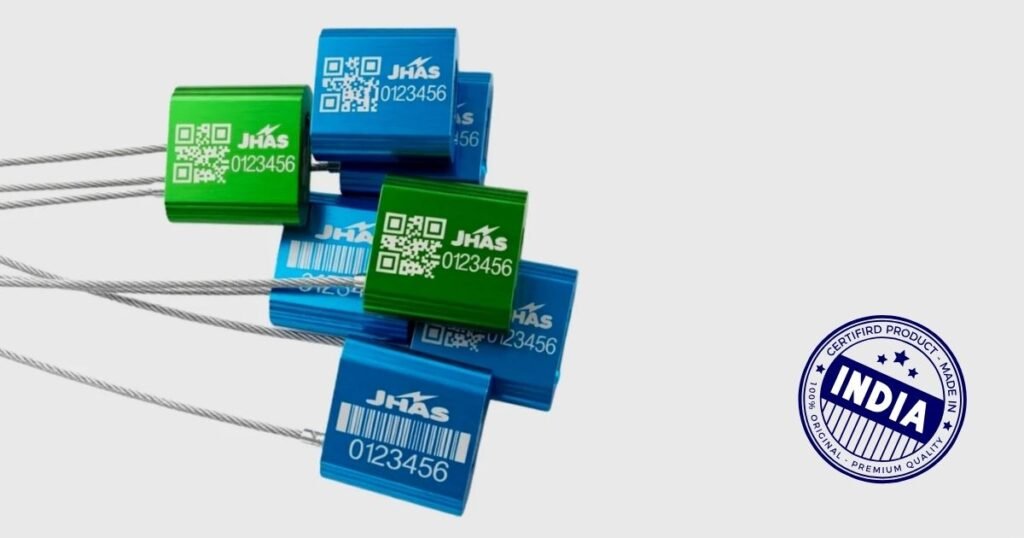
What kind of tools are it takes to defeat a cable seal?
Genuinely defeating a quality wire rope cable seal typically requires dedicated bolt cutters or similar heavy cutting equipment, tools that are not casually carried and whose visible use at a legitimate handling point would itself likely draw attention, which is a meaningful part of the seal’s real-world deterrent value beyond its pure mechanical resistance. JHAS Industries
Corrosion resistance alongside cutting resistance
Steel cable construction also needs to resist corrosion over the seal’s expected field exposure period, since a corroded cable can weaken meaningfully even without any deliberate tampering attempt. Galvanized or stainless steel cable options address this concern differently depending on the specific environmental exposure expected.
Housing strength matters just as much as cable strength
A strong cable paired with a weak or poorly designed housing still leaves a vulnerability, since tampering attempts sometimes target the housing rather than the cable itself. Quality wire rope cable seals need both components engineered to a matched security standard.