Construction differences that matter
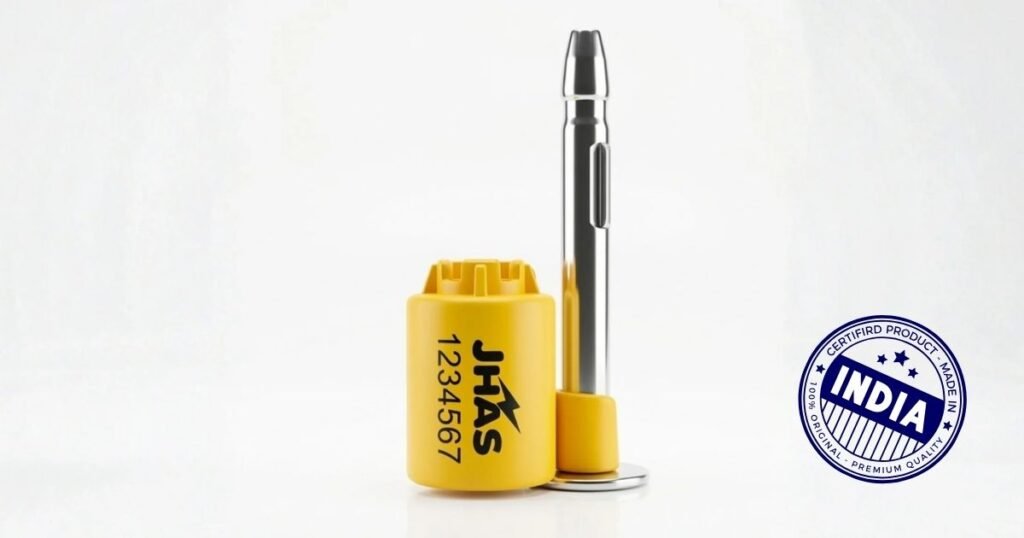
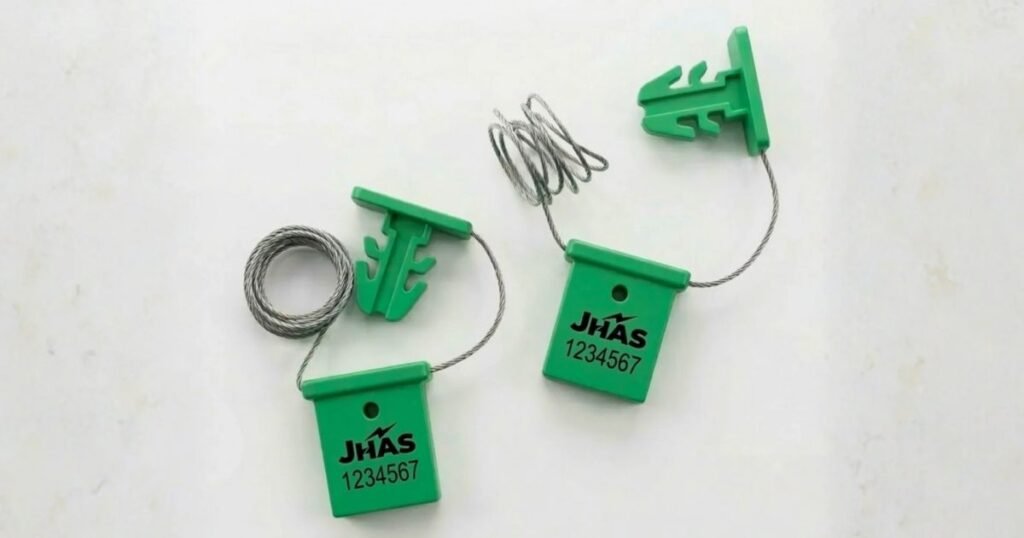
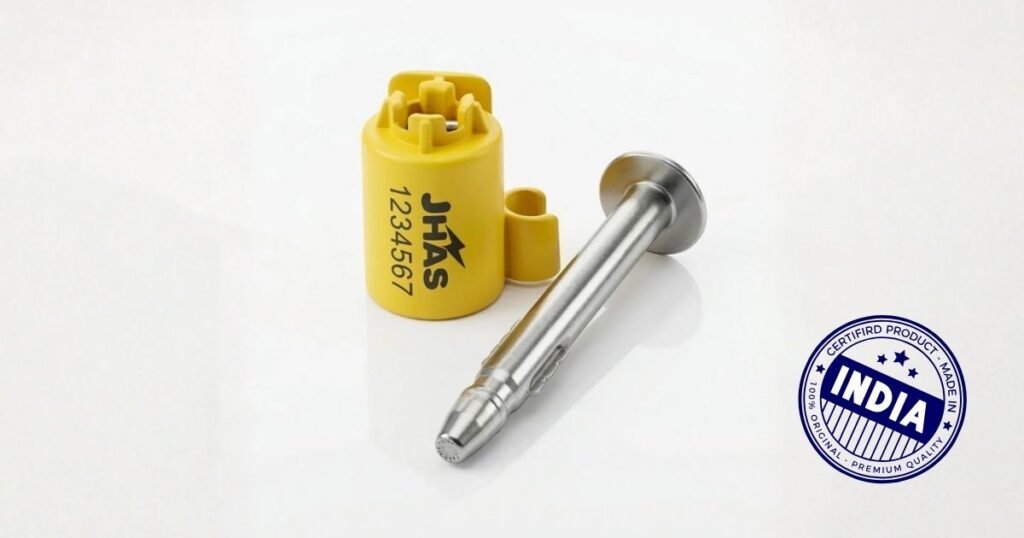
A bolt seal uses a rigid metal pin locked into a housing, while a cable seal uses a flexible braided steel cable locked into a similar housing. This flexibility difference affects both installation and the range of closure points each seal type can accommodate. JHAS Industries
Where rigidity is an advantage
A bolt seal’s rigid pin construction suits standard Container Bolt Seals locking mechanisms well, where the closure point geometry is fairly consistent and standardized across most shipping containers, making bolt seals the more common default choice for general container shipping.
Where flexibility is an advantage
A cable seal’s flexible cable can accommodate less standardized or irregular closure points, jumbo bags, certain tanker fittings, vehicle latches with varied geometries, and situations where a rigid bolt pin would not fit as cleanly, making cable seals the better choice for these less standardized applications. Follow us JHAS Industries
Security level comparison
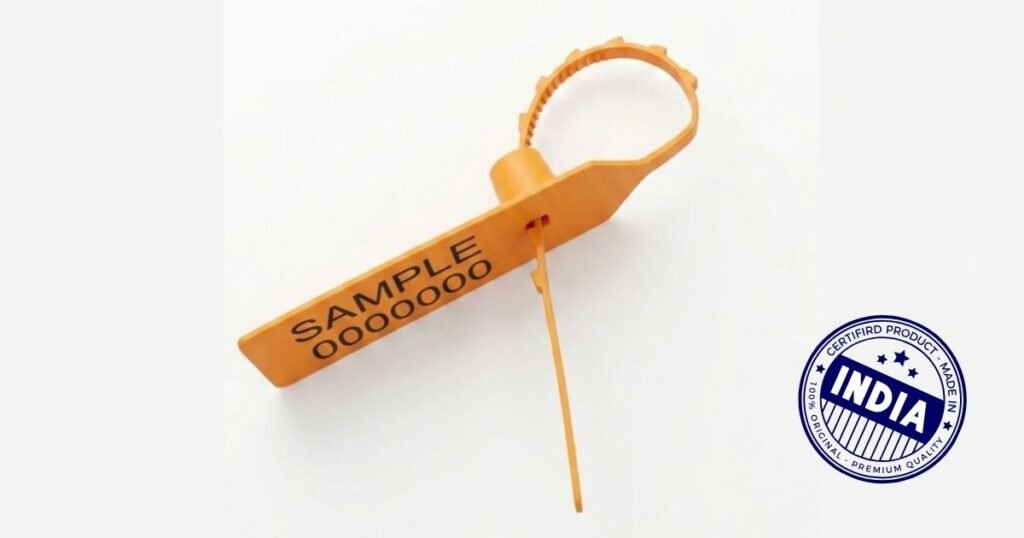
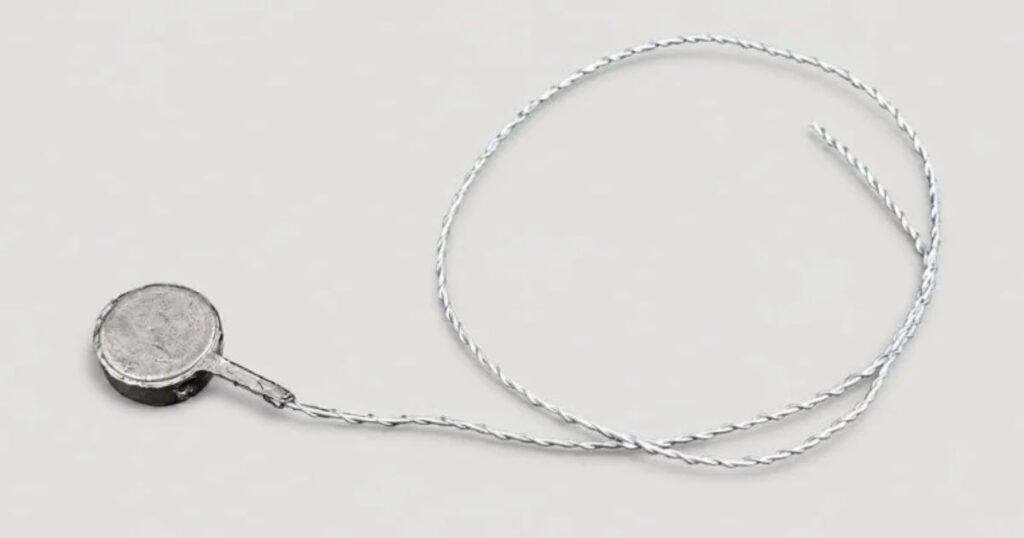
Both seal types offer meaningfully higher tamper resistance than plastic strip or wire seals, and the practical security difference between a quality bolt seal and a quality cable seal is generally minor, both require dedicated cutting tools to defeat, making the choice more about application fit than security level alone. JHAS Industries
Cost considerations
Bolt seals and cable seals are typically similar in cost, with variation depending more on specific manufacturing quality and any customization than on the fundamental construction type itself.
Regulatory and customer requirements
Some shipping lines, customs authorities, or specific customers may have an explicit preference or requirement for one seal type over the other, worth confirming before finalizing your sealing approach for a specific route or customer relationship.