What makes a bolt seal different?
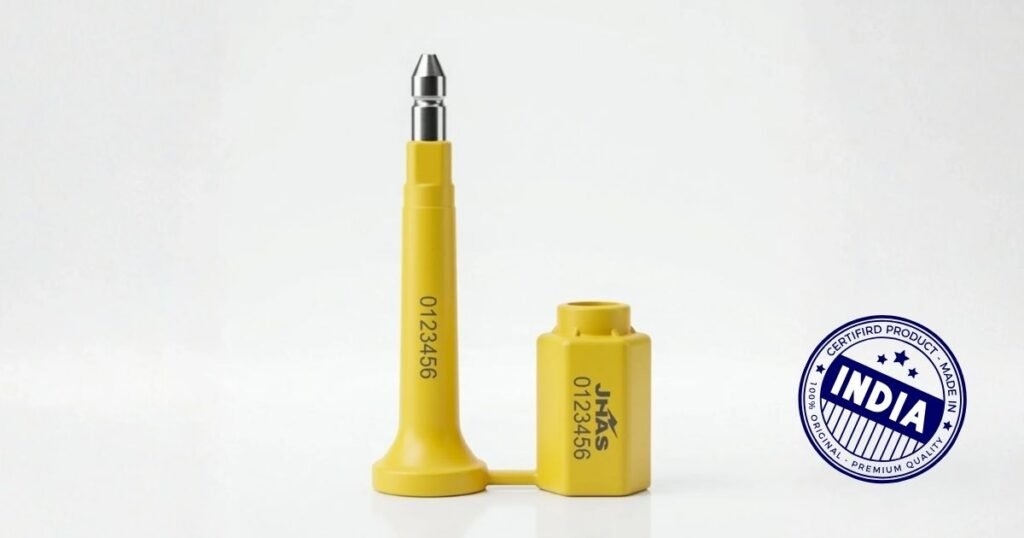
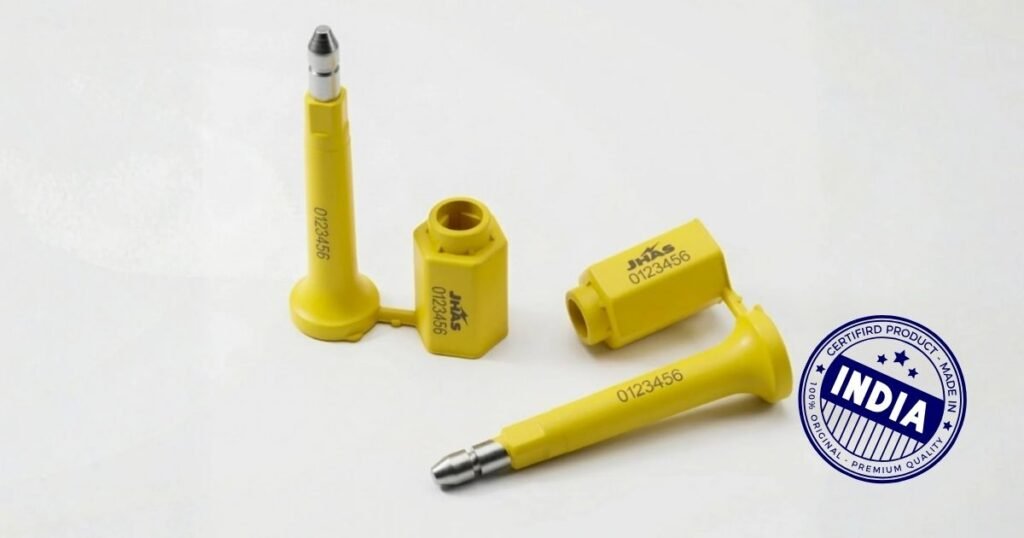
A bolt seal consists of a metal bolt-shaped pin that inserts through the container bolt seals locking mechanism and locks into a separate metal housing, requiring bolt cutters or specialized cutting equipment to defeat. This construction provides meaningfully higher resistance to forced tampering than plastic strip or wire seals. JHAS Industries
Recognition under international shipping standards
Bolt seals are widely recognized under international container security standards as a high-security seal category, distinct from lower-security indicative or plastic seal types. Many shipping lines, customs authorities, and importers specifically require a high-security bolt seal for container cargo, particularly for international routes.
Construction that resists common tampering methods
The solid metal pin and housing construction of a bolt seal is specifically designed to resist cutting with common hand tools, freezing and shattering attempts, and other methods sometimes used against lower-security seal types, making it a genuine deterrent rather than a purely symbolic barrier. Follow us at JHAS Industries
Serial numbering and chain of custody
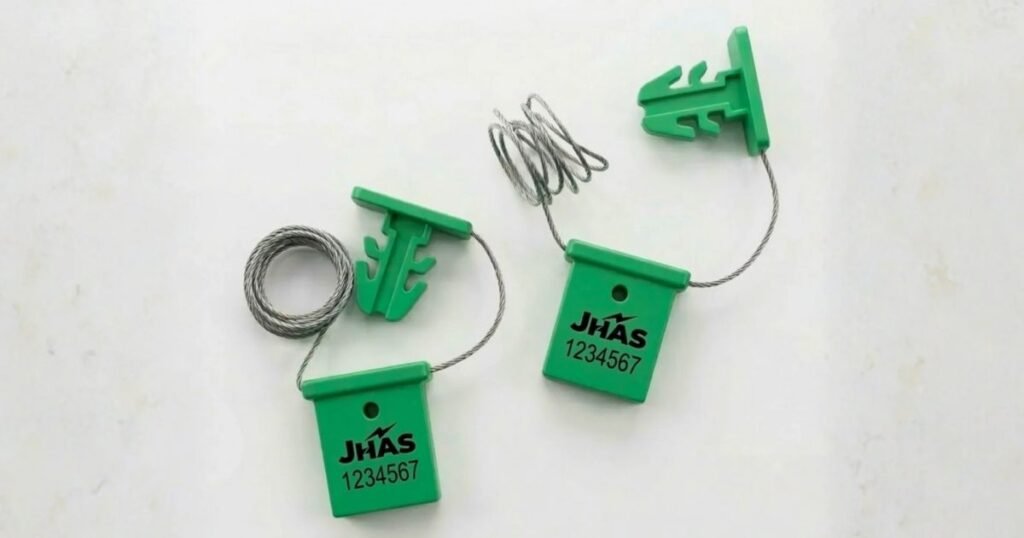
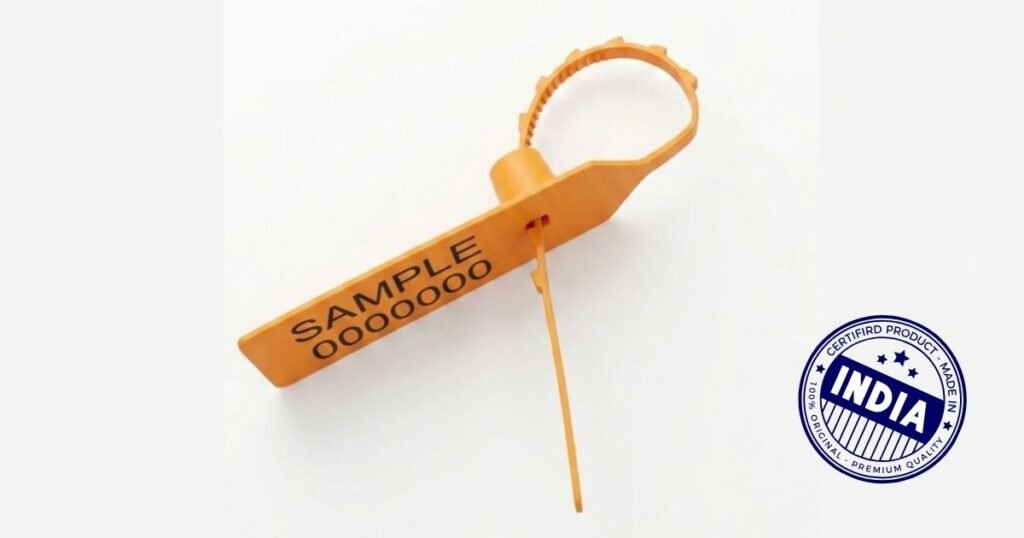
Like other security seals, bolt seals carry unique serial numbers that should be logged against shipping documentation and verified at each major handling point, port departure, customs clearance, and final delivery, creating a documented chain of custody throughout the container’s journey. JHAS Industries
Installation and verification
Applying a bolt seal requires inserting the pin fully through the container door locking mechanism and confirming a secure lock engagement, with a straightforward visual check afterward; an intact pin and housing confirm the seal has not been tampered with during transit.
Choosing bolt seals for your shipping operation
For any operation regularly shipping containers internationally or on high-value domestic routes, bolt seals represent the practical baseline security standard, worth adopting even where not explicitly mandated by a specific customer or regulatory requirement.